




Enterprise Server
Enterprise applications and databases
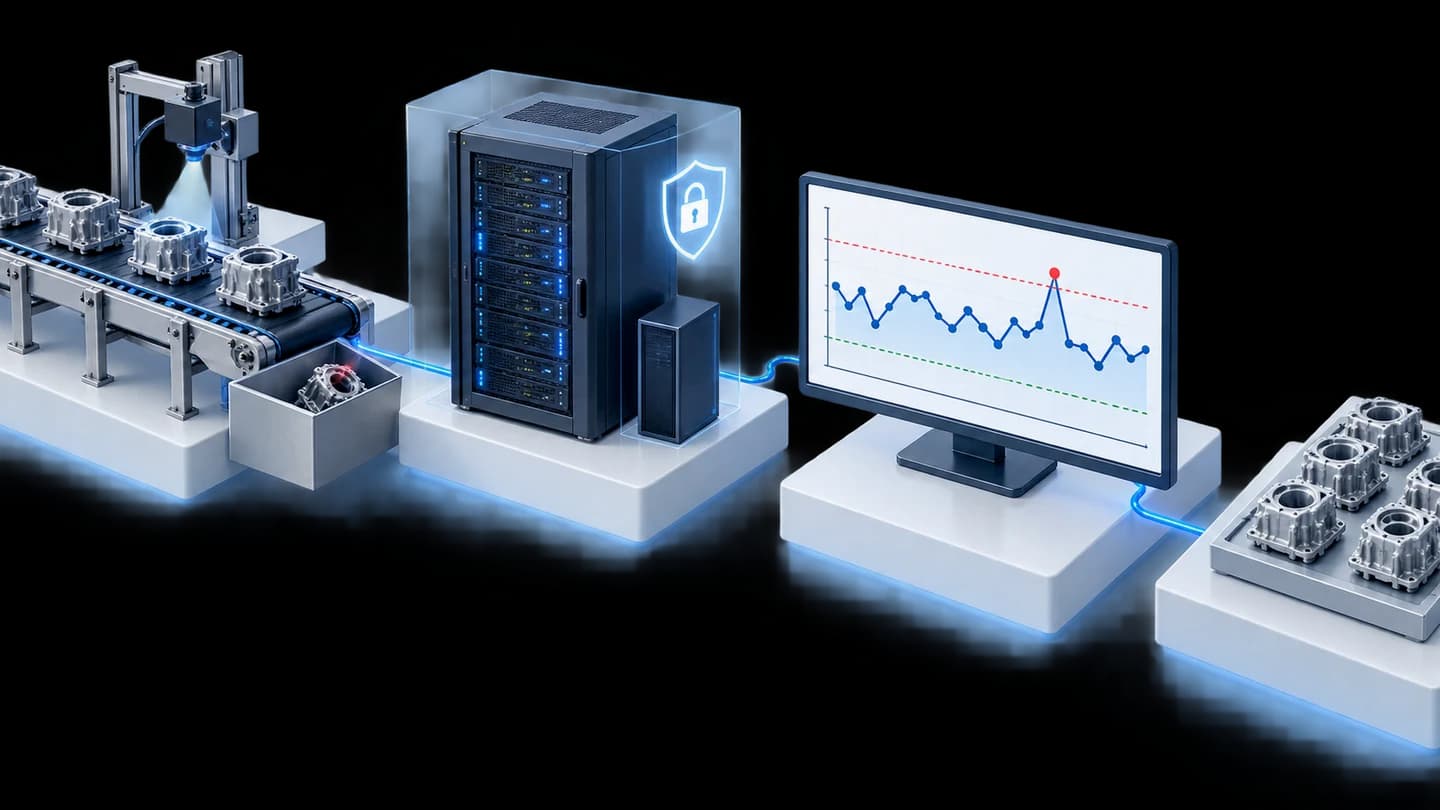
Supply and deploy servers for applications, databases and virtualisation, assessing CPU, RAM, storage and connections to existing systems.
MODERN DATA · ENTERPRISE DATA & AI
Connect data spread across different systems, manage its quality and access, then use it for reporting, knowledge retrieval and AI based on your organisation’s needs.

01 / DATA JOURNEY
Understand the system in 4 steps, each with a clear purpose. Start with the data you already have and connect only what the task requires.
Databases, documents, CSV files and APIs from existing systems
Start with your organisation’s dataUse nimitFlow to connect data and organise its transfer according to the designed workflow.
Know where the data comes fromOrganise raw, checked and ready-to-use data in a Data Lakehouse.
Give each layer a distinct roleUse prepared data for dashboards, knowledge retrieval or further analysis.
Answer business questions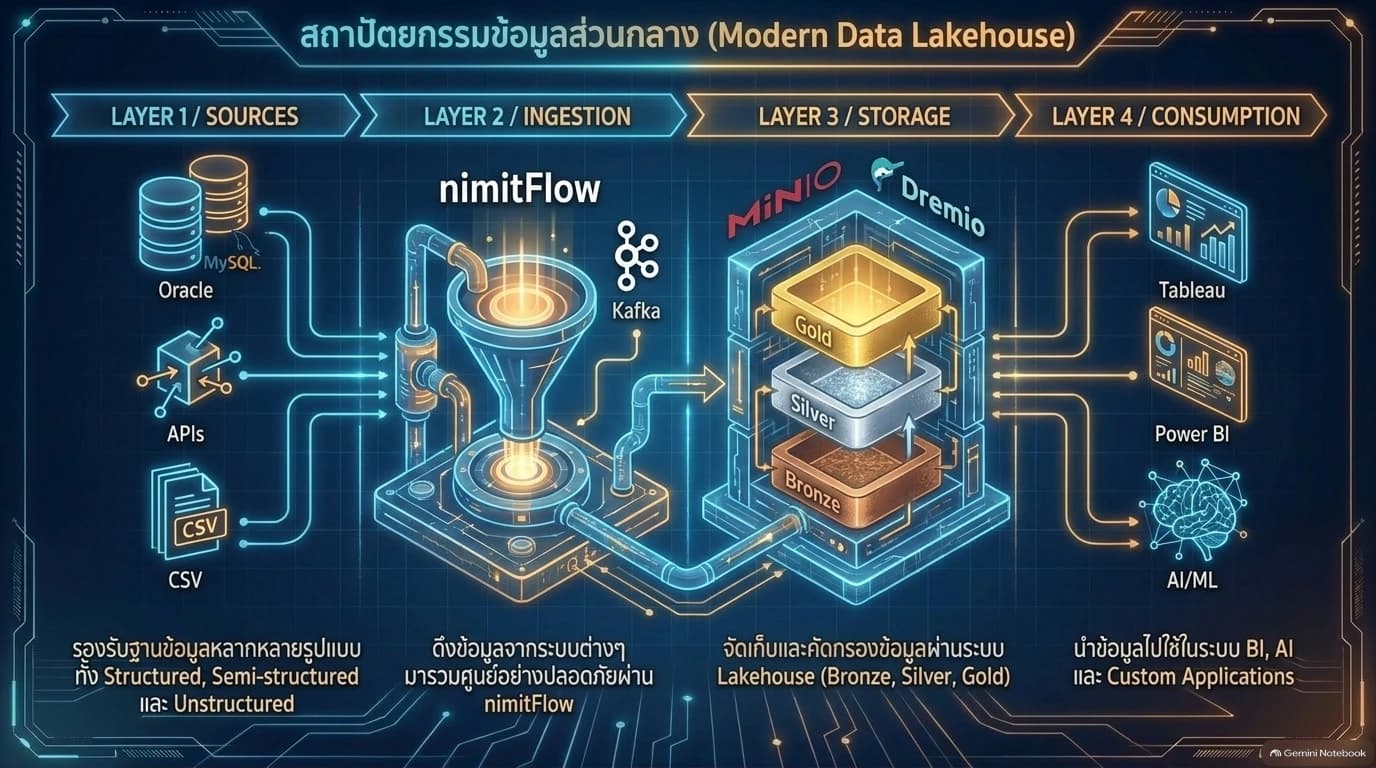
Store incoming data so it can be checked against its source.
Standardise formats and check quality before the data is shared for use.
Prepare data for reports, metrics or analytical tasks.
SERVER · DATA LAKE · AI WORKSTATION
Select hardware for the workload, together with storage, network and software design—from enterprise servers and Data Lakes to AI servers and workstations for development teams.


Enterprise applications and databases
Supply and deploy servers for applications, databases and virtualisation, assessing CPU, RAM, storage and connections to existing systems.
Consolidate and prepare data from multiple sources
Design storage, data transfer and processing, with backup and expansion plans. Connect to nimitFlow and data tools according to the scope of work.
Serve models to users or multiple systems
Assess GPU and VRAM requirements based on the model, concurrent users and inference or training workloads, including power, networking and cooling.
A working machine for developers and engineers
Select a workstation for data preparation, model experiments and local AI development, considering GPU, RAM, storage and the software actually used.
Tell us the workload or AI model, data volume, concurrent users, existing systems, installation site and budget so we can assess specifications and plan deployment together.
Request a specification assessment and quotationPricing, available models, software licences, warranty and post-handover services are specified separately in each project quotation.
02 / DATA GOVERNANCE
Plan people, rules and the data lifecycle alongside the system so teams can find data, understand it consistently and know who is responsible.
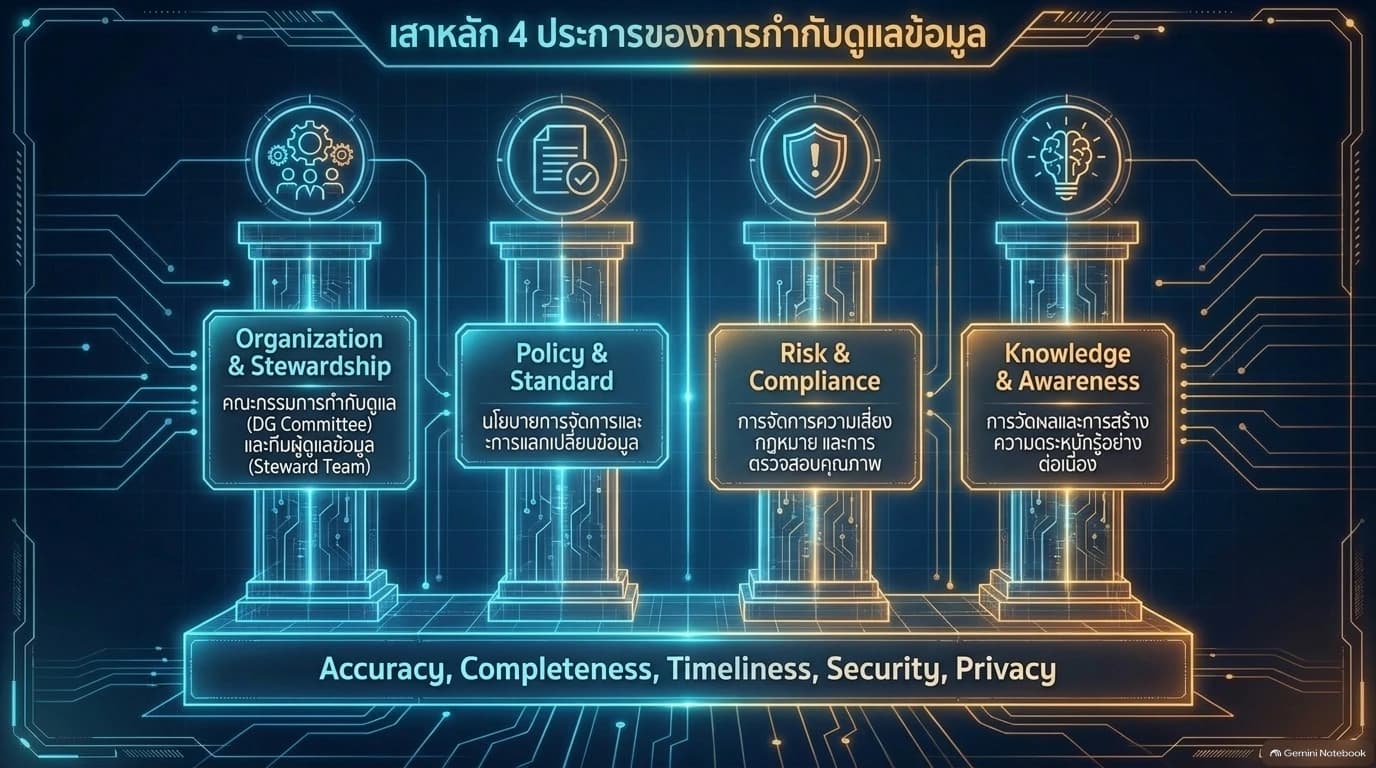
Identify the owner and steward of each dataset, including their roles in decisions and problem-solving.
Define meanings, formats and quality checks so teams use data with the same understanding.
Consider data types and usage permissions in line with your organisation’s policies and requirements.
Communicate procedures and transfer knowledge so users can continue looking after the data.
Record where each dataset is, what it means, who looks after it and which system it comes from, helping teams find and evaluate data before using it.
Define how data is created, stored, published, used, retained and destroyed according to policy—not just how it enters the system.

03 / ACCESS & SECURITY
Design access around roles and data sensitivity, and define what needs to be traceable for later review.
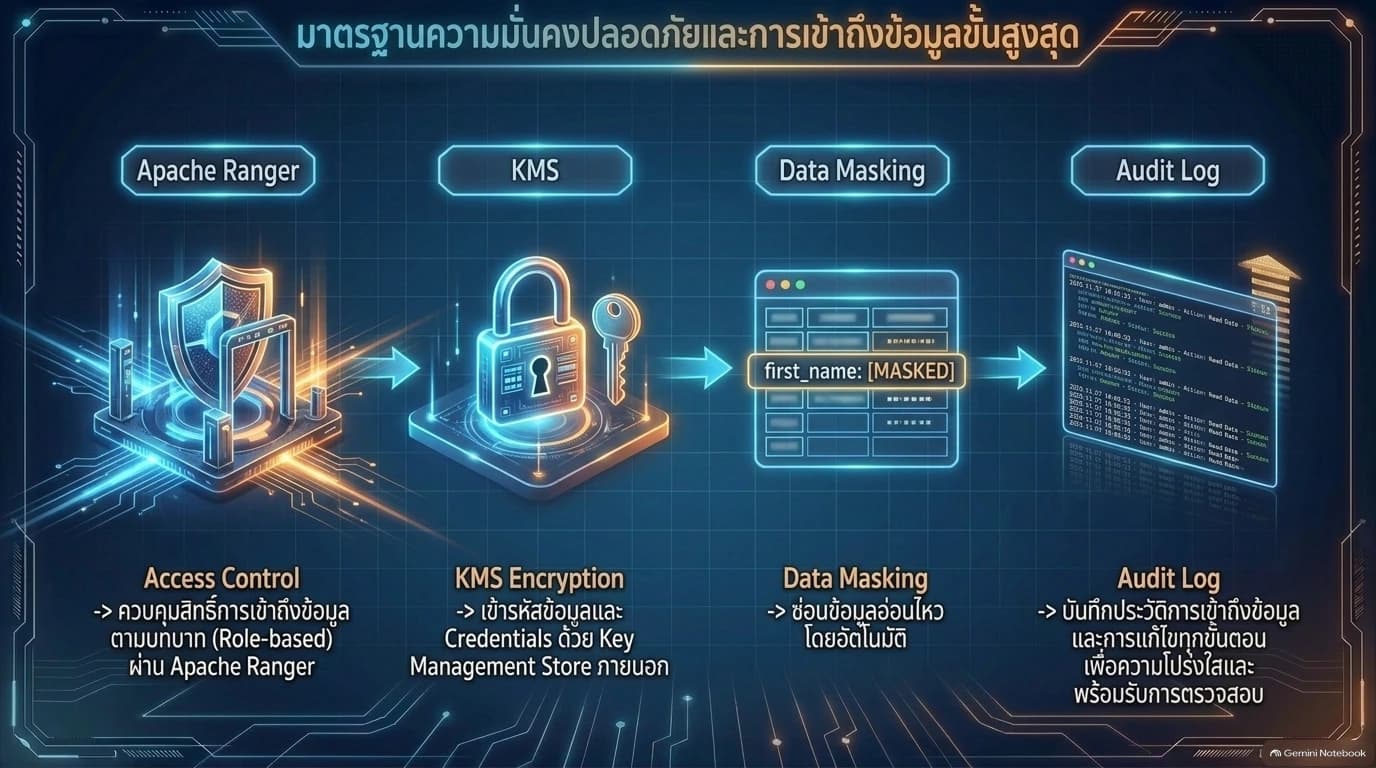
Define who may read, edit or administer each part of the data.
Select encryption and key-management methods suitable for the system.
Define which data should be hidden or only partially shown according to permissions.
Record the activities needed for subsequent review.
04 / PUT DATA TO WORK
Prepared data can support different uses. Choose an initial task with available data and a clear way to verify and accept the results.
Combine data from different systems to see the overall picture and track the metrics your team needs.
Explore the nimitFlow platformBring documents authorised for use into a question-answering system, and check answers against their sources.
Explore Enterprise KM ChatbotAssess data quality and volume before developing models and testing their results against the task.
Explore Predictive AnalyticsAI outputs must be checked by the responsible person before being used for decisions. Suitability depends on the data and scope of work.
05 / PROJECT ROADMAP
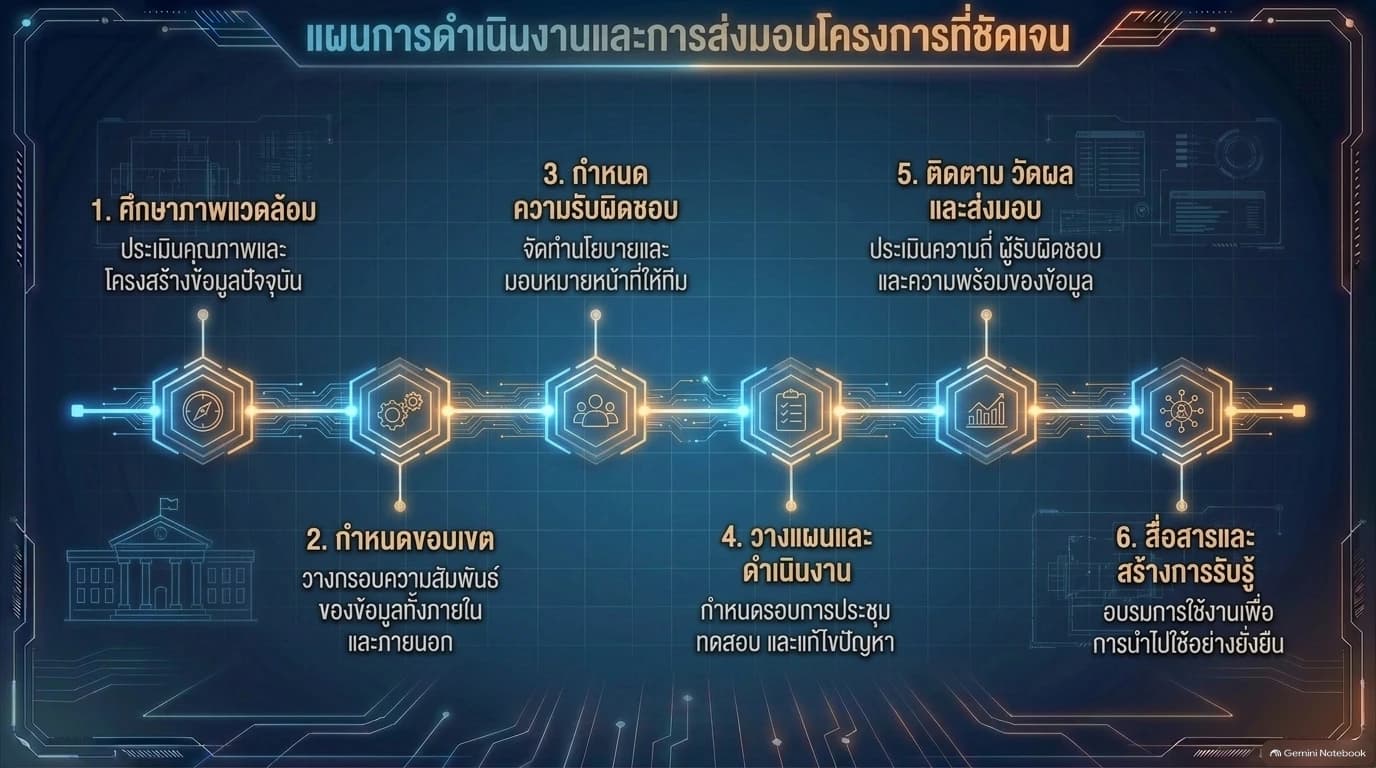
Review what is already in place, define scope and responsibilities, then plan development, testing and handover.
Examine existing systems, data sources and the problems to solve.
Select the initial task and required deliverables.
Agree who will look after the data and systems and who will accept the work.
Design, connect and develop according to the agreed plan.
Test, track issues and accept the work against the agreed scope.
Explain how to use the system and train the responsible team.
Choose components for the task. You do not need to start with every system at once.
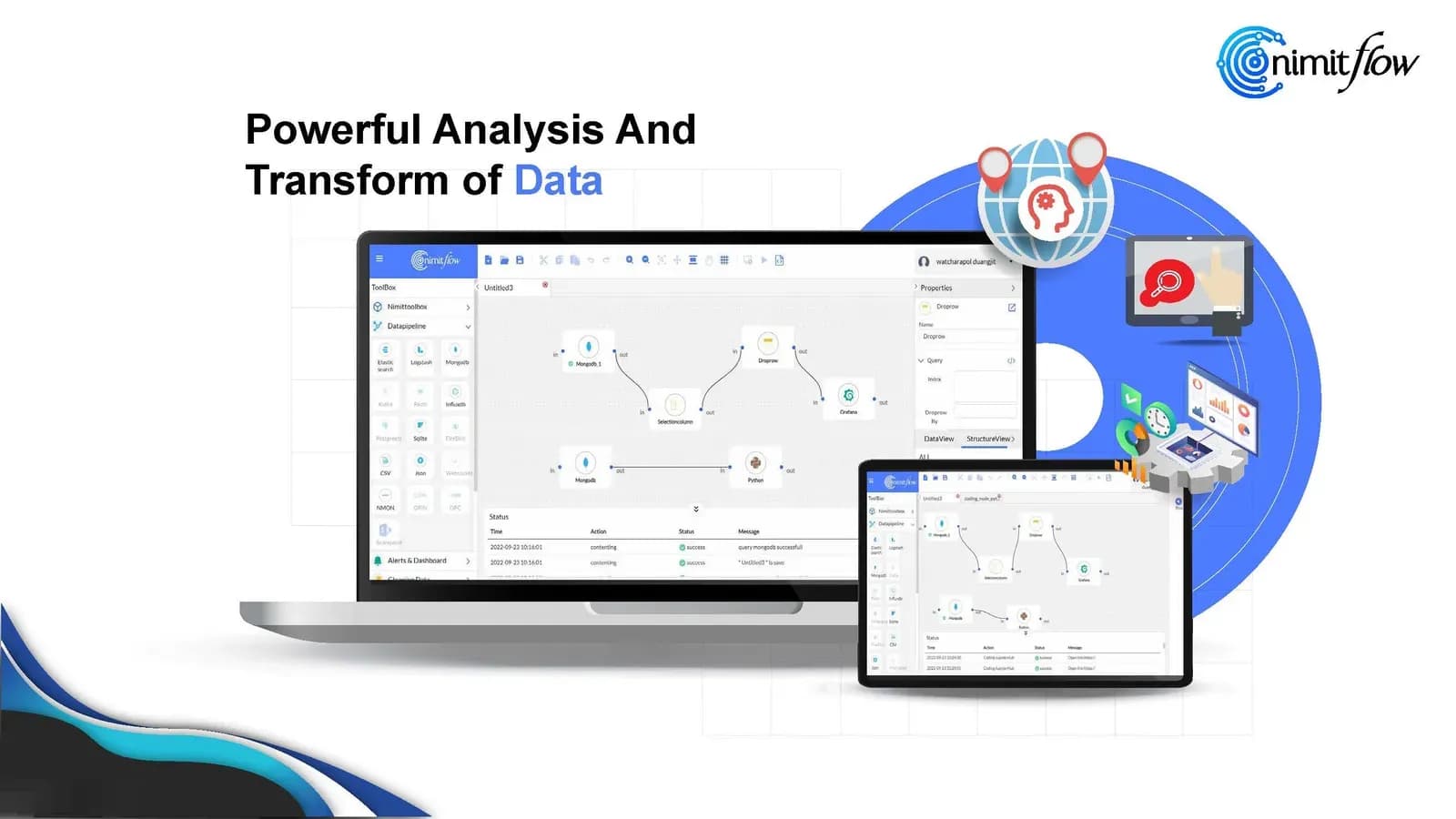
Low-Code platform for drag-and-drop creation of automated workflows and Data Pipelines, starting at THB 8,000/month
Used as a factory data lake (centralized data repository) that sends data to Data Lakehouse and Predictive Analytics for further analysis
Suitable for: IT teams and engineers who need to connect data from multiple systems and add Python code to suit their tasks
Details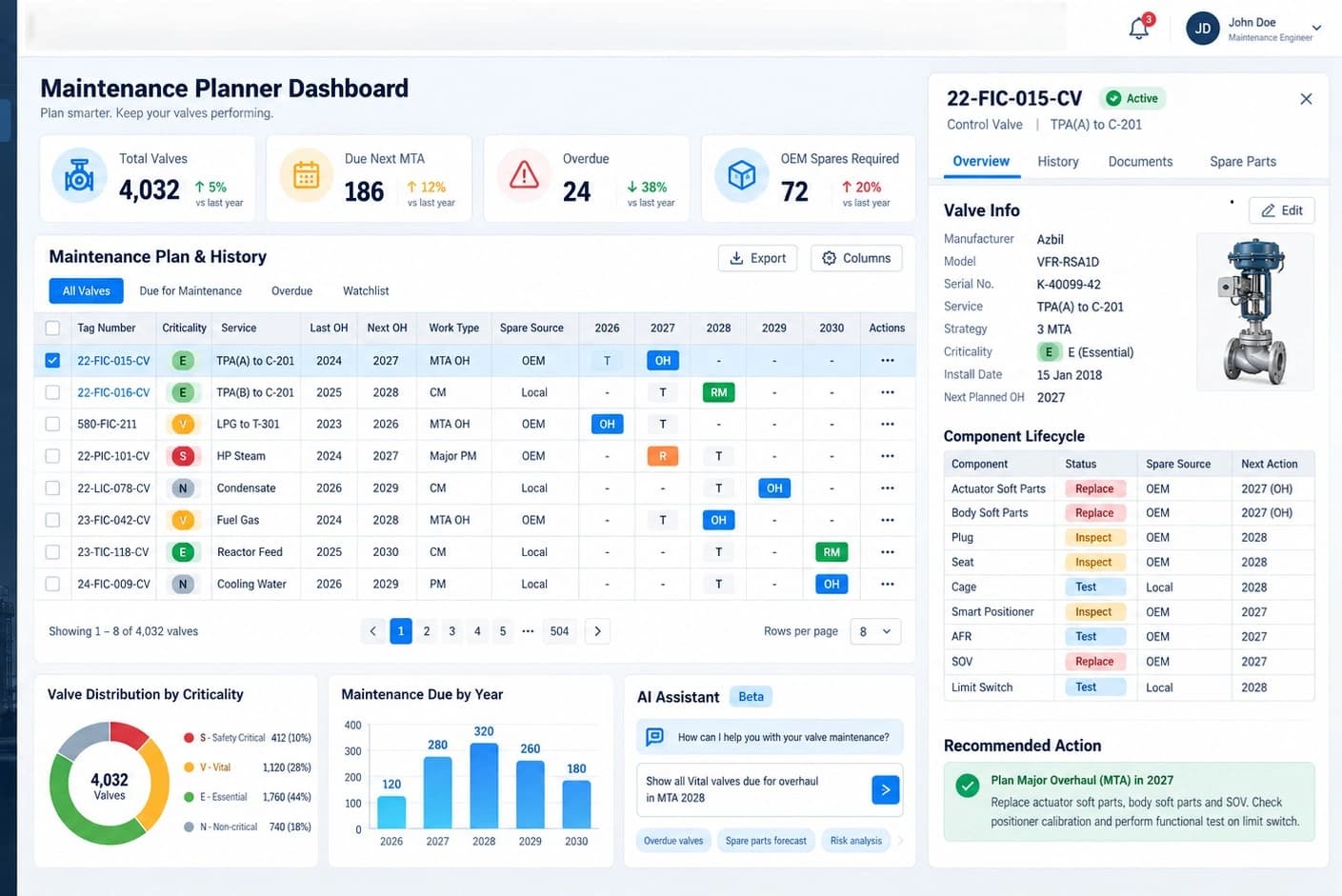
Example of Maintenance Planner screen with AI Assistant
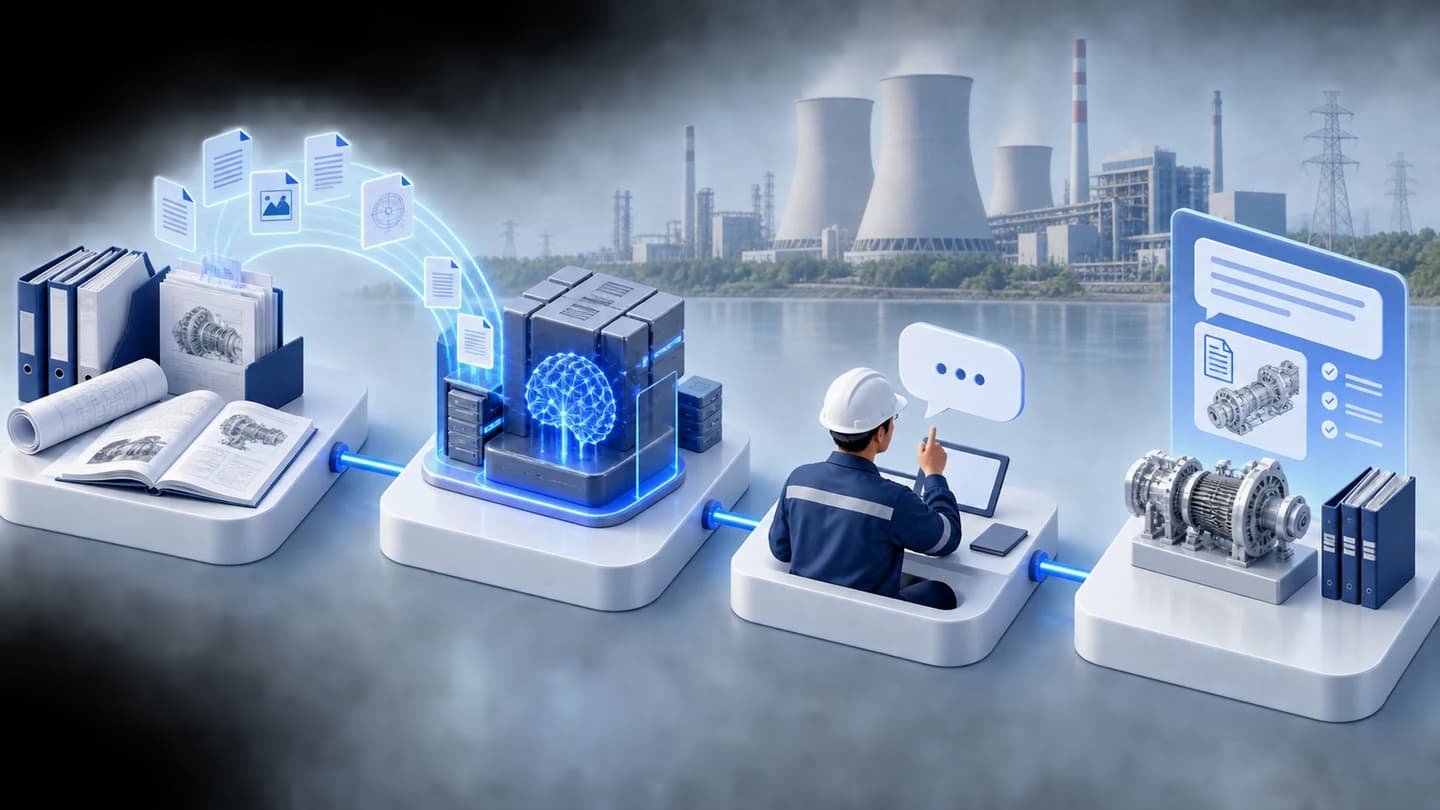
Organizational AI Chatbot, answers from internal documents in Thai language, specifies document source, and can be deployed on-premises (On-Premise)
Suitable for: A team of knowledge workers and engineers who need to find answers from many organizational manuals and documents
Details
Illustration concept from AI – Not actual product or project images
Platform integrates data from business systems and IoT devices into a central data warehouse for reporting and advancing AI
Suitable for: IT teams and data teams that need to integrate data from multiple systems
Details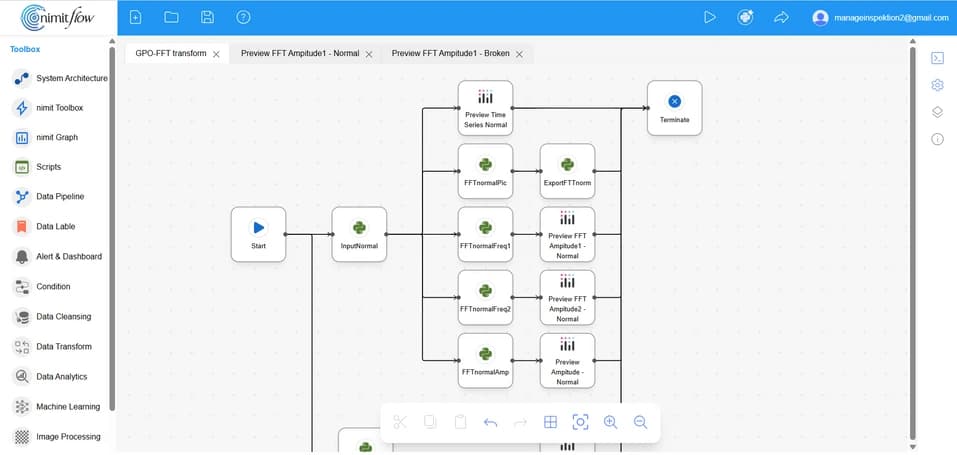
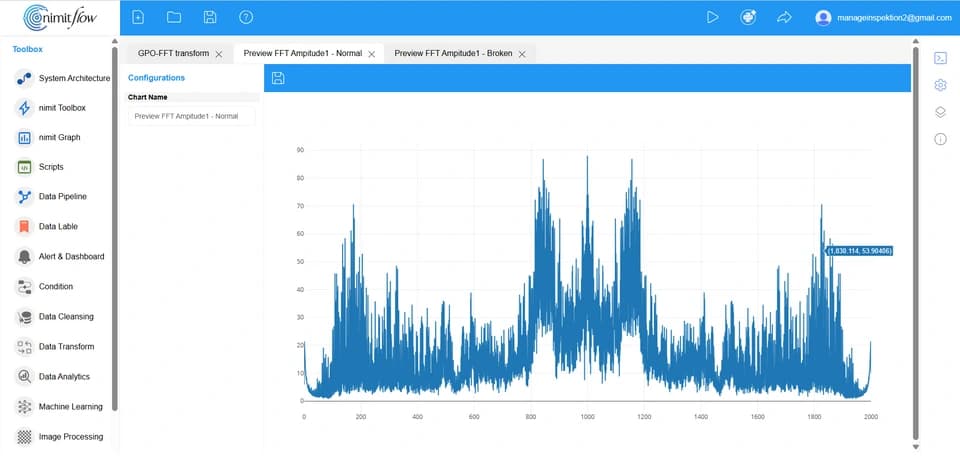
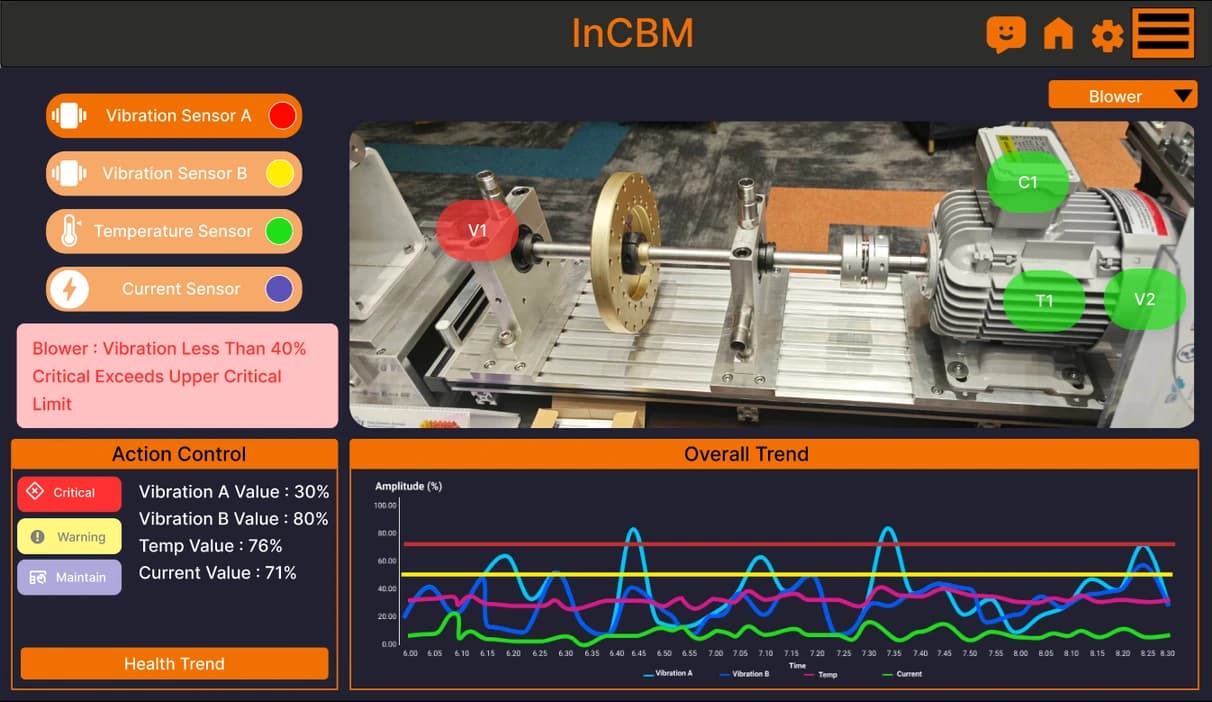
Example of data connection and analysis from Nimitflow document
Connect sensor data through Nimitflow, analyze signals with FFT, and develop Machine Learning models to track trends on dashboards and alerts
Suitable for: Data analysis teams, production departments, and maintenance teams with historical data and a need for trend forecasting
DetailsModern Data covers the overall IT, data and AI work. nimitFlow is a platform for connecting and organising data workflows where appropriate, alongside other tools selected for the project scope.
Start by reviewing existing systems and connection options, such as databases, APIs or files. Then assess which data can be used together, without assuming that every system can connect immediately.
On-Premise or Cloud options can be assessed according to data policies, infrastructure and scope, including the resources needed for an internal LLM.
Prepare the questions or problems to solve, a list of systems and data sources, responsible people and sample data with sensitive information removed. This helps define the first task and how its results will be accepted.
Start with your needs
Bring your business problem, a list of existing systems and sample data with sensitive information removed to discuss an appropriate scope with the team.
Discuss Modern Data