




What Is a Digital E-Waste Manifest, and How Do Government Agencies Manage Electronic Waste?
Inspektion engineering team · Published 7 September 2026 · Last updated 18 October 2026
A Digital WEEE Manifest is a digital registry system that tracks waste electrical/electronic products from registration through to completed dismantling, replacing paper documents that are difficult to check retrospectively.
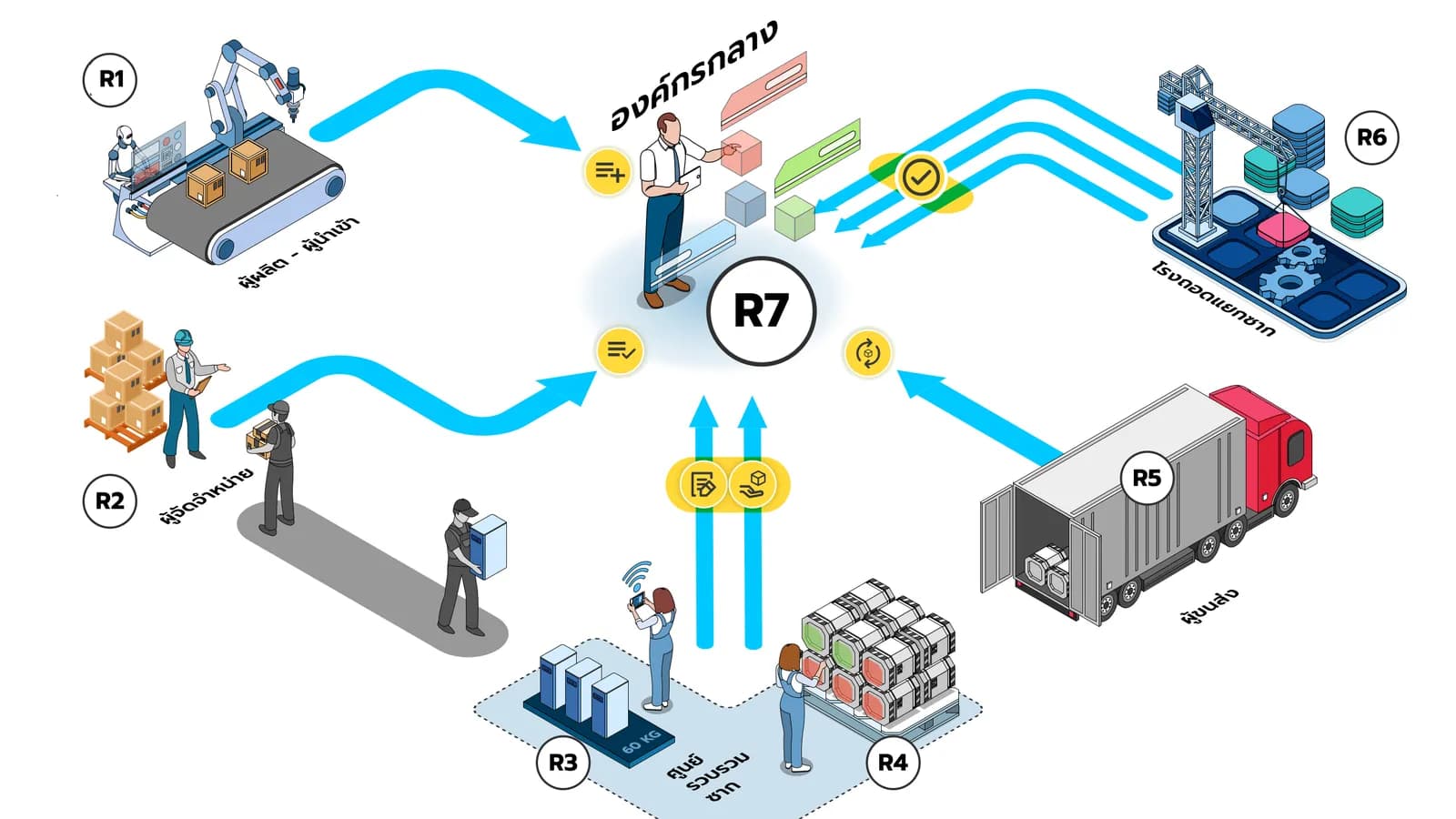 Image: Inspektion
Summary
- WEEE stands for Waste Electrical and Electronic Equipment: waste electrical and electronic products that require specialised handling.
- Traditional paper-based manifests are difficult to check retrospectively when you need to know which processes a particular waste item has been through.
- A digital system tracks waste from registration and receiving inspection through to completed dismantling, making retrospective checks much easier.
- Inspektion delivered a prototype electronic waste tracking system to EEI, along with user training, in 2021.
What is a WEEE Manifest?
What is a WEEE Manifest?
WEEE (Waste Electrical and Electronic Equipment) refers to waste electrical and electronic products that require specialised handling processes, because they contain both materials that can be reused and hazardous substances that must be disposed of properly. A Manifest is a document that tracks the route of the waste from its origin through to final disposal or recycling.
Why should government agencies take an interest in digital systems?
Registering and inspecting waste electrical/electronic products on receipt has traditionally tended to rely on paper documents. When you need to check retrospectively which processes a particular item has been through (for example, at which plant it was dismantled and when), this is difficult and time-consuming. A digital system solves the problem by recording every step as data that can be searched and checked retrospectively straight away.
How it works
The system covers everything from registering incoming waste and inspecting it on receipt against set criteria to tracking which organisation dismantled or disposed of each item and when. All the data is stored digitally and can be searched and reported on straight away, rather than having to hunt back through paper documents.
Why does systematic e-waste management matter?
Waste electrical and electronic products contain both valuable materials that can be reused and hazardous substances that must be disposed of properly. Management with a clear tracking system helps regulators verify that each item has been handled correctly in line with international guidelines, such as the Basel Convention on the Control of Transboundary Movements of Hazardous Wastes [1] and the European Union's WEEE management guidelines, which many countries use as a reference [2].
Examples of our real work
We delivered a web-based prototype system to the Electrical and Electronics Institute (EEI) for registering products and waste, tracking transport by QR Code and reporting on dismantling, along with user training, in 2021 (see the case). This article uses the term WEEE Manifest as a name for the concept behind this type of system.
Frequently Asked Questions
Can this system be used by organisations or waste dismantling plants in general?
It is designed to be adapted to each organisation's processes. The team assesses suitability and adjusts the system to match each organisation's actual steps.
Can the data in the system be used to produce reports for regulators?
Yes. The system is designed so that data can be searched and summarised into reports as regulators require.
How long does staff training take before the system can be used in practice?
Training and manuals should be set out in the scope of work before the project starts. The duration depends on the complexity of each organisation's processes.
References
- [1]
Basel Convention on the Control of Transboundary Movements of Hazardous Wastes — Basel Convention Secretariat, UNEP
- [2]
Directive 2012/19/EU on Waste Electrical and Electronic Equipment (WEEE) — EUR-Lex, European Union
- [3]
Pollution Control Department — Pollution Control Department