




 Enlarge Image
AI and predictive maintenance in industry
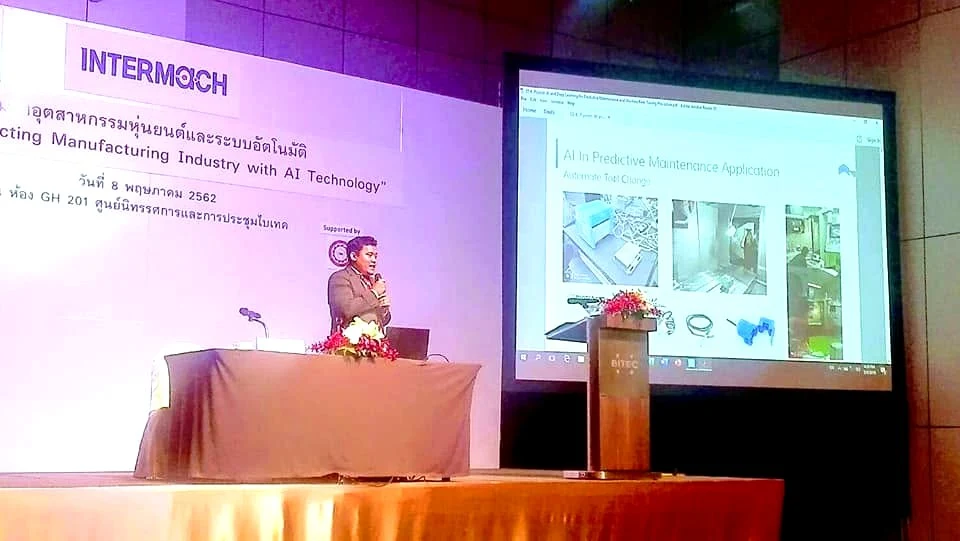
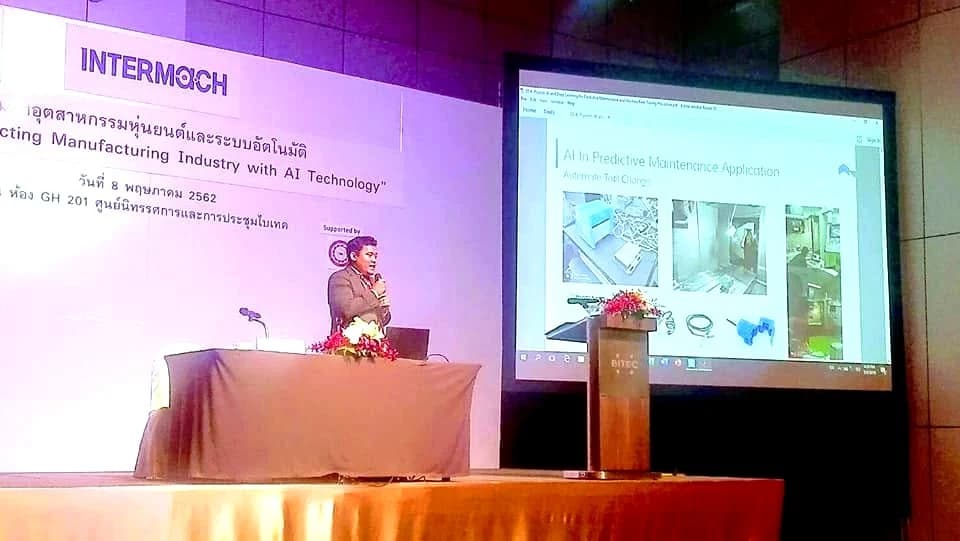
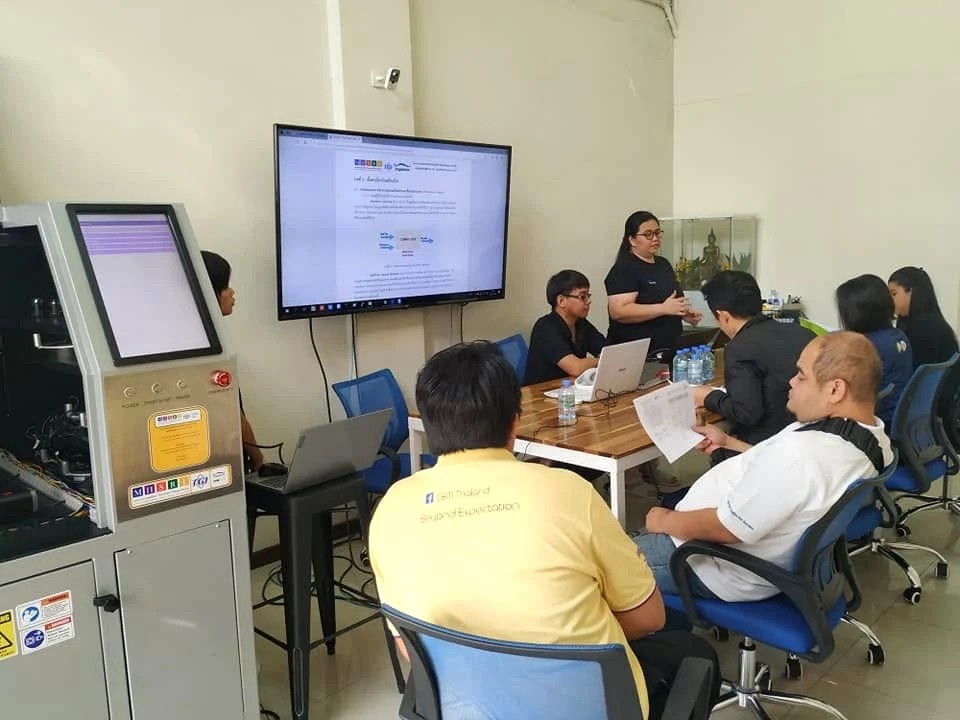
A talk on applying AI to manufacturing and machine maintenance, connecting data, sensors and team preparation before a project begins.
FROM CHALLENGE TO DELIVERY
We help define your requirements, assess readiness and design AI / IoT systems or custom hardware before investment, with prototype planning, concept testing and knowledge transfer through talks, workshops or coaching so your team can continue the work.
Suitable for: Organizations with specialized requirements that are unsure which cameras, sensors or software to use, need prototypes before full investment, or need system designs and specifications for procurement or budget requests.
CONSULTING · DESIGN · KNOWLEDGE TRANSFER
We help management and on-site teams align on the challenge, from data assessment and system and prototype design to workshops and knowledge transfer, giving your team a trial plan and decision criteria before investment.
Discuss with management and technical teams to identify problems, available data, constraints and opportunities to prioritize.
Clear requirements and priorities suited to your organizationAgree on the architecture, prototype scope, feasibility and test criteria together.
A system design and pilot plan within the agreed scopeChoose talks, workshops or coaching suited to executives, engineers and system users.
Exercises, documentation and a plan for further actionOur experience in speaking, training and knowledge exchange helps us tailor communication to management, technical teams and system users.
Enlarge Image A talk on applying AI to manufacturing and machine maintenance, connecting data, sensors and team preparation before a project begins.
 Enlarge Image
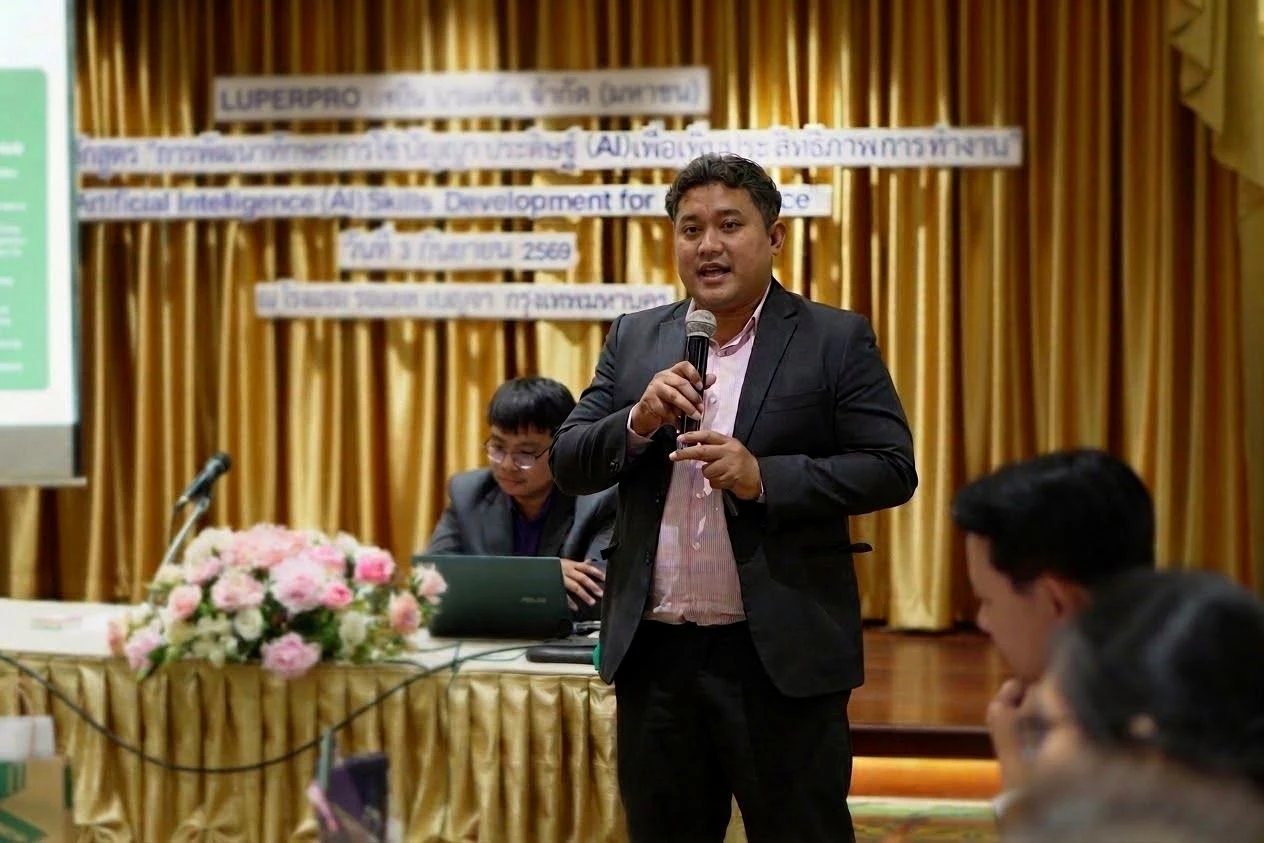
Explain concepts so learners can see how to apply them at work, then extend them into workshops tailored to each team's role.
 Enlarge Image
 Enlarge Image
 Enlarge Image
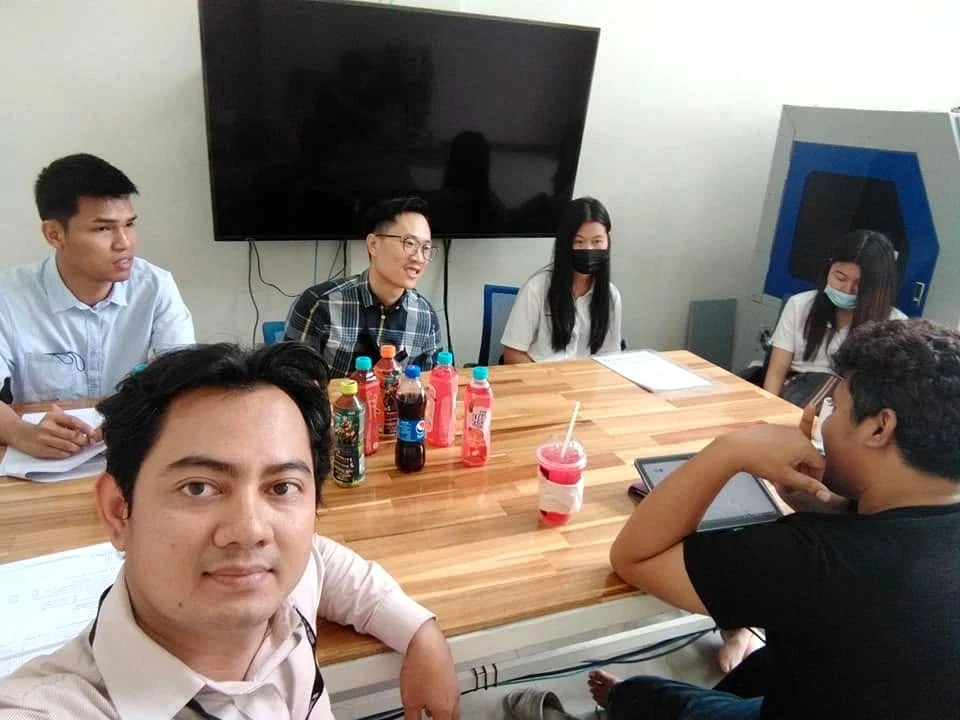
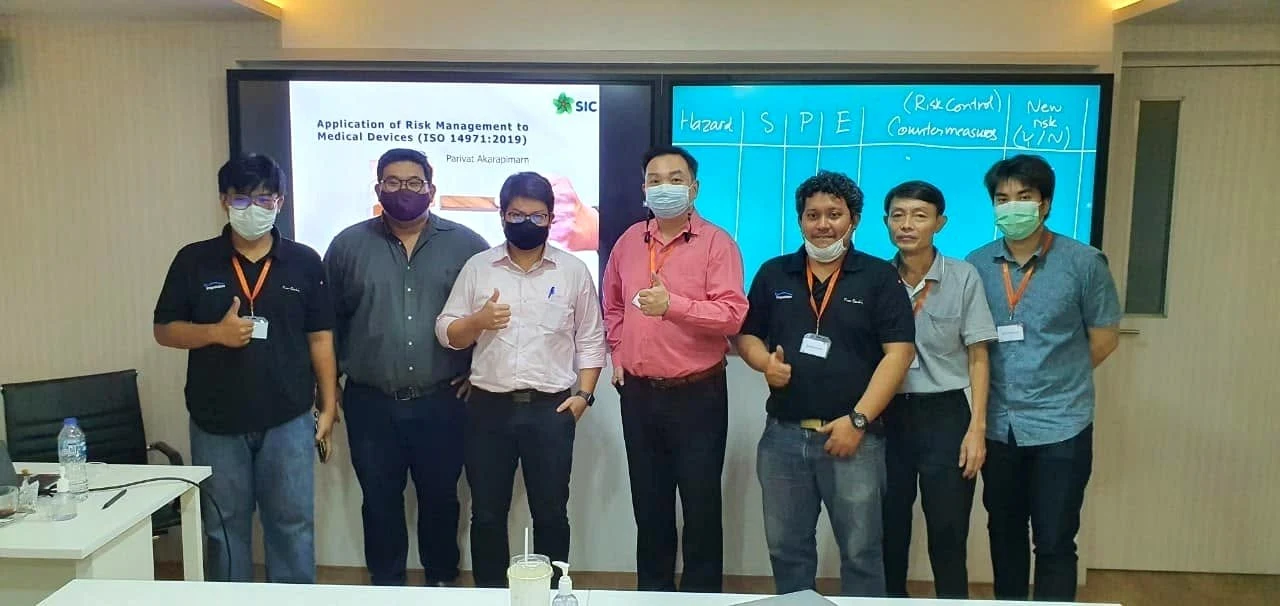
Sample materials from talks and knowledge transfer. Select an image to view details and discuss relevant topics with our team.
 Enlarge Image
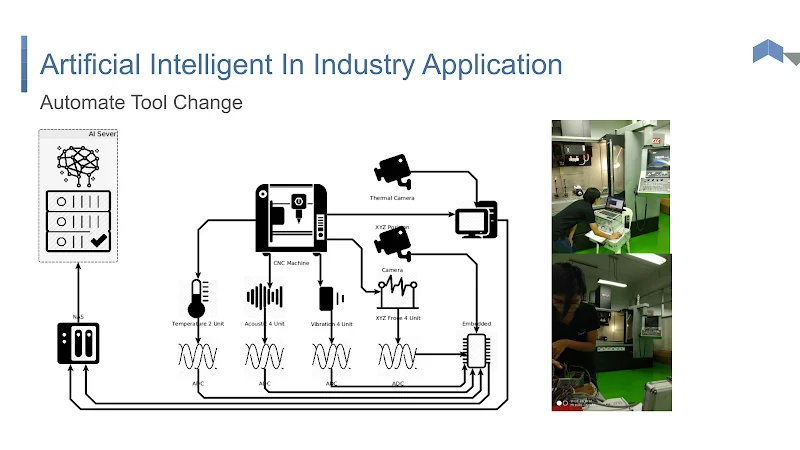
An example linking machine temperature, sound, vibration and image data to a processing system to explain AI system design approaches.
Speaker: Piyorot Khongchuay
View enlarged document image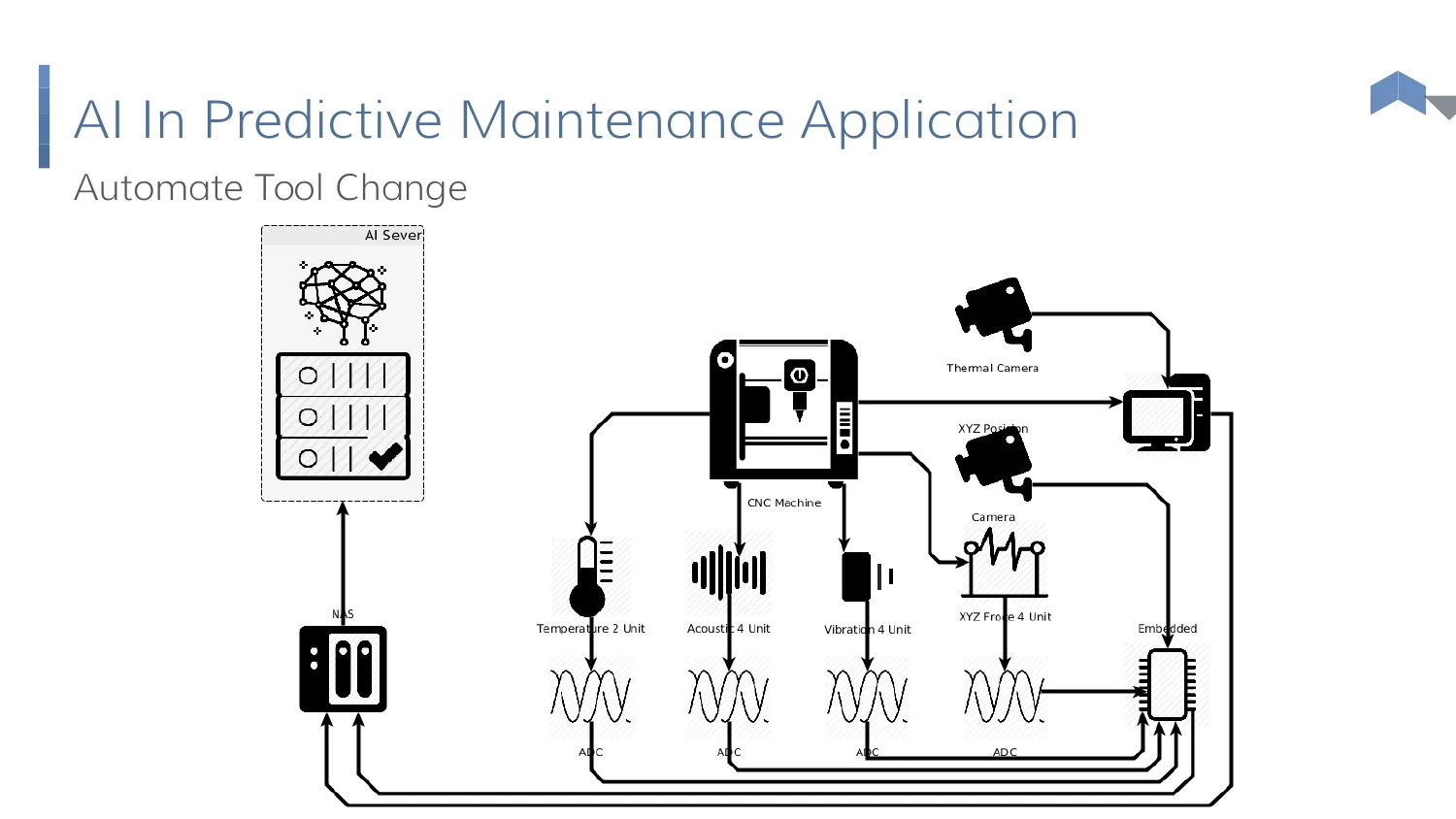 Enlarge Image
Select data and measurement points relevant to machine symptoms, and discuss model evaluation and team preparation before a real trial.
Speaker: Piyorot Khongchuay
View enlarged document image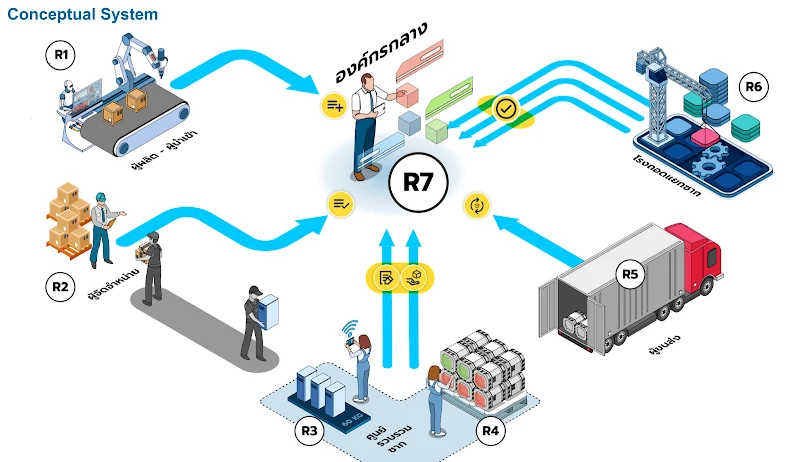 Enlarge Image
Explain role-based operations alongside system structure and data flows so the receiving team understands both usage and maintenance.
Speakers in the materials: Watcharapol Duangjit and Noppadon Khongchuay
View enlarged document image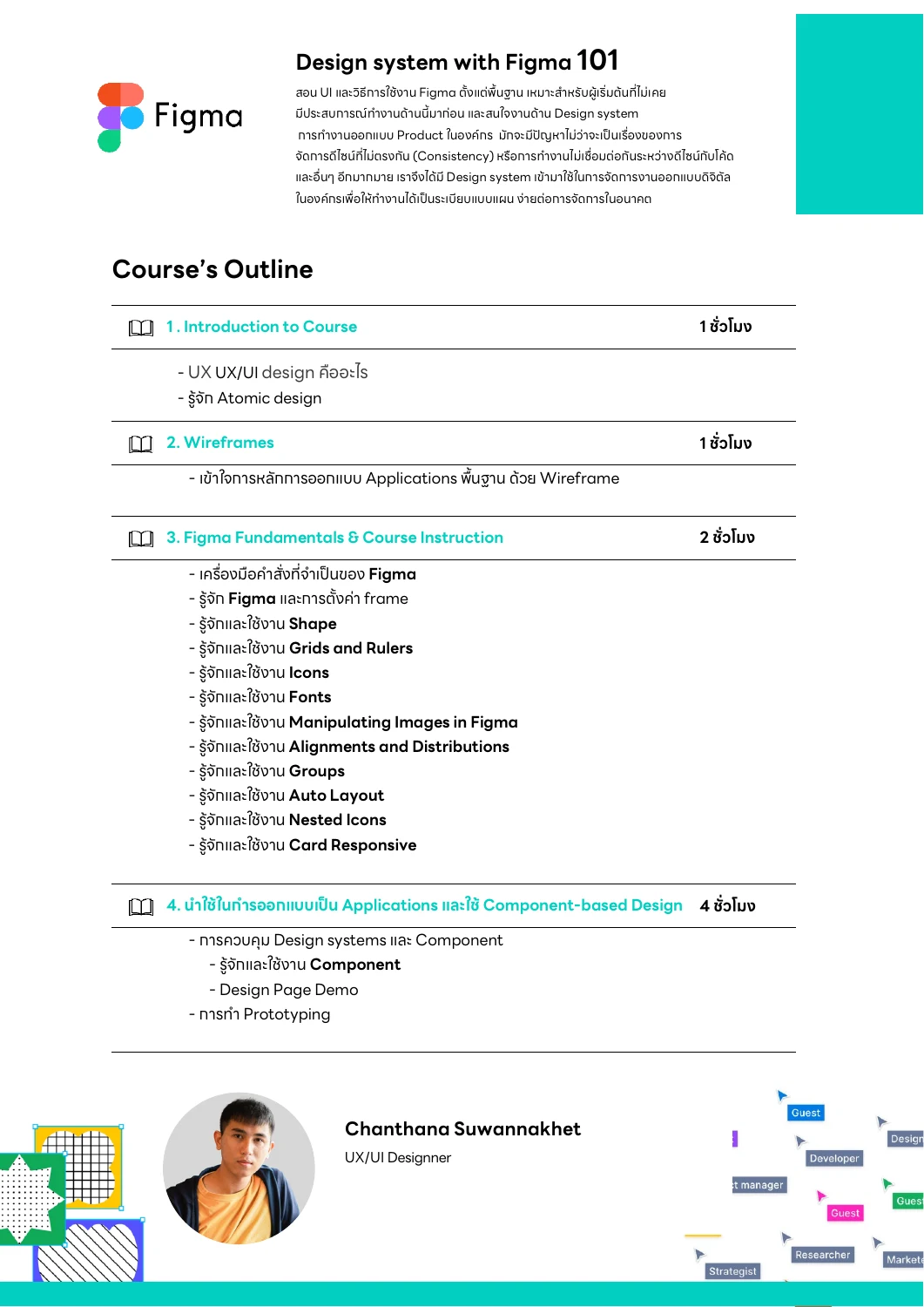 Enlarge Image
Learn UX/UI and Atomic Design fundamentals, practice wireframes, Auto Layout and components, then assemble interfaces and prototypes.
Instructor in the document: Chanthana Suwannakhet
View enlarged document imageThese materials show examples from previous work. We tailor the topics, data and practical exercises to your project.
Proposed course and workshop frameworks. Duration, content and deliverables are adapted to participants' backgrounds, the data used and the jointly agreed scope.
Builds on experience presenting industrial AI
Newly proposed course for generative AI work
Builds on predictive maintenance presentation materials
Course proposed from system development experience
Course proposed from factory expertise
Course proposed from machine learning materials and exercises
Backed by Figma experience and a course outline
System knowledge transfer materials available for users and technical teams
Delivered with standards specialists within the agreed scope
Course proposed from project management expertise
Choose a format suited to your organization's decisions and team readiness, then agree on the scope before starting.
45–180 minutes
AI applications and industry examples, with Q&A and slides tailored to your work.
1–2 days
Assess learners' backgrounds, set objectives, practice and summarize learning for the selected topics.
2–3 days
Use simulated data or data appropriately prepared by your organization for exercises, readiness assessment and pilot planning.
Estimated according to project scope
Start with requirements, assess feasibility, design the system and test criteria, and provide coaching so your team can continue.
Tell us your goals, stakeholders and available data. We help shape a system design approach or course outline suited to your organization.
Discuss your needs and request a scope of workWork Illustration
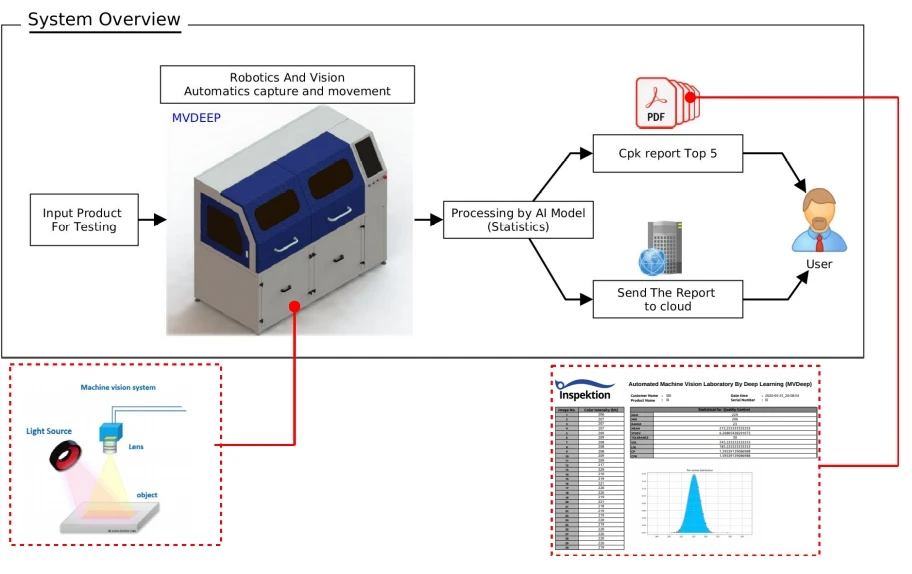
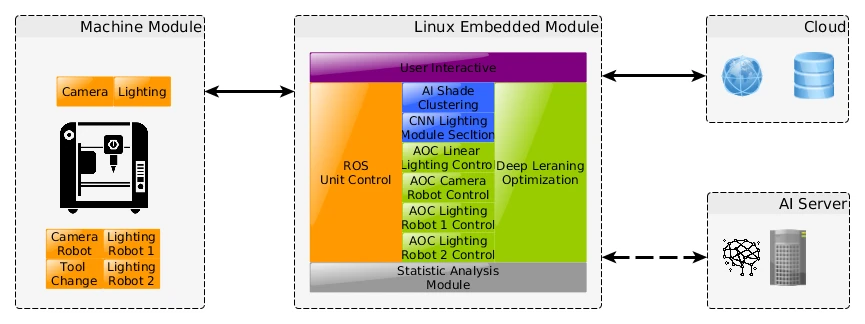
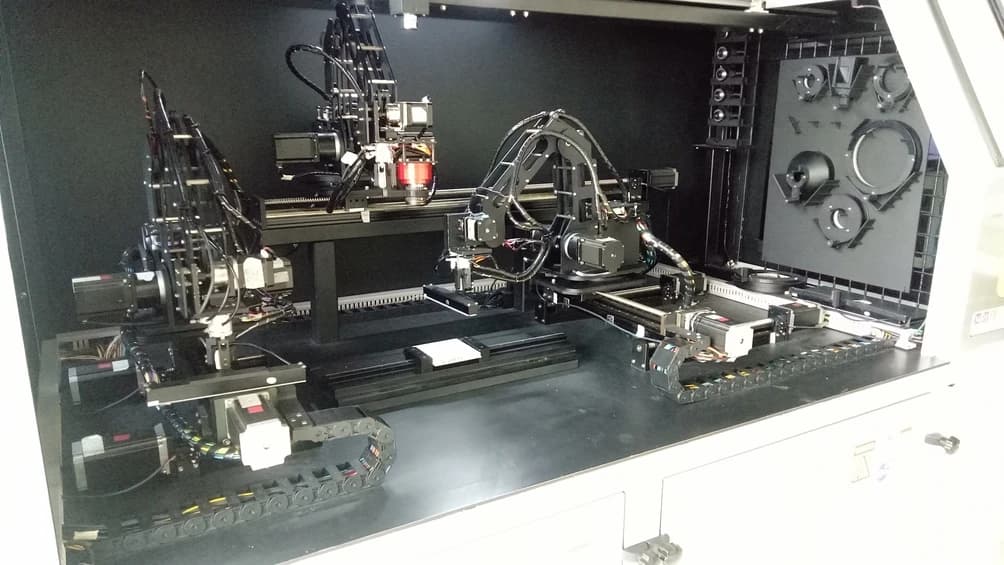
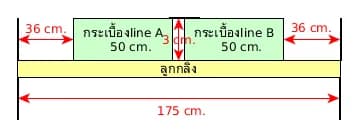
A system diagram aligns users, technical teams and management on the scope, from receiving parts and processing to screens and reports. We designed 1 MVDeep prototype machine that reports Cpk (process capability index) to help select cameras, lenses and lighting, under a Thai government prototype machinery development project in 2019–2020. The project targeted at least 100 reports per 8 hours, and its final report records that testing met this target. Setting numerical targets from the outset makes acceptance criteria clear. Your design work therefore starts with a system diagram and jointly agreed test criteria.
Estimated from complexity, design scope and the need for prototypes
Before work starts, our proposal sets out the schedule, inclusions, exclusions and costs. Additional work requires a joint scope assessment.
View deliverables ↓Suitable for: Organizations with specialized requirements that are unsure which cameras, sensors or software to use, need prototypes before full investment, or need system designs and specifications for procurement or budget requests.
Listen to the problem, on-site constraints and budget, then jointly define requirements and measurable goals.
Select an approach and design the system, circuits or mechanisms with technical specifications.
Build a prototype and test it with real parts or data to reduce risk before full investment.
Deliver designs, documentation and test reports, and explain the results to management and the teams that will use the system.
Yes. We assess requirements, design the system approach and plan workshops or coaching suited to your team. Participants, data, deliverables and test criteria are agreed before work starts. Course durations are recommendations; pilot work is estimated separately according to complexity.
Yes. We first listen to the actual problems and constraints on site, then help clarify requirements before proposing a design approach. Some problems only need sensors or predefined rules; AI is not always necessary.
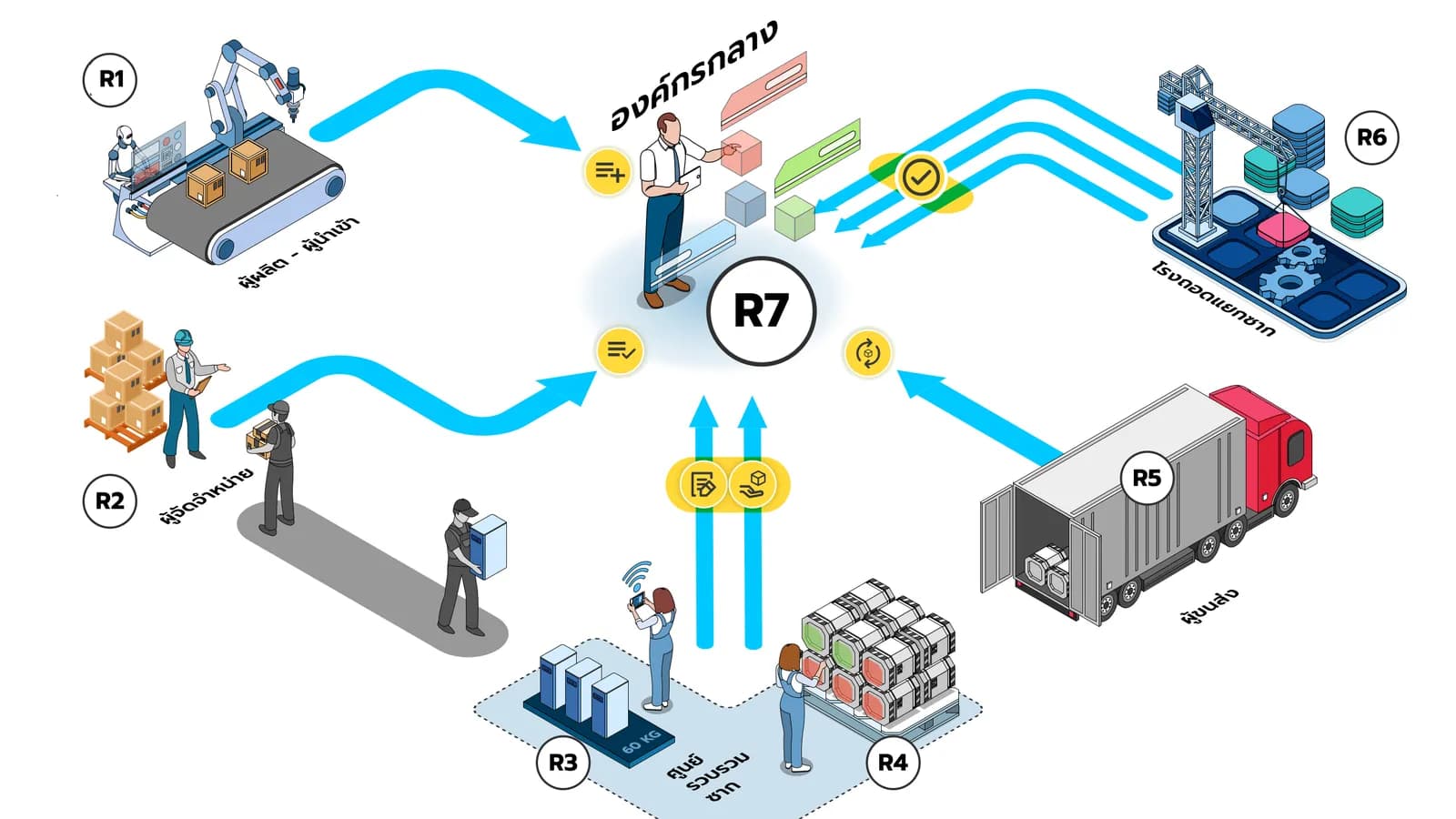
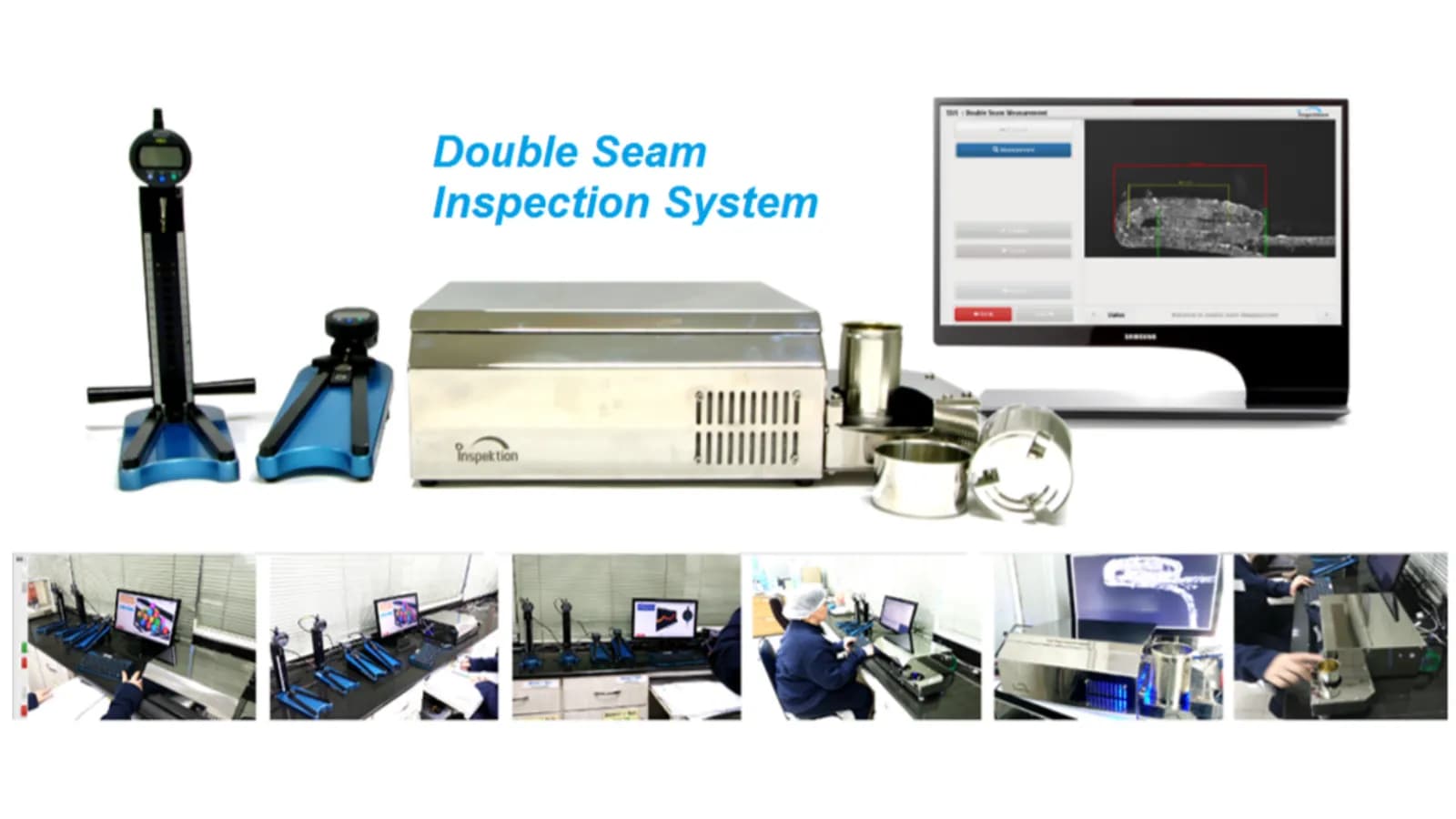
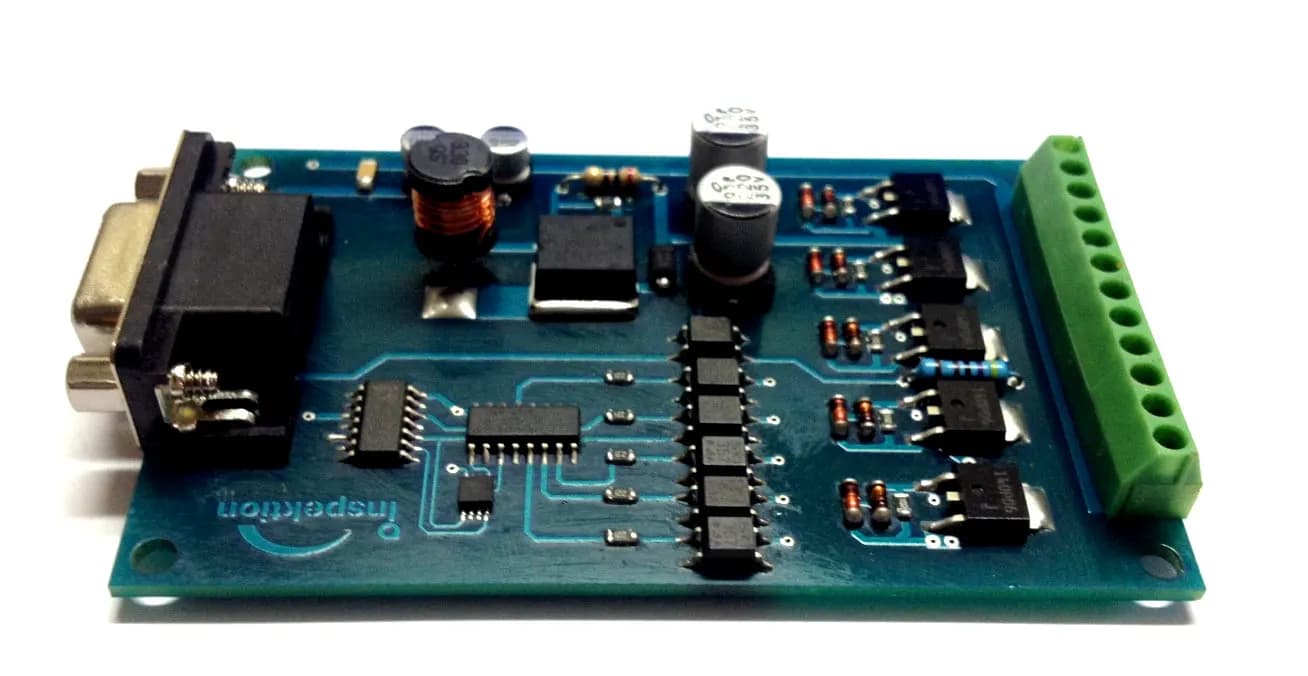
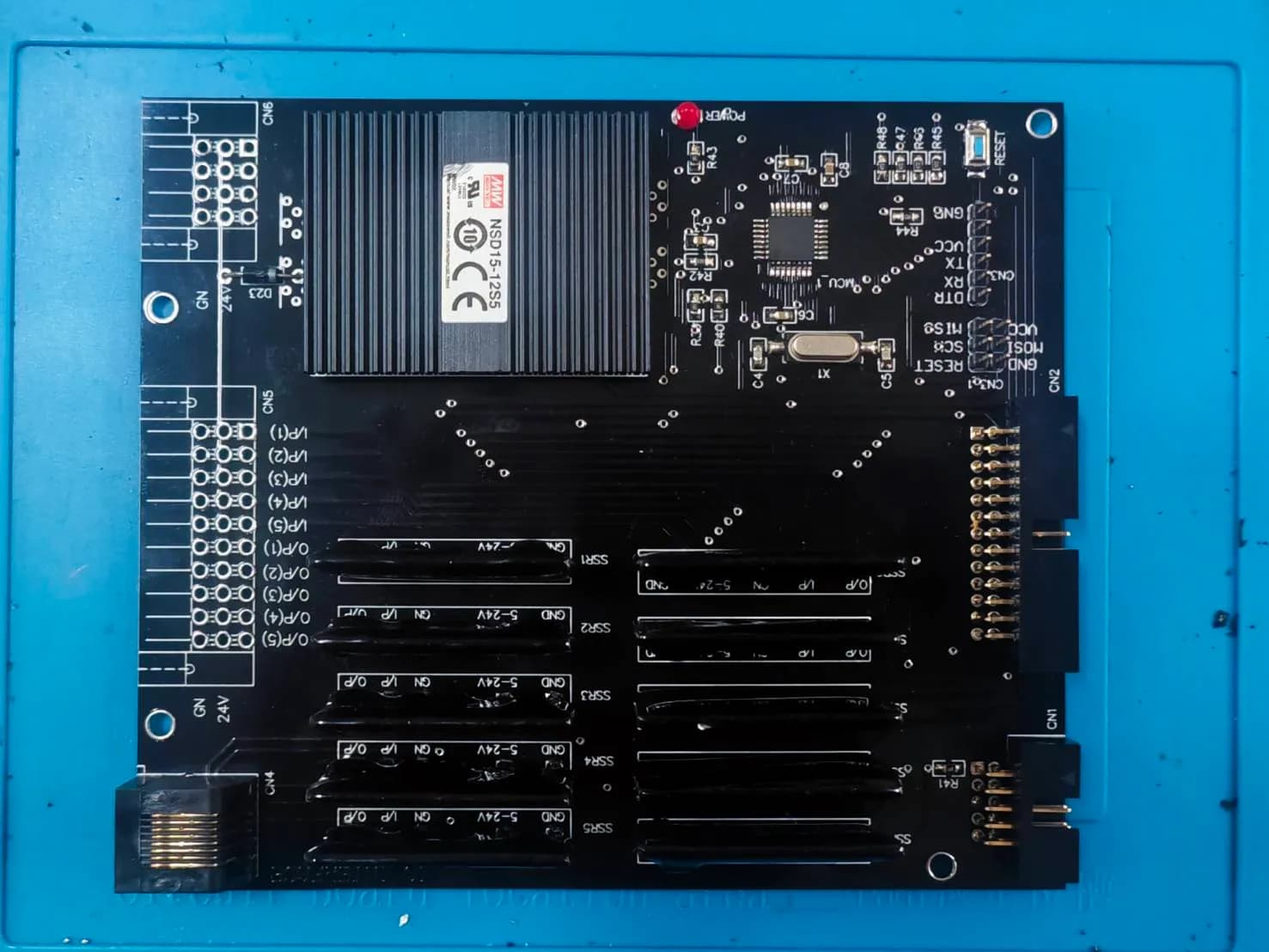
We designed and developed 2 DSIS can seam inspection machines for a Thai metal can manufacturer in 2016–2017 under a government-supported project. We also developed a prototype digital electrical appliance waste registry for 6 stakeholder groups for a government agency in 2021, and designed the IDB9 isolation board, which a gauge and measurement system manufacturer reordered in multiple batches during 2018–2022. DSIS users requested 4 rounds of changes after installation, so your project plan should include post-installation revision rounds from the outset.
It depends on the complexity of the mechanisms and system. For example, the MVDeep prototype project began in fiscal year 2019 and was presented for final acceptance in July 2020. We estimate your timeline after reviewing the requirements.
Documents depend on the scope, such as proposals, system designs, test reports and user manuals. We agree on the list before work starts. Our past government prototype projects included work plans, progress reports and final reports.
This service is not suited to projects that already have specifications and selected equipment and only need installation. Our system installation service is a better fit for those cases. Prototypes from this service are for testing concepts, not machines immediately ready for production lines.