




How a Flood Warning System Works for Subdistrict Administrative Organisations and Municipalities (DoRare 20-Station Case)
Inspektion engineering team · Published 7 September 2026 · Last updated 18 October 2026
DoRare is a water-level station that uses a camera and AI to read values approximately every 15 minutes and sends alerts via LINE when the water reaches a threshold, helping municipalities monitor multiple points and plan on-site inspections.
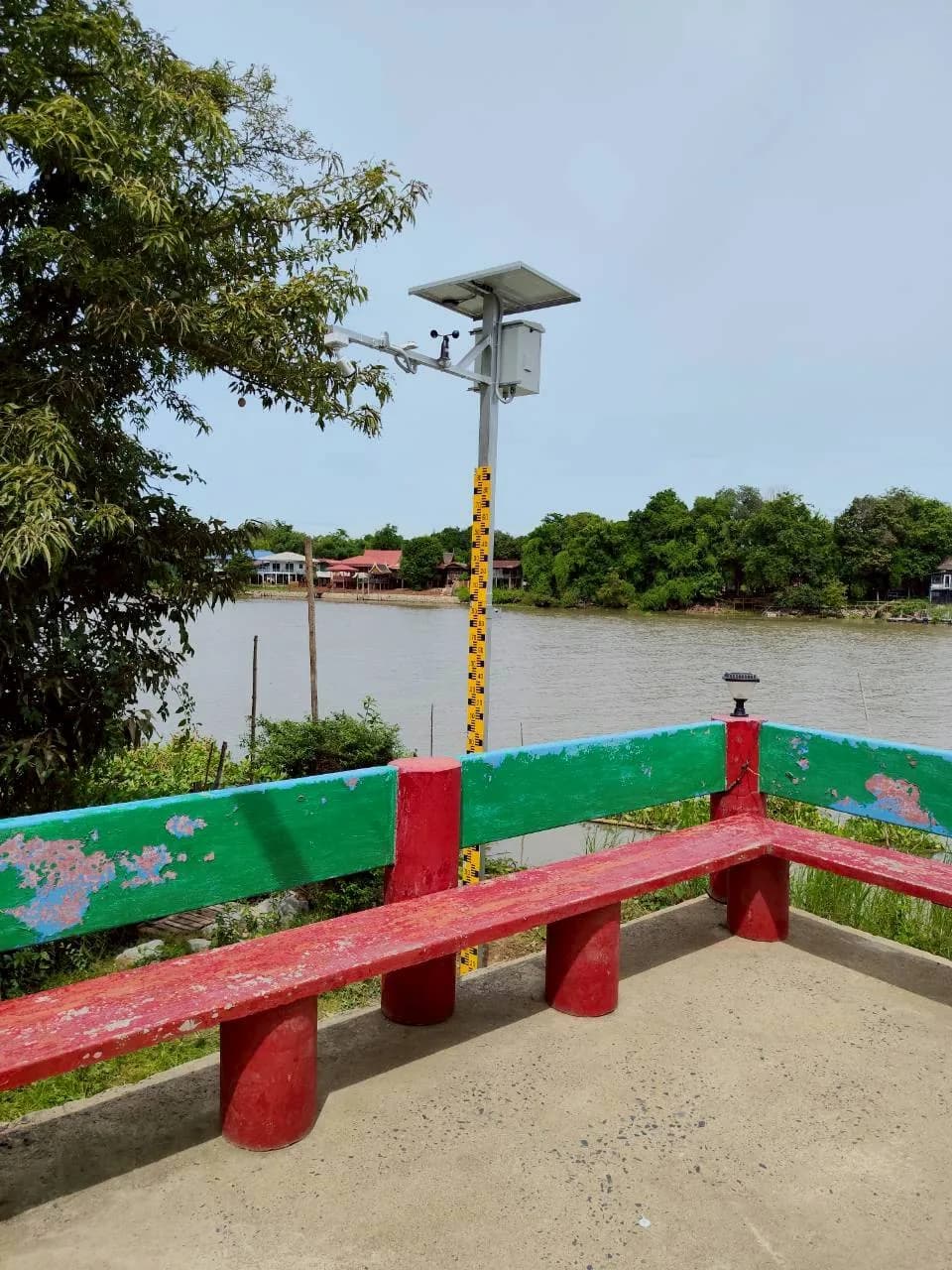 Image: Inspektion
Summary
- DoRare installs cameras and sensors at monitoring points along rivers, then has AI read water levels from images automatically approximately every 15 minutes.
- When the water level reaches a danger threshold, the system alerts officers via LINE and email under the set conditions, and images are used to help check the values the system has read.
- It runs on solar cells and a backup battery, so it can be installed even at points with no access to electricity.
- Inspektion has actually installed 20 stations of this type, covering 4 riverside provinces.
What is DoRare?
What is DoRare?
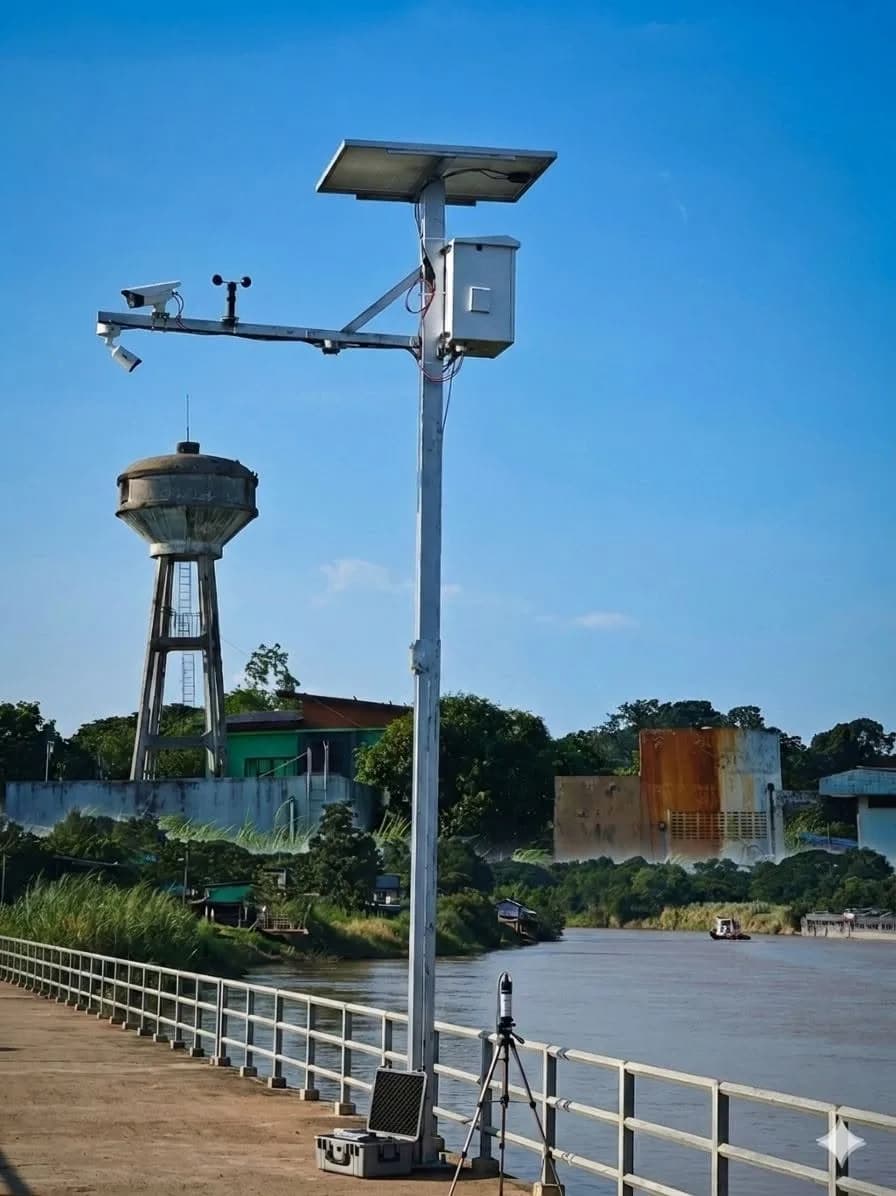
DoRare is a smart water-level station with cameras and sensors installed at monitoring points along rivers. It uses AI to read water levels from images automatically, instead of sending officers to read the values by eye on site every day.
Why municipalities and subdistrict administrative organisations should take an interest
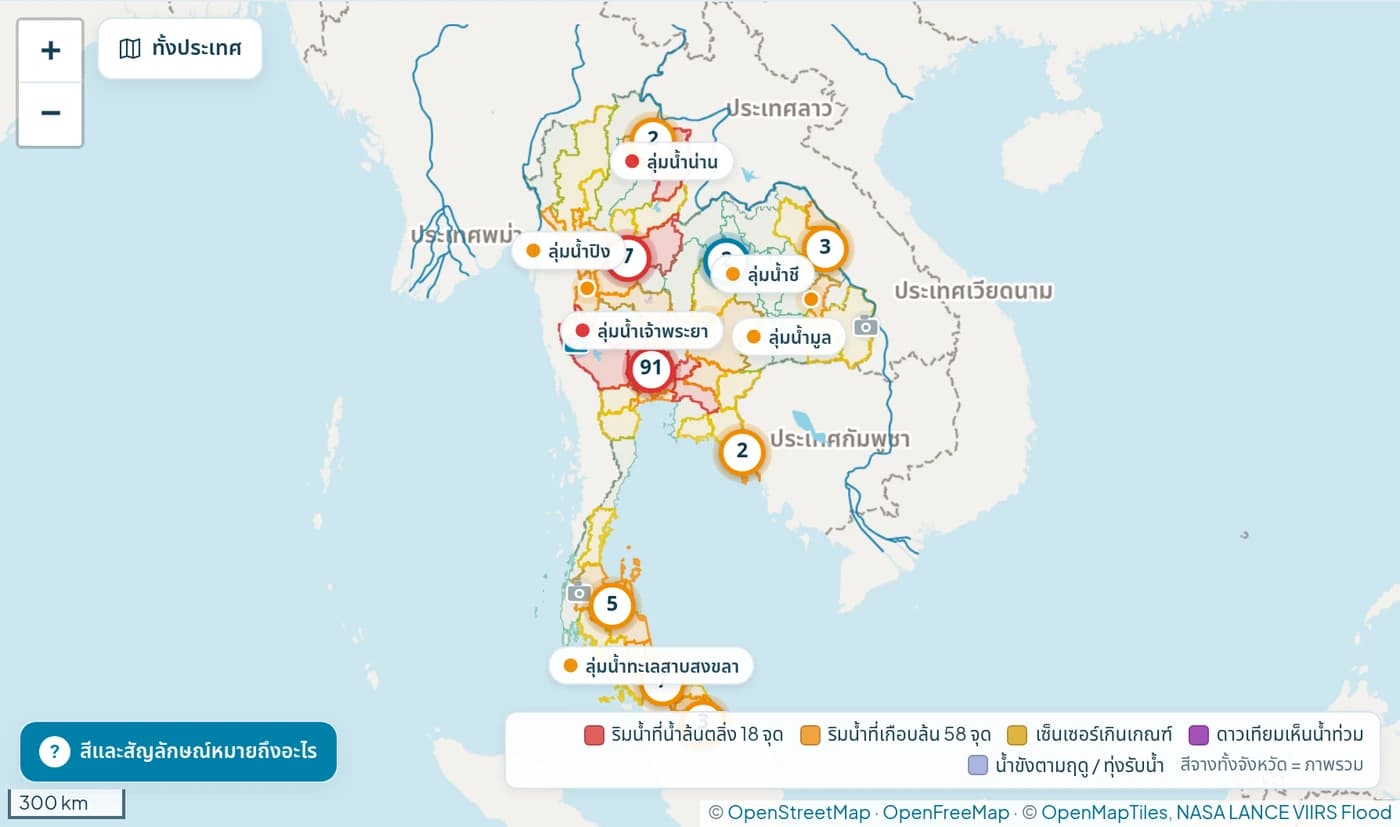
Local agencies responsible for riverside areas often have to monitor water levels at several points at once, but do not have enough staff to send officers to read the values at every point every day. DoRare addresses this by having AI read the water levels itself approximately every 15 minutes. Officers can view information from every point on a single dashboard without travelling to the site, and receive alerts according to the thresholds that have been set.
How it works
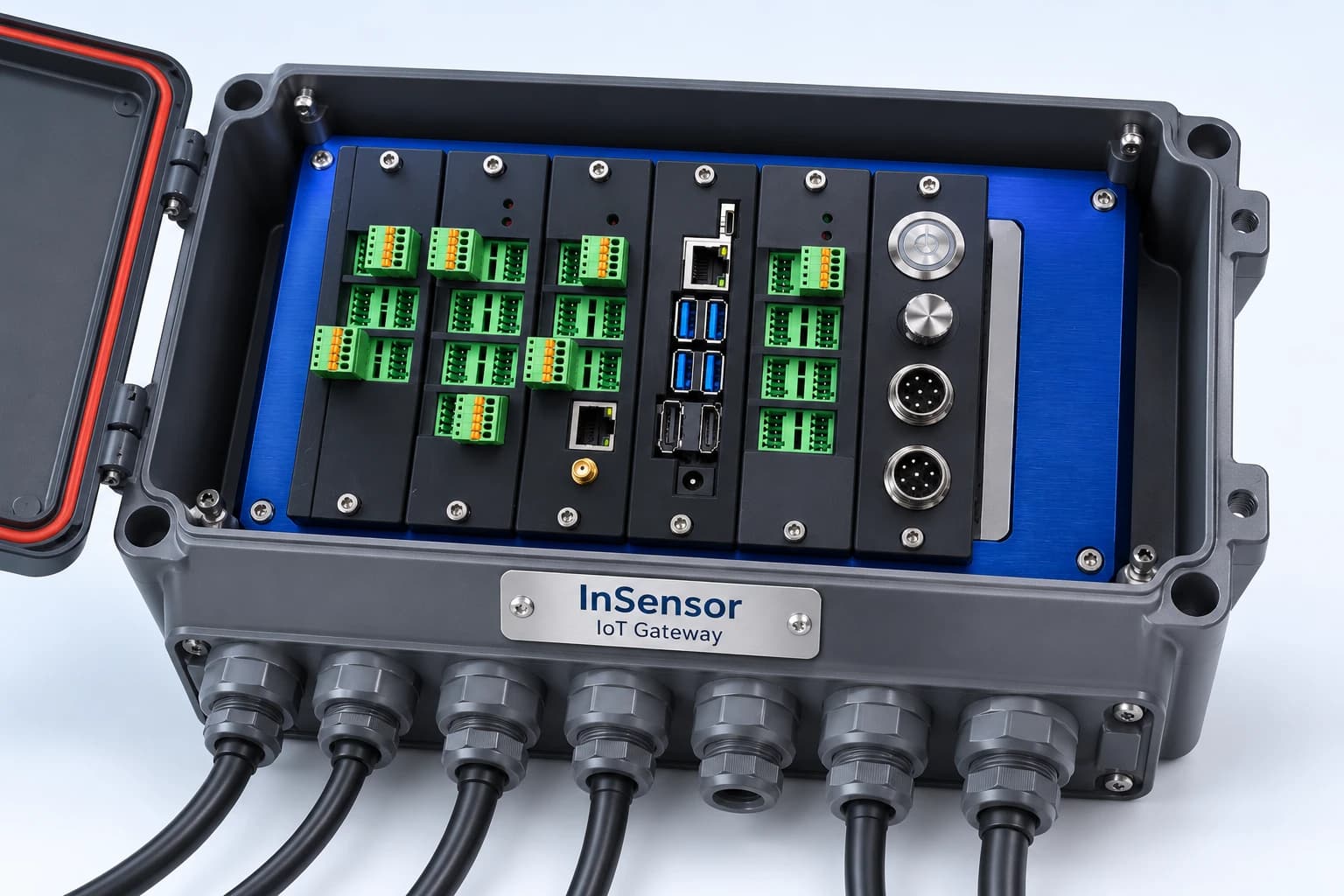
- Each station is fitted with a camera and water-level sensor, along with solar cells and a backup battery, so it can be installed even at points that electricity does not reach.
- AI reads water levels from images automatically approximately every 15 minutes and sends them to a central server.
- When a reading reaches the set threshold, the system sends alerts via LINE and email to officers according to the system's conditions.
- Officers can view an overview of all stations on a single central dashboard.
Examples of our real work
We have installed 20 smart water-level stations along rivers in 4 Thai provinces, completed at every point on the list, together with a central summary dashboard (view the DoRare 20-station case). Agencies or local partners interested in further installations can see product details at DoRare or partnership models.
Frequently Asked Questions
Does DoRare need electricity or internet access on site?
It runs on solar cells and a backup battery, so it can be installed even at points with no access to electricity. Data is transmitted over the mobile network.
Who can receive alerts?
Alerts can be set up to go via LINE and email to designated officers, as appropriate for each agency.
How many stations does it take to be worthwhile?
It depends on the number of monitoring points the agency has to look after. Our team assesses suitability and designs an installation plan based on the actual area.
References
- [1]
Department of Disaster Prevention and Mitigation — Department of Disaster Prevention and Mitigation (DDPM)
- [2]
Royal Irrigation Department — Royal Irrigation Department
- [3]
MQTT Specification — MQTT.org