




FROM CHALLENGE TO DELIVERY
AI and IoT training for team
Our AI and IoT training comprises courses and workshops for factory and organisational teams, tailored to participants' work and prior knowledge. Participants practise with their organisation's real tasks and receive supporting materials.
Suitable for: Production, engineering, quality or safety teams starting to use AI in daily work, seeking shared assessment tools such as ergonomic assessment, or learning to operate new equipment or systems independently.
Work Illustration
How do you teach teams to use new equipment or systems?
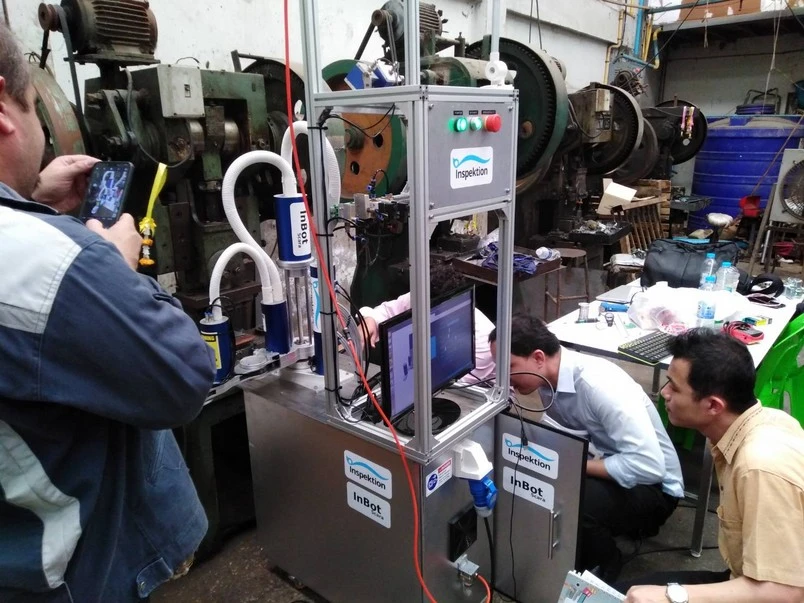
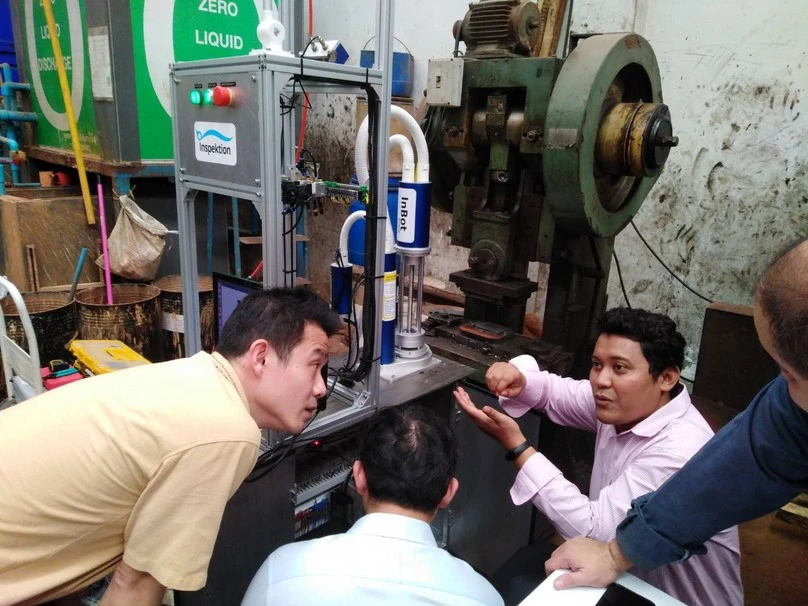
We teach at the actual equipment so users can connect explanations to real components and procedures. In 2018, we designed and built 1 prototype 4-axis SCARA robot arm for a Thai government technology import-substitution programme. We handed it over with operation and maintenance manuals and trained the participating company. It remains a prototype and has not picked parts on a live production line. We apply the same approach to your course: practical sessions with real equipment or data, plus documentation for use after training.
What to prepare for an assessment
- Topics of interest and participants' prior knowledge
- Number of participants, suitable dates and training venue
Scope, schedule and pricing
Assessed from content, duration, participant numbers and equipment for practical exercises
Before work starts, our proposal sets out the schedule, inclusions, exclusions and costs. Additional work requires a joint scope assessment.
View deliverables ↓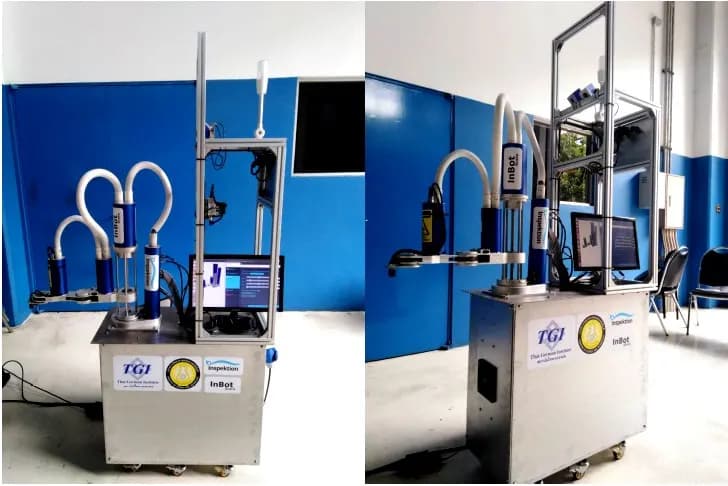
Technical capabilities we have developed
- AI for Industry programme — AI and Machine Learning foundations for executives and engineers
- Machine Learning workshop — Decision Tree, CNN and LSTM, with case studies and exercises
- UX/UI Design training — Figma, Atomic Design and Design System for software development teams
What you receive
- Course materials and slides tailored to participants’ work
- Worksheets or task cards for group exercises
- Participant materials
- Facilitator guide where included in the course scope
Suitable for: Production, engineering, quality or safety teams starting to use AI in daily work, seeking shared assessment tools such as ergonomic assessment, or learning to operate new equipment or systems independently.
Our process
Discuss your needs
Discuss participants' work, prior knowledge, group size and what the team should be able to do after training.
Tailor the course
Choose topics and examples from participants' industry and design practical worksheets.
Deliver training
Provide teaching and group exercises using real workplace problems, at your company or an agreed venue.
Follow-up
Provide a plan for the first two weeks and a results log so each department can record its own outcomes, within the course scope.
Frequently Asked Questions
Can you deliver in-house training at our factory?
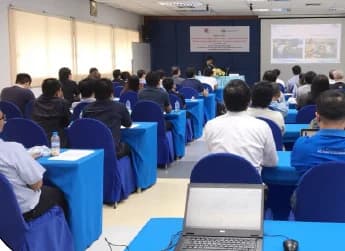
Yes. In-house training takes place at your company. We tailor the content and examples to participants' industry and use the organisation's real tasks for practical exercises.
What kinds of AI training has Inspektion delivered?
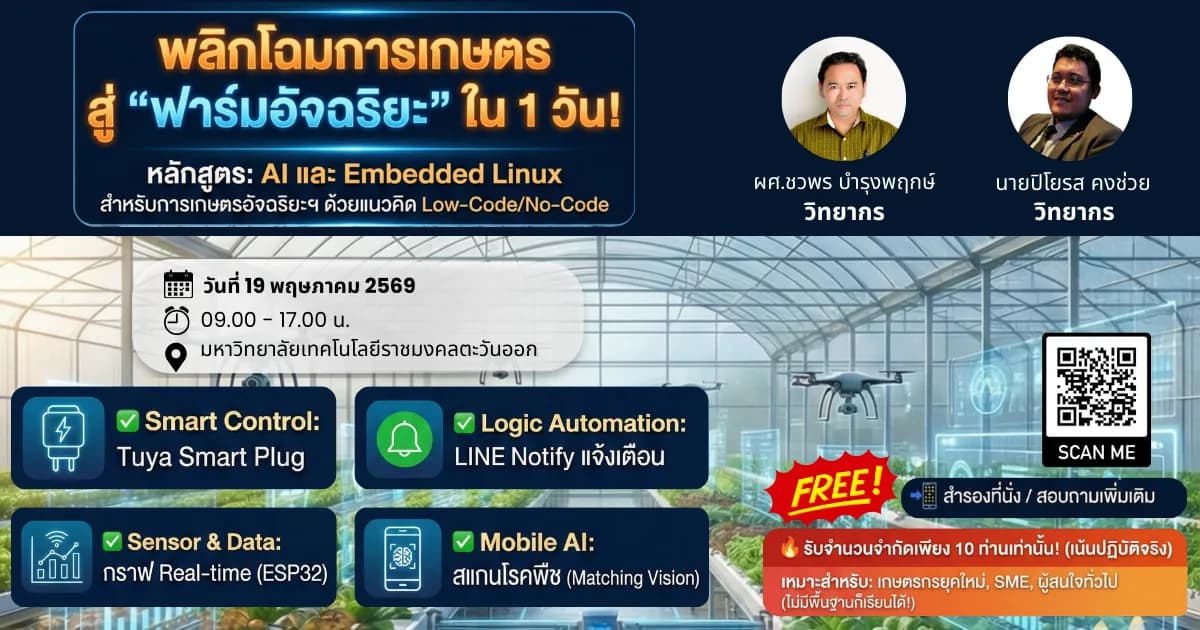
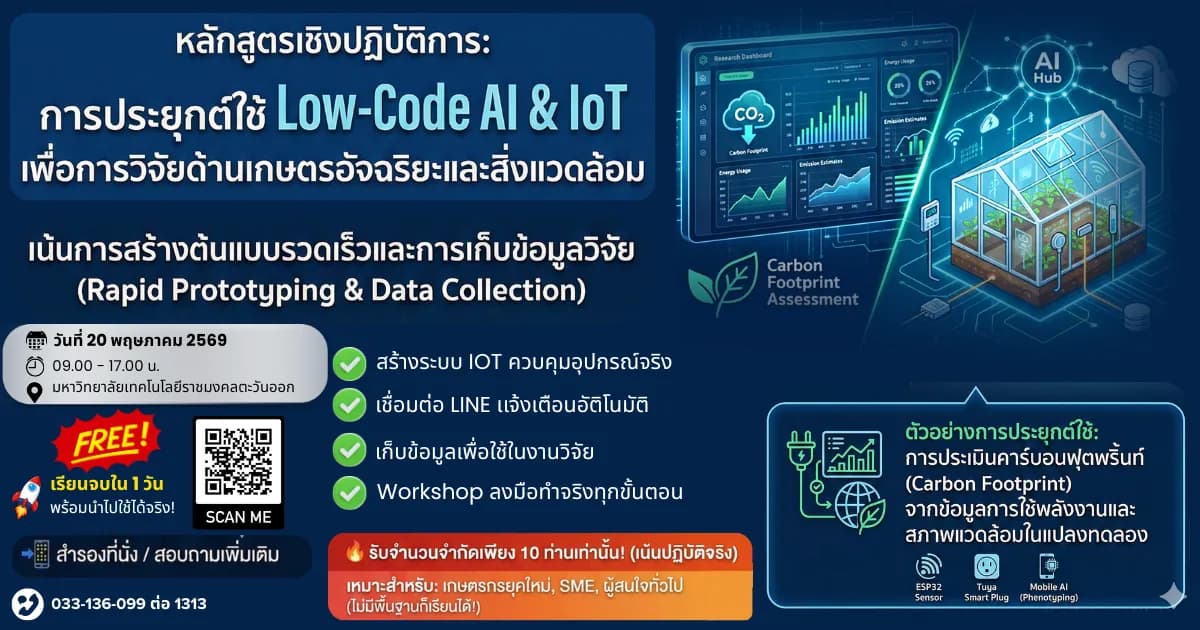
In 2026, we delivered a 60-minute practical AI session within a 1-day in-house AI course for a stainless-steel manufacturer in Thailand. The lesson was that training outcomes emerge afterwards and depend on each department's adoption. Participant materials therefore included a plan for the first two weeks and a log of time spent before and after using AI, for departments to record their own results.
How can an ergonomics workshop help factory teams?
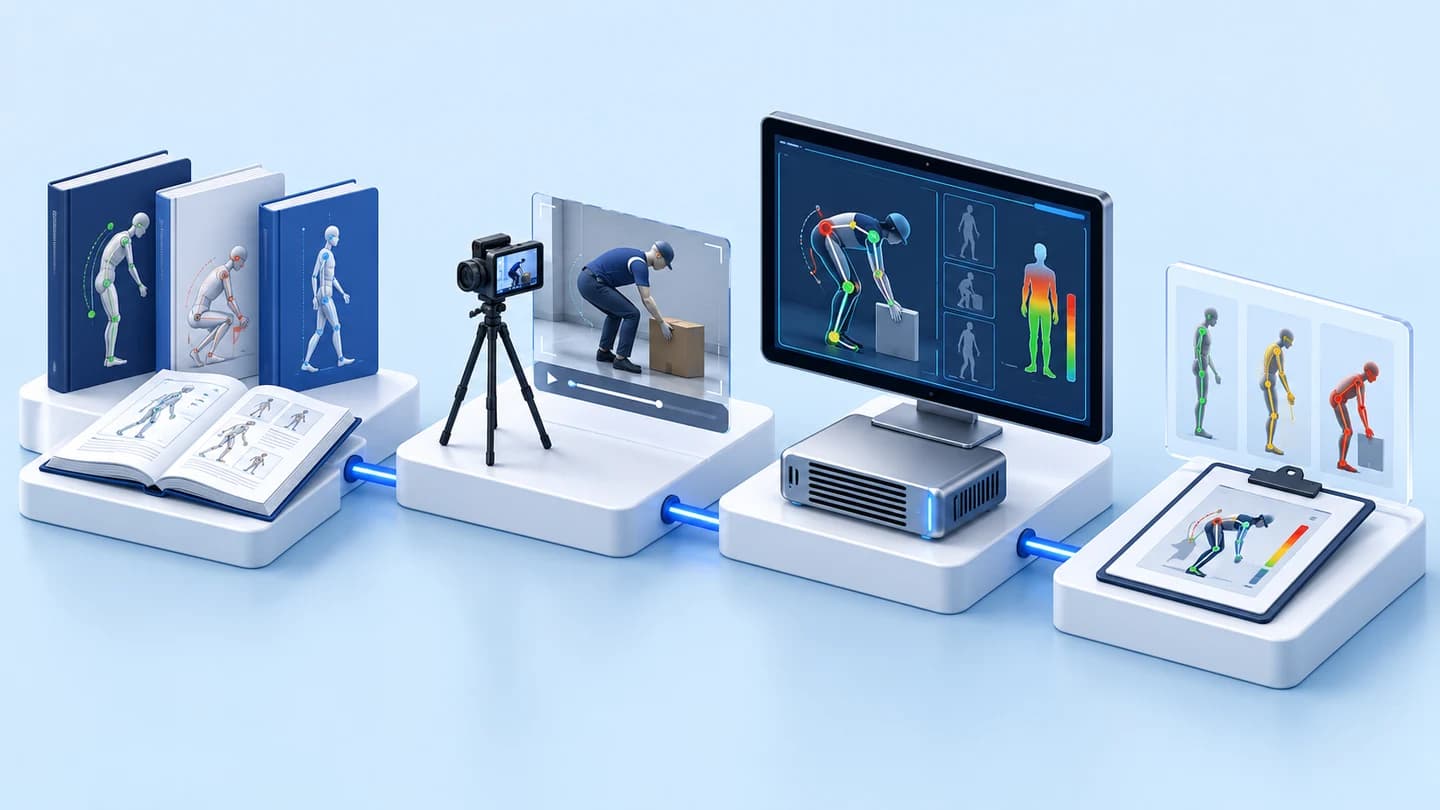
An ergonomics workshop — adapting work to the worker's body — helps teams prioritise risky tasks using shared criteria. In 2026, we ran a 1-day workshop for 5 factory groups. They learned RULA/REBA/NIOSH posture and lifting risk assessment tools, then mapped tasks onto a frequency-risk matrix. In one activity, groups gave different visual ratings to the same risky posture. Your team should therefore agree a common assessment tool before choosing tasks to improve.
Are course materials included?
Yes. The format is agreed for each course. Previous examples include slides, participant materials, departmental workshop worksheets, group task cards and facilitator guides.
Is it suitable for people with no AI background?
Yes. We ask about participants' background before training and adjust the level. In a previous in-house AI course, participants tried browser-based AI chat without needing to write code.
When is training not a suitable option?
Training is not suitable if you require the instructor to promise measurable results afterwards. Our previous training has no post-training measurements that we can cite. We can provide an adoption plan and a results log so your organisation can measure its own outcomes.