




Low-Code AI & IoT course for agricultural research
Inspektion engineering team · Published 7 September 2026 · Last updated 18 October 2026
Main course topics according to the announcement of the second day of the Eastern Institute of Technology, focusing on quickly creating IoT prototypes to collect research data and evaluate carbon footprint in experimental plots
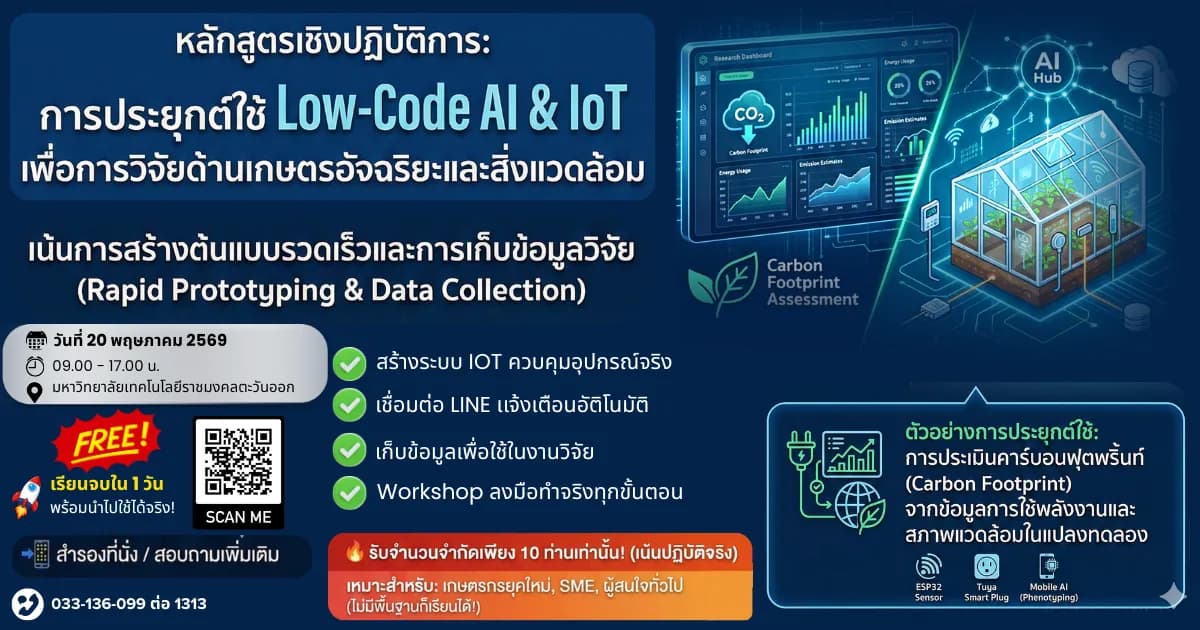 Image: Inspektion
Summary
- Announced to take place on 20 May 2026 at Rajamangala University of Technology Tawan-ok, following on from the first-day workshop, and limited to 10 participants
- Focuses on building prototypes quickly (Rapid Prototyping) and collecting data for use in research
- The poster gives one example application: assessing carbon footprint from energy use and environmental data in the experimental plot
- Suited to agricultural and environmental researchers who want to collect field data without relying on a software development team
What is this event?
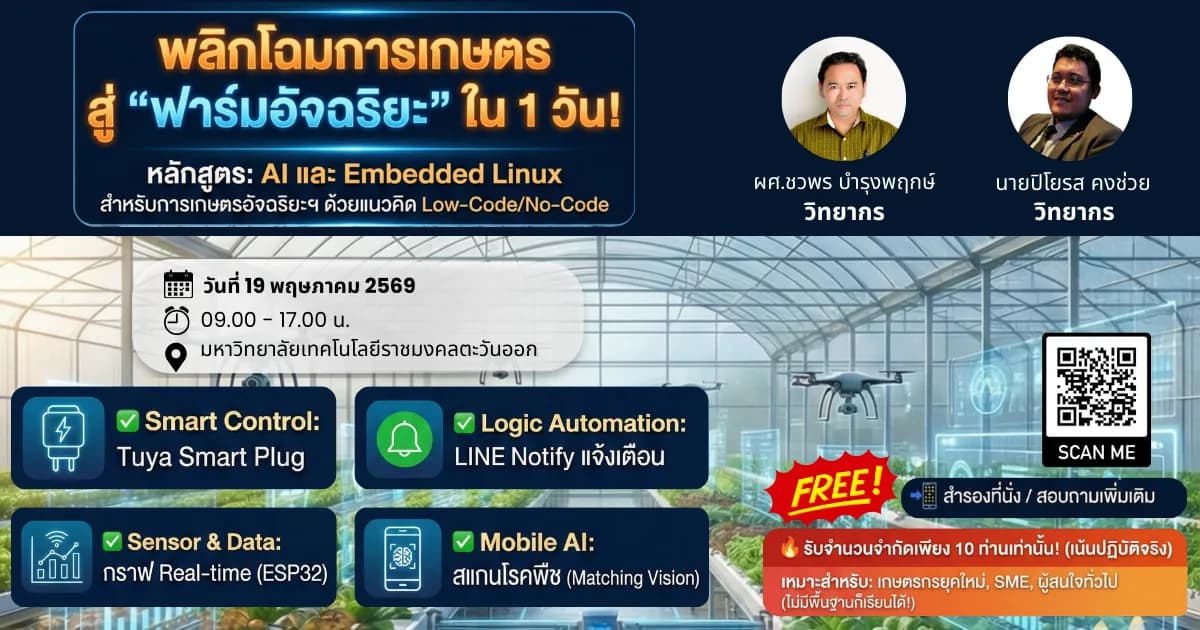
The hands-on course "Applying Low-Code AI & IoT to Smart Agriculture and Environmental Research" was announced to take place on 20 May 2026, 09.00–17.00, at Rajamangala University of Technology Tawan-ok, following on from the smart farm workshop the day before (read the first-day course topics). It focuses on having participants build an IoT system that controls real devices in an experimental plot, in order to collect research data.
Workshop content
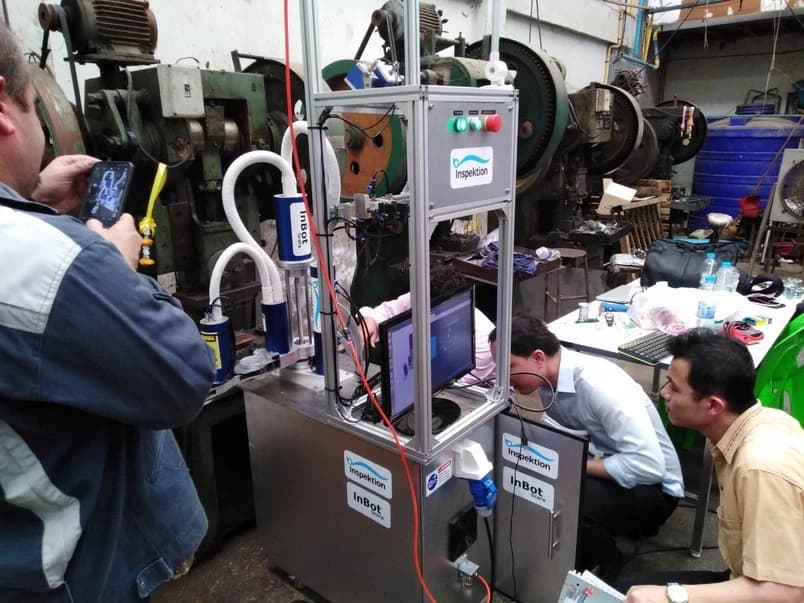
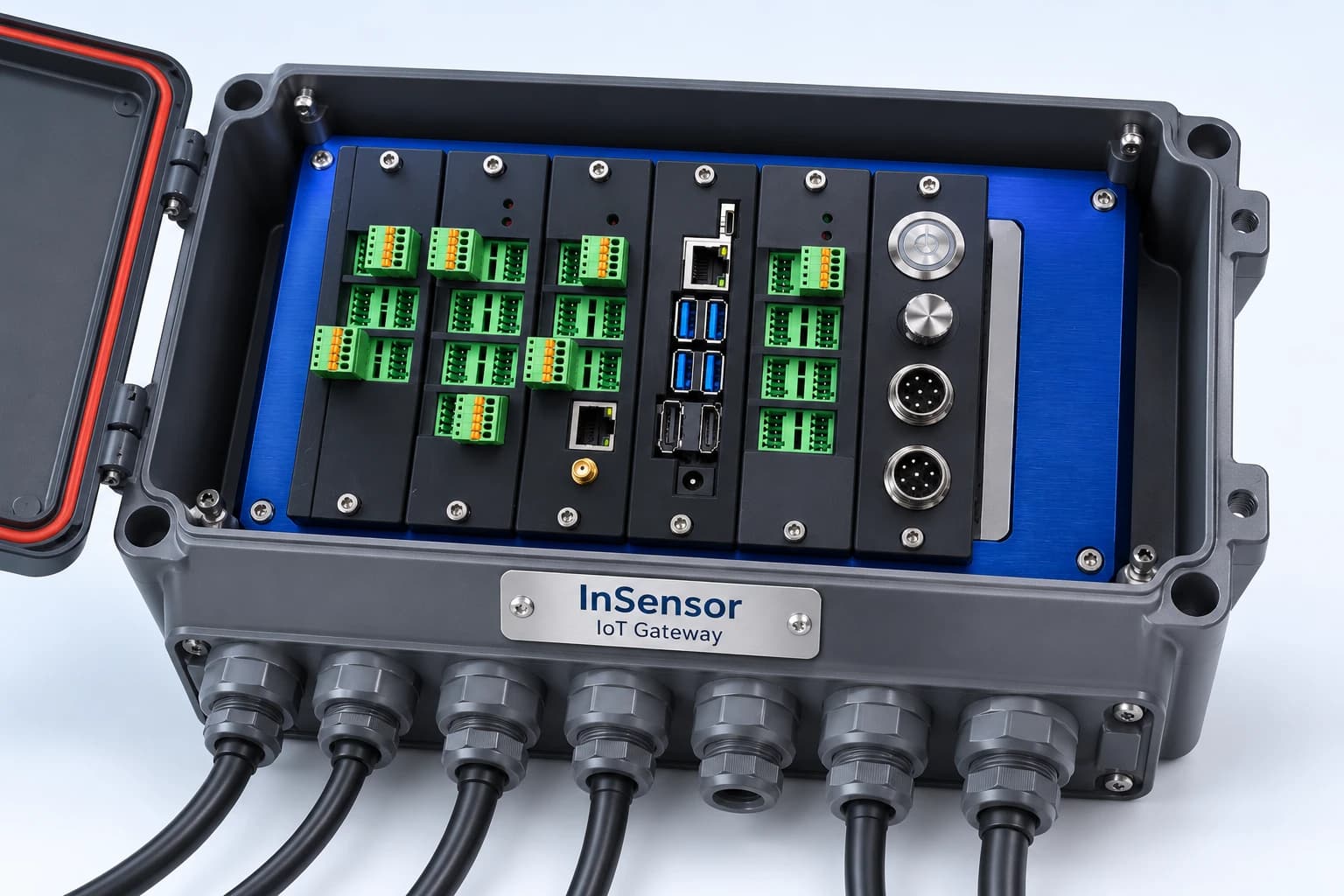
- Build an IoT system that controls real devices in an experimental plot
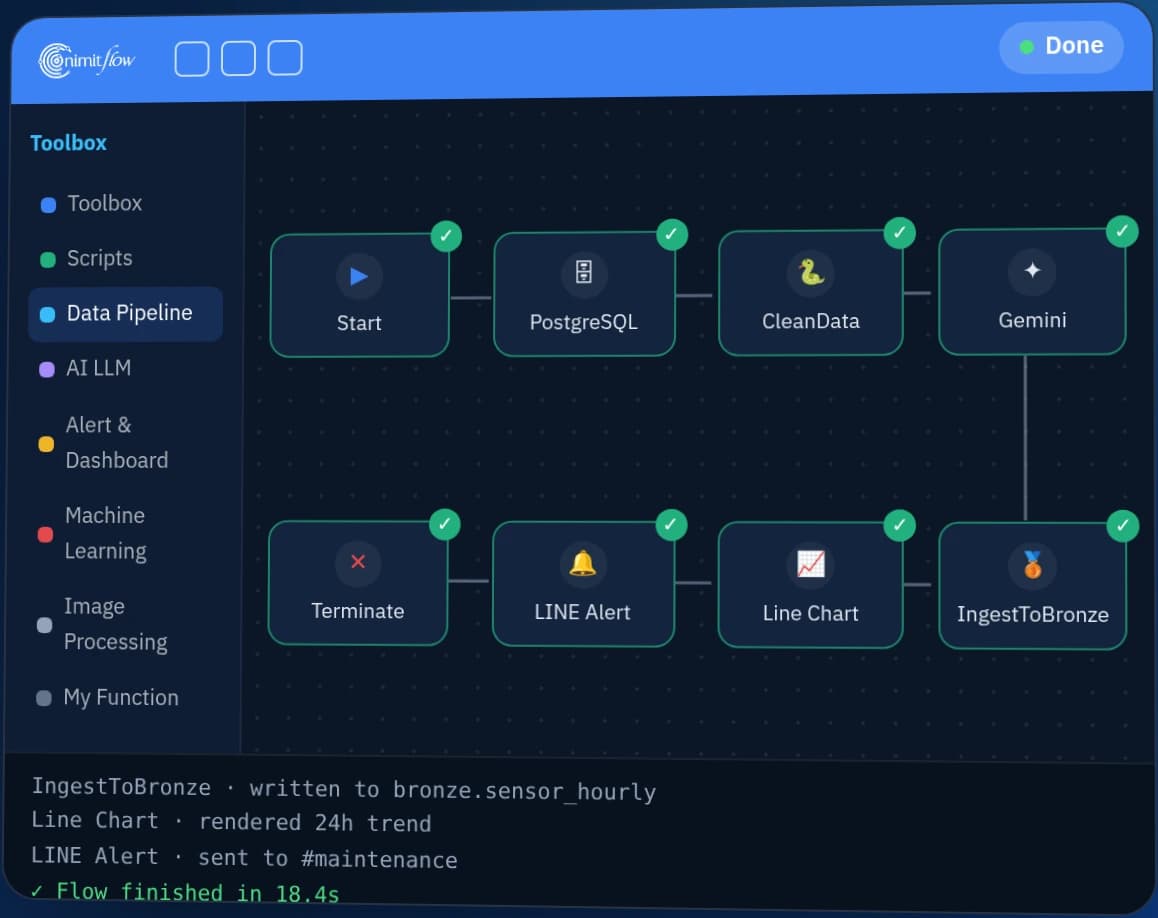
- Connect automatic alerts through LINE
- Collect data systematically for use in research
- Example application: assessing carbon footprint from energy use and environmental data in the experimental plot
Why this kind of data collection matters for research
Agricultural and environmental research often requires field data to be collected continuously over long periods. An IoT system that researchers can build and customise themselves using a Low-Code/No-Code approach reduces reliance on software development teams, and makes it quick to change data collection points or measurement conditions to suit the needs of each research project.
How you can build on it
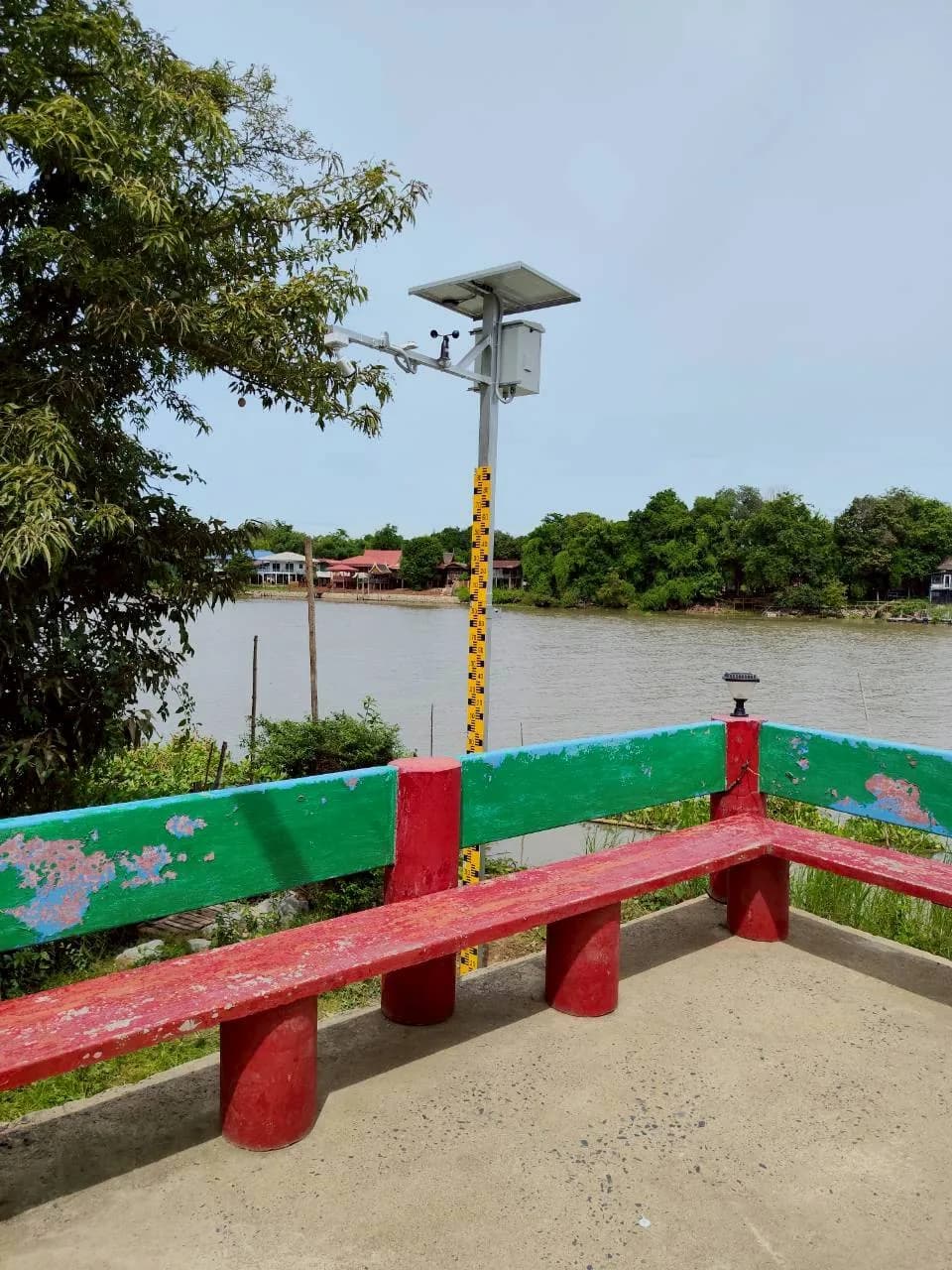
The approach to field data collection and automatic alerts in this workshop follows the same principle we use to develop nimitFlow, a Low-Code platform for connecting data from machines and field devices, and the DoRare water-level stations in real use in a water-level monitoring project across 4 provinces.
Frequently Asked Questions
How does this course differ from the first day?
The first day focuses on the basics of controlling devices and sensors. This second day focuses on building prototypes quickly to collect research data, and on examples of further analysis, such as carbon footprint assessment.
Do I need to attend the first day before joining this one?
The content follows on from the first day, but seats are limited in each session. Please ask the team for details of the next session.
Can the collected data be used with other analysis software?
Yes — the system is designed to export data in formats that can be used with other analysis tools, as appropriate for each research project.
References
- [1]
Rajamangala University of Technology Tawan-ok — Rajamangala University of Technology Tawan-ok
- [2]
Thailand Greenhouse Gas Management Organization (TGO) — Thailand Greenhouse Gas Management Organization (Public Organization)
- [3]
ESP32 Series Datasheet — Espressif Systems