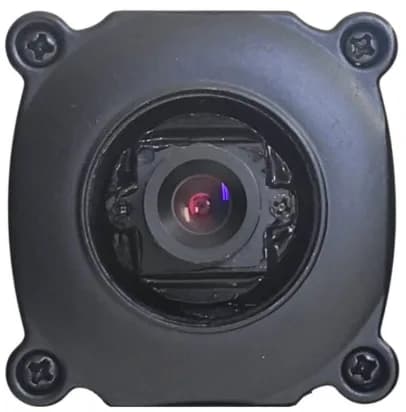





Machine Vision vs AI Vision: which suits your factory?
Inspektion engineering team · Published 18 November 2026 · Last updated 18 November 2026
Compare image-processing rules and AI models for inspection and counting, with camera choices, preparation and tests before installation.
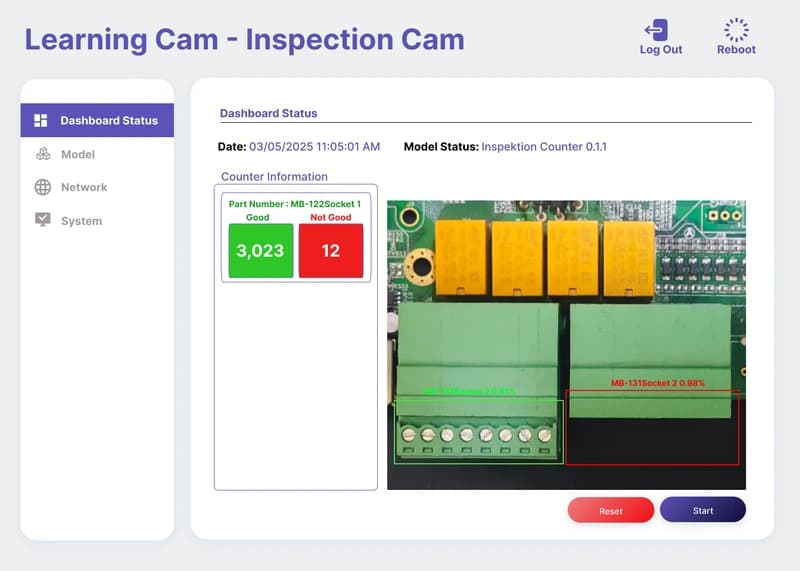 Image: Inspektion
Summary
- Machine Vision uses images to inspect or control work. AI Vision analyzes images with models learned from data. The two can work together.
- Start with the task, lighting and image quality before choosing processing rules or an AI model.
- Quality inspection must measure defective parts accepted and good parts rejected. Counting must check missed and duplicate counts.
Machine Vision and AI Vision can work together
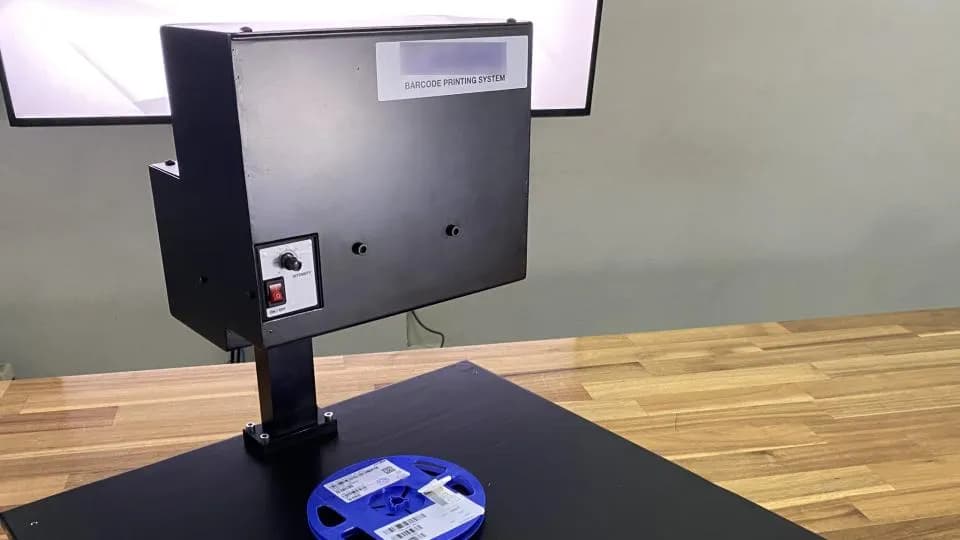
Machine Vision combines cameras, lenses, lighting, software and process integration. Image analysis can use defined rules, such as edges, shapes or color levels, or AI models learned from examples. One system can therefore use both approaches. [1][2][3]
The difference is how image criteria are defined
| What to consider | Image-processing rules | AI model |
|---|---|---|
| Preparation | Define features and criteria such as edges, colors or dimensions | Prepare sample images and labels for the training method |
| Tasks to start testing | Consistent shapes and imaging conditions with clear criteria | Patterns vary too much to cover easily with rules |
| When parts change | Review rules and settings | Review new data, update the model and retest |
| Shared requirements | Images showing the target clearly and a reference test set | Images showing the target clearly and a reference test set |
This table helps select a starting approach; it does not guarantee that one is always faster or more accurate. Both rules and models need testing with real parts. Reflections, occlusion and blur also need to be addressed in image capture.
Choose by the result your process needs
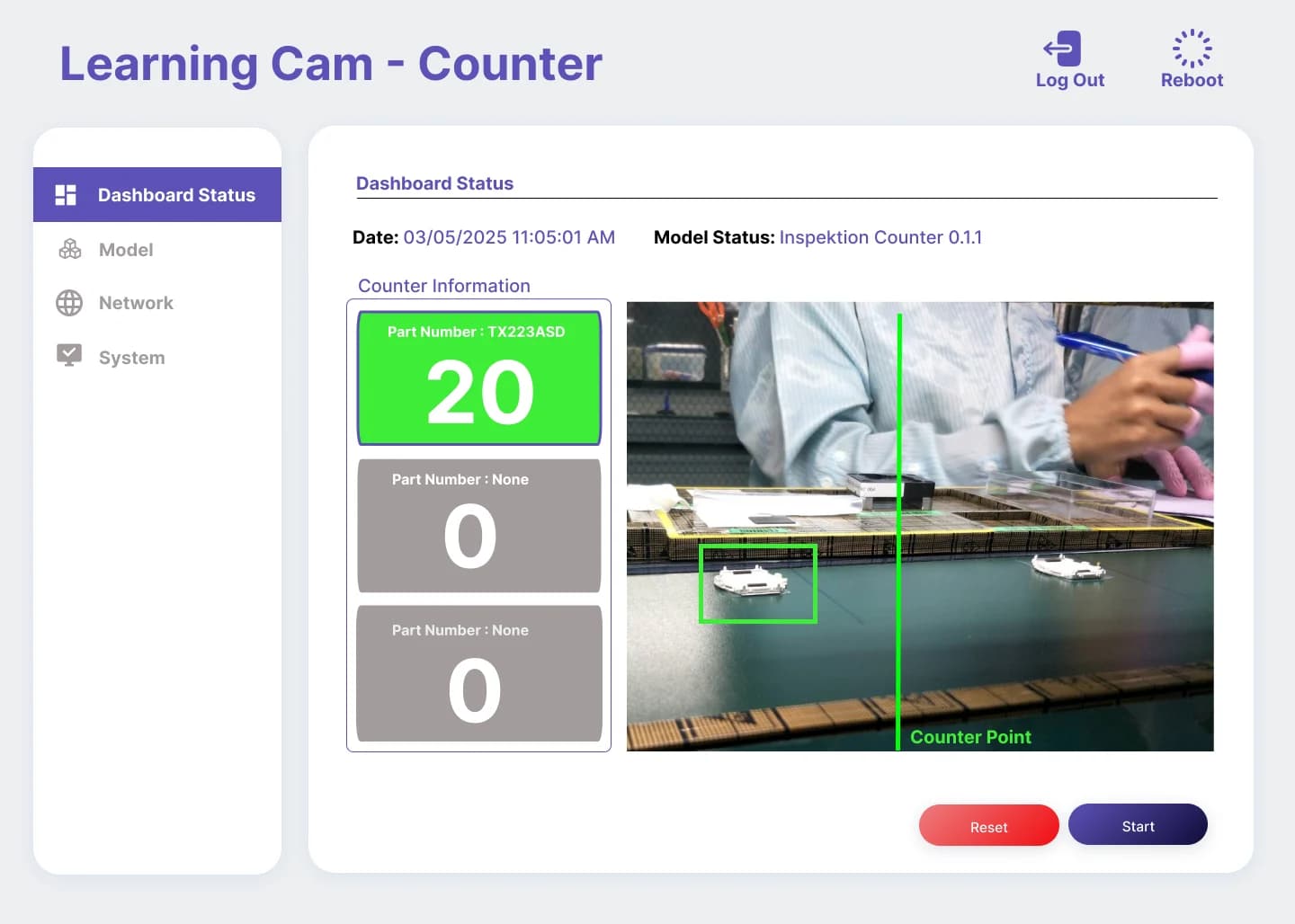
- For quantity: define whether to count parts crossing a point or every part in an image, then check duplicates and misses.
- For quality: specify defects or required components and OK/NG criteria agreed by the quality team.
- For text reading: specify character formats, surfaces and handling of unreadable results before evaluating OCR.
- For measurement: specify acceptable tolerance and calibration. An object-detection box is not automatically a measuring instrument.
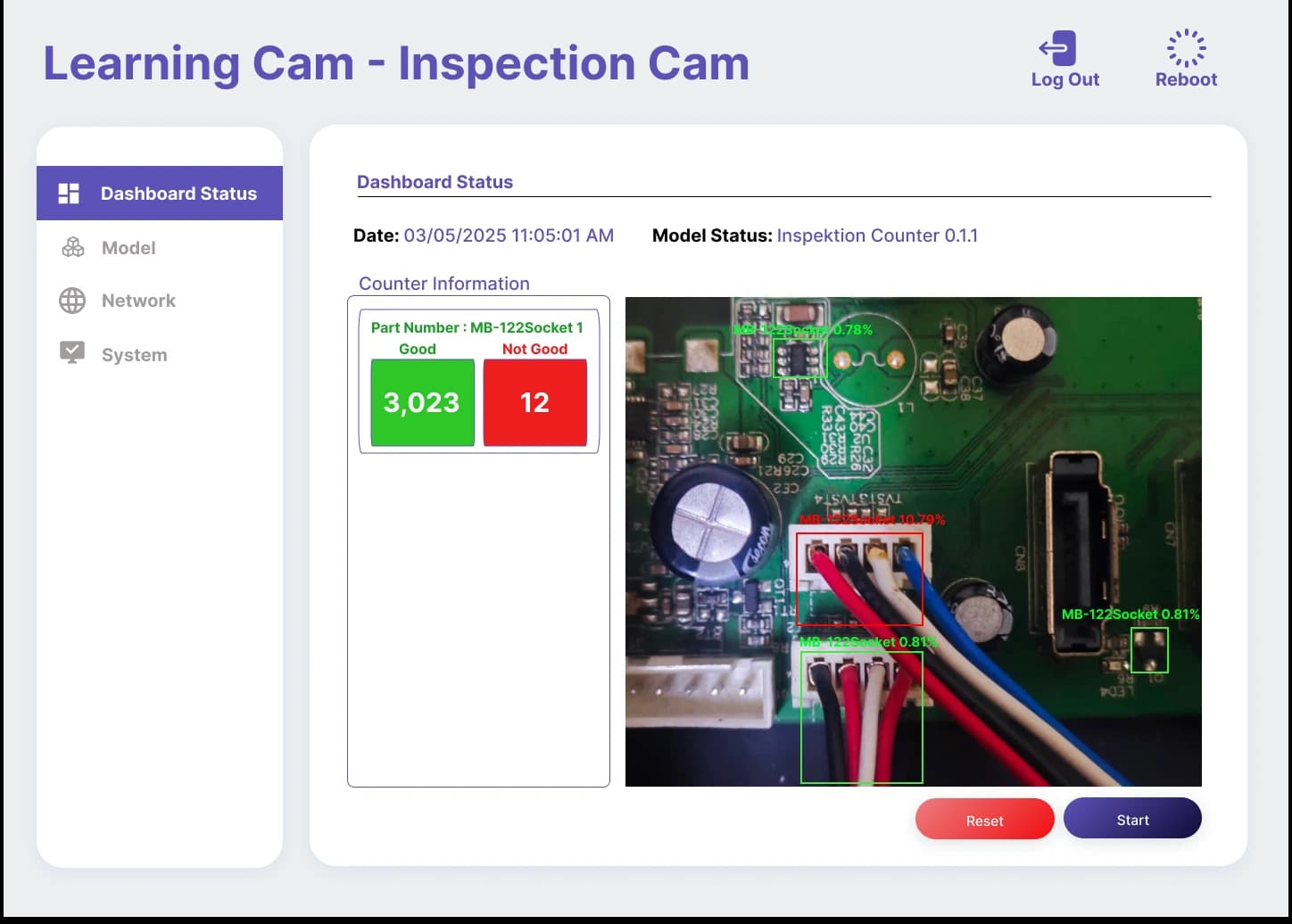
For onboard processing, see Counter Cam for counting and Inspection Cam for part inspection and OK/NG results. Label reading has a dedicated OCR service. For multiple cameras or reject mechanisms, start with system design.
What to prepare before buying
- Real images or clips with part types, sizes, colors and examples of acceptable and unacceptable conditions
- Line speed, part spacing, installation space, lighting, and stopping or movement timing
- Required outputs, receiving systems and measurable acceptance criteria
- Owners for part changes, result checks and maintenance after installation
Start with a clearly scoped test point. Compare results with reference data and agree on handling uncertain results before expanding the line. Read more in Vision Counting and AI Vision Inspection.
Frequently Asked Questions
Is AI Vision always better than rule-based Machine Vision?
Not always. Rules may suffice when images and criteria are consistent. Compare test results and maintenance requirements for the task, rather than choosing by the AI label alone.
Can inspection start as soon as a camera is purchased?
Install the camera so parts are clearly visible, select rules or a model, and validate against the criteria before use. A camera alone does not guarantee inspection of every part.
Must images be sent to the cloud to use AI?
It depends on the system design. Edge AI cameras can process on the device, while model training and history storage may use separate systems. Define data flows and permissions from the start.
References
- [1]
Cognex Deep Learning Documentation — Cognex (accessed 2026-11-18)
- [2]
OpenCV Tutorials: Image Processing and Deep Neural Networks — OpenCV (accessed 2026-11-18)
- [3]
Rule-Based vs. AI-Powered Machine Vision Tools — KEYENCE (accessed 2026-11-18)