




What makes AI Vision Inspection different from human eyes?
Inspektion engineering team · Published 7 September 2026 · Last updated 14 October 2026
Rewritten from the original article, first published May 2025
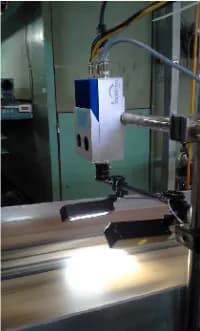
AI Vision Inspection uses cameras and AI models to inspect workpiece quality according to set criteria, must be tested with actual workpieces, lighting, and real speed before deploying in production lines
 Image: Inspektion
Summary
- AI Vision Inspection uses cameras to photograph workpieces and has AI analyse the images for defects or abnormalities, in place of the human eye
- The main difference is consistency — AI inspects every piece against the same criteria and does not tire as people do when working continuously through a whole shift
- It can be used in many industries, from automotive parts, tiles and packaging through to metal cans
- AI Vision does not replace people entirely — people are still needed to set inspection criteria, look after the system and decide borderline cases
What is AI Vision Inspection?
What is AI Vision Inspection?
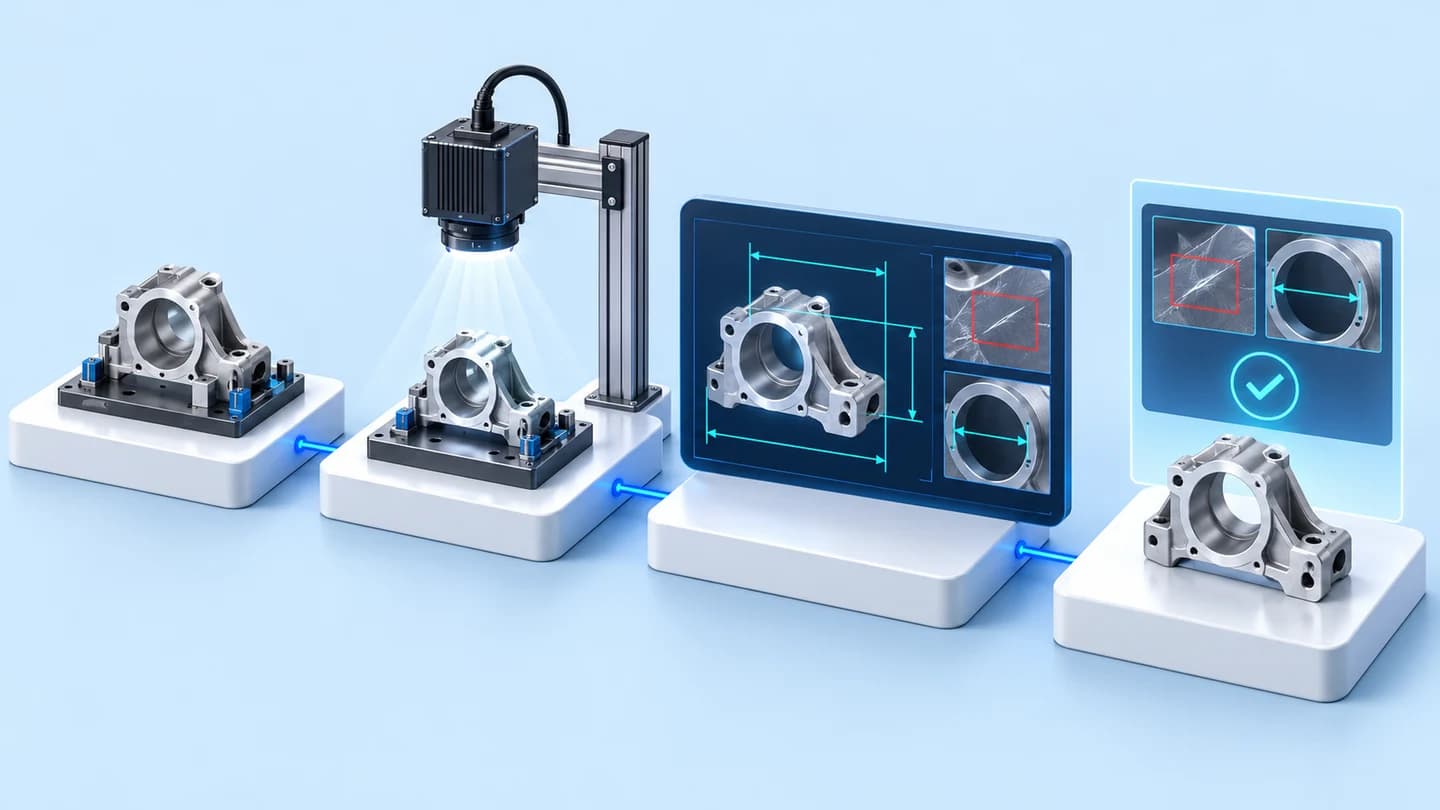
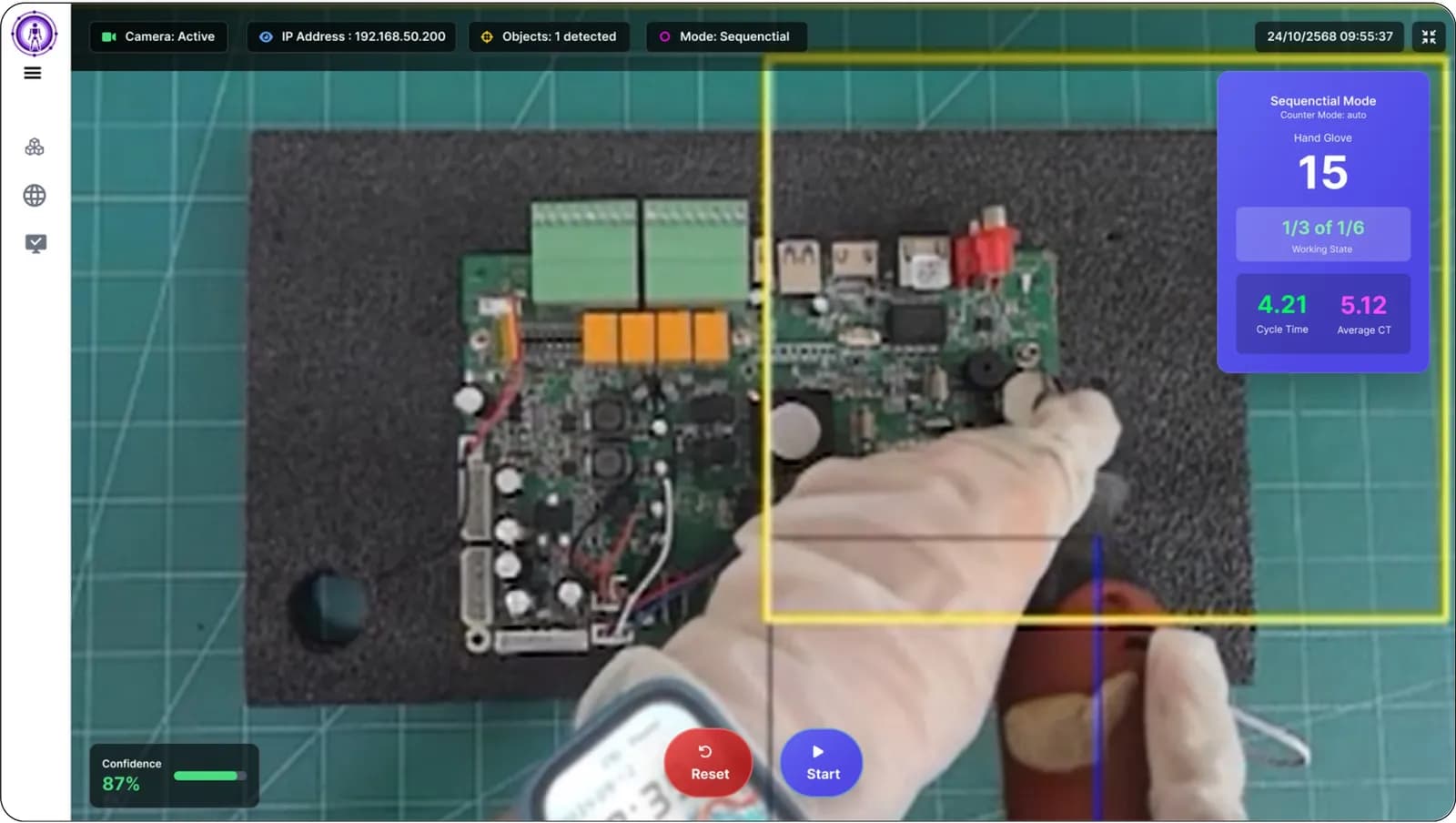
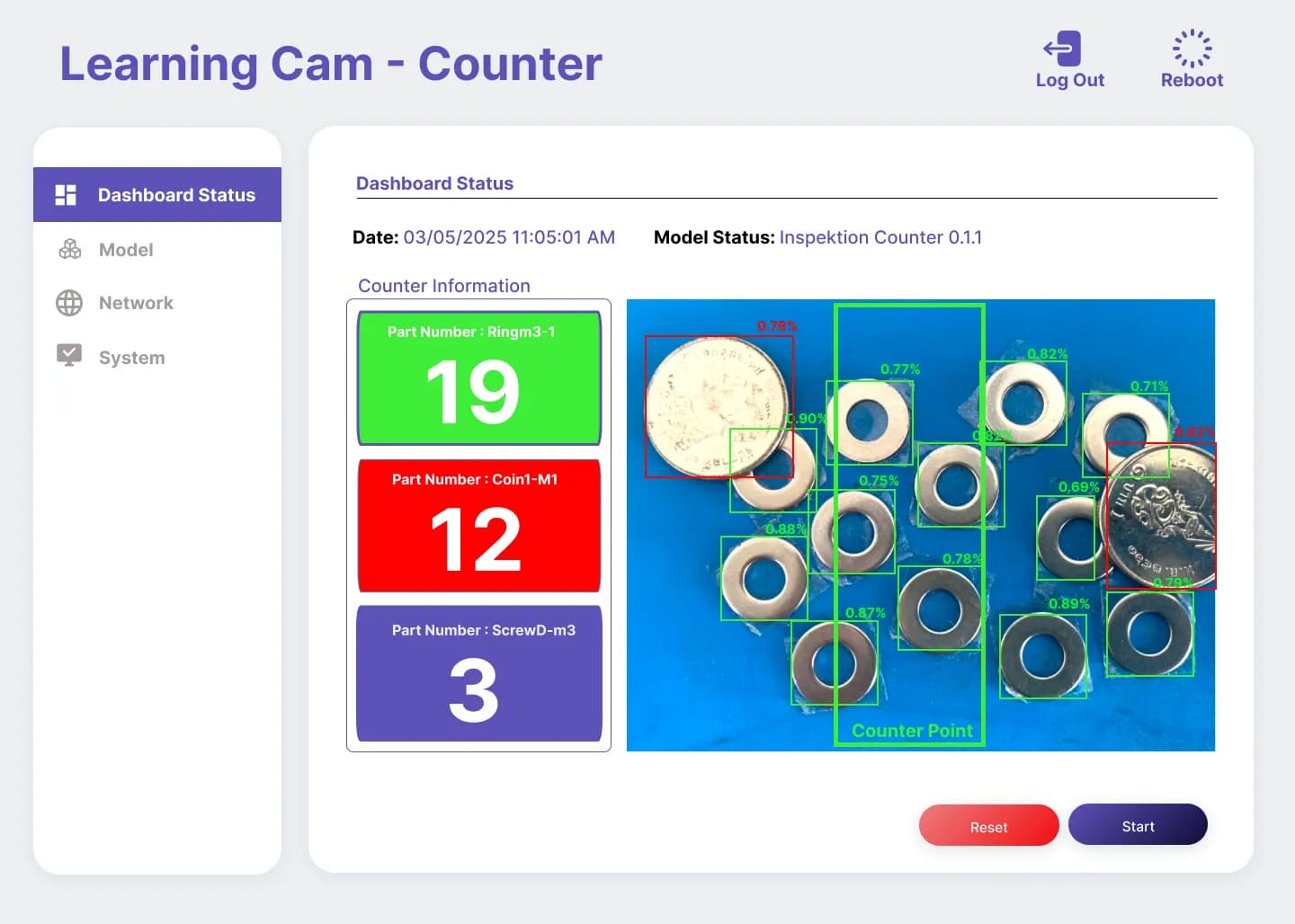
AI Vision Inspection is a quality inspection system that uses cameras to photograph workpieces and an AI program to analyse the images for defects, abnormalities or departures from specification, instead of having people inspect each piece by eye
How does it differ from human visual inspection?
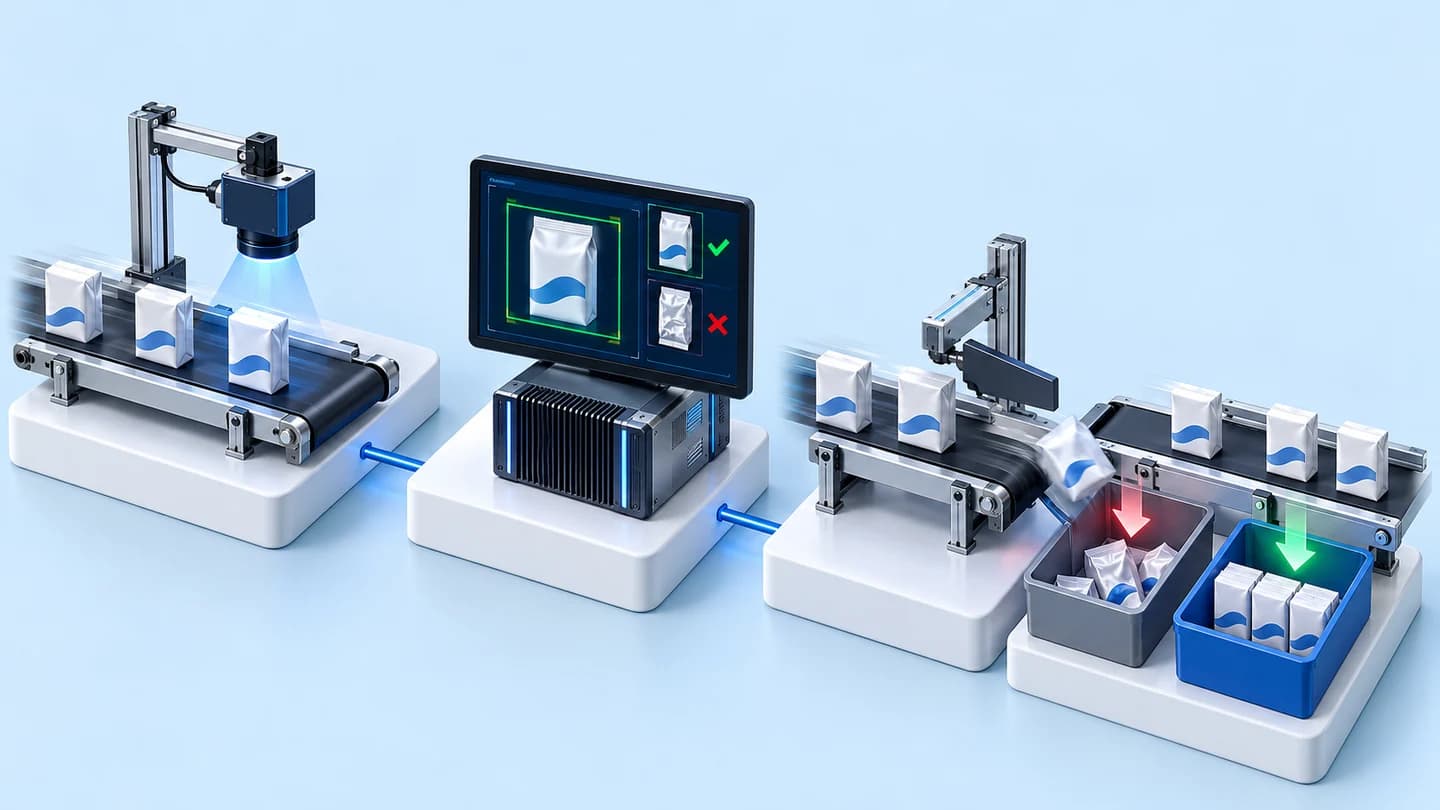
In manufacturing, quality inspection is one of the most important steps because it directly affects customer confidence and sales. The weakness of human visual inspection is fatigue during continuous work through a whole shift, which causes missed defects or slower checking as time passes, and results may vary from one member of staff to another. AI Vision Inspection applies the same inspection criteria to every workpiece throughout the shift, without fatigue. Speed and accuracy must still be tested, and a sorting mechanism must be designed if workpieces need to be removed from the line
How does AI inspect images for defects?
The system uses a Convolutional Neural Network (CNN), an architecture designed to suit image processing in particular [1] — it learns from large numbers of images of normal and defective workpieces until it can distinguish abnormal patterns (Anomaly Detection) in real images from the production floor [2]
- The same inspection criteria are used for every set of images, and accuracy is checked with samples that cover the real work
- Reduces the cost of defective goods that slip through to customers
- Raises inspection standards and builds customer confidence
Examples of our real work
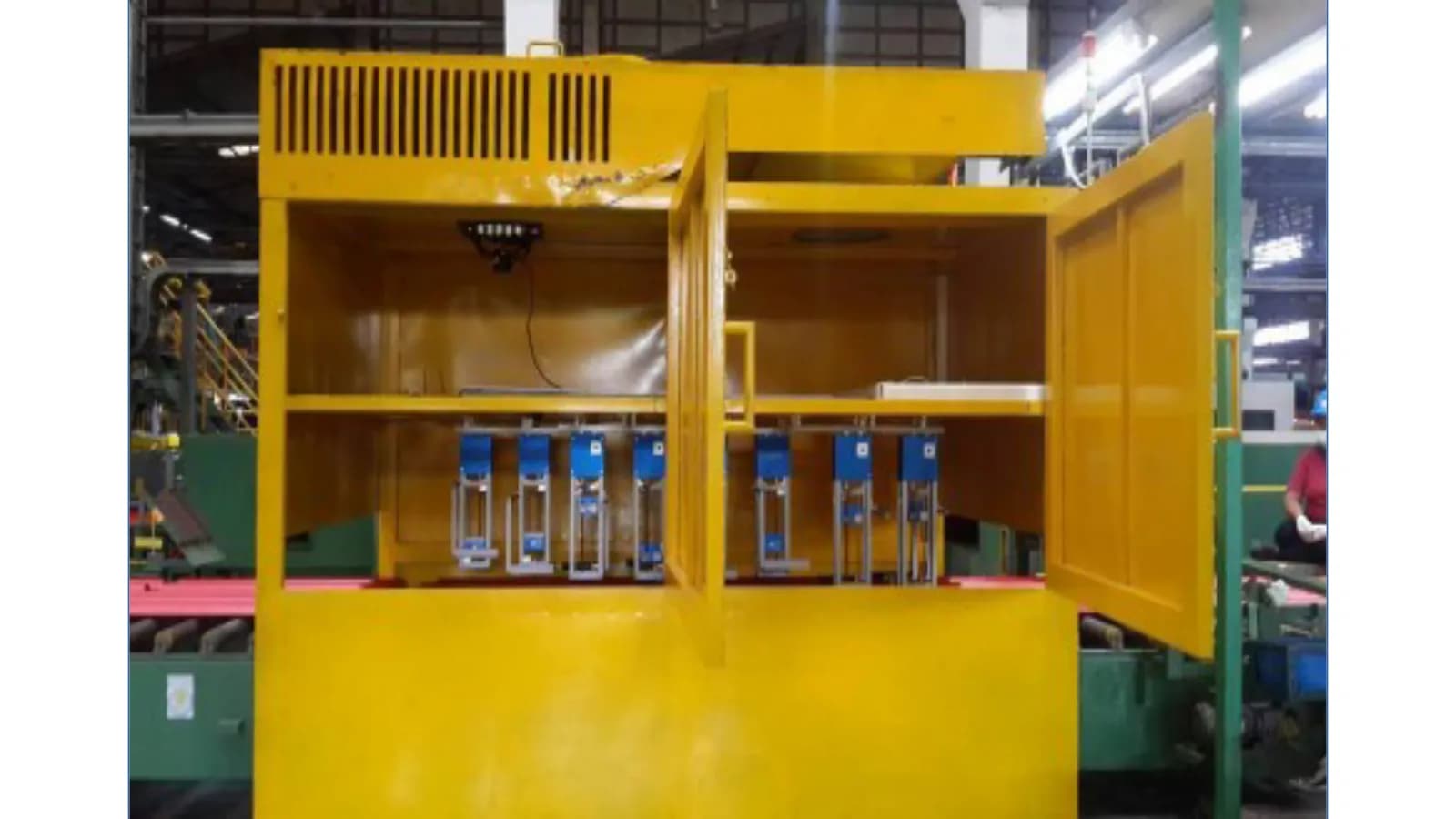
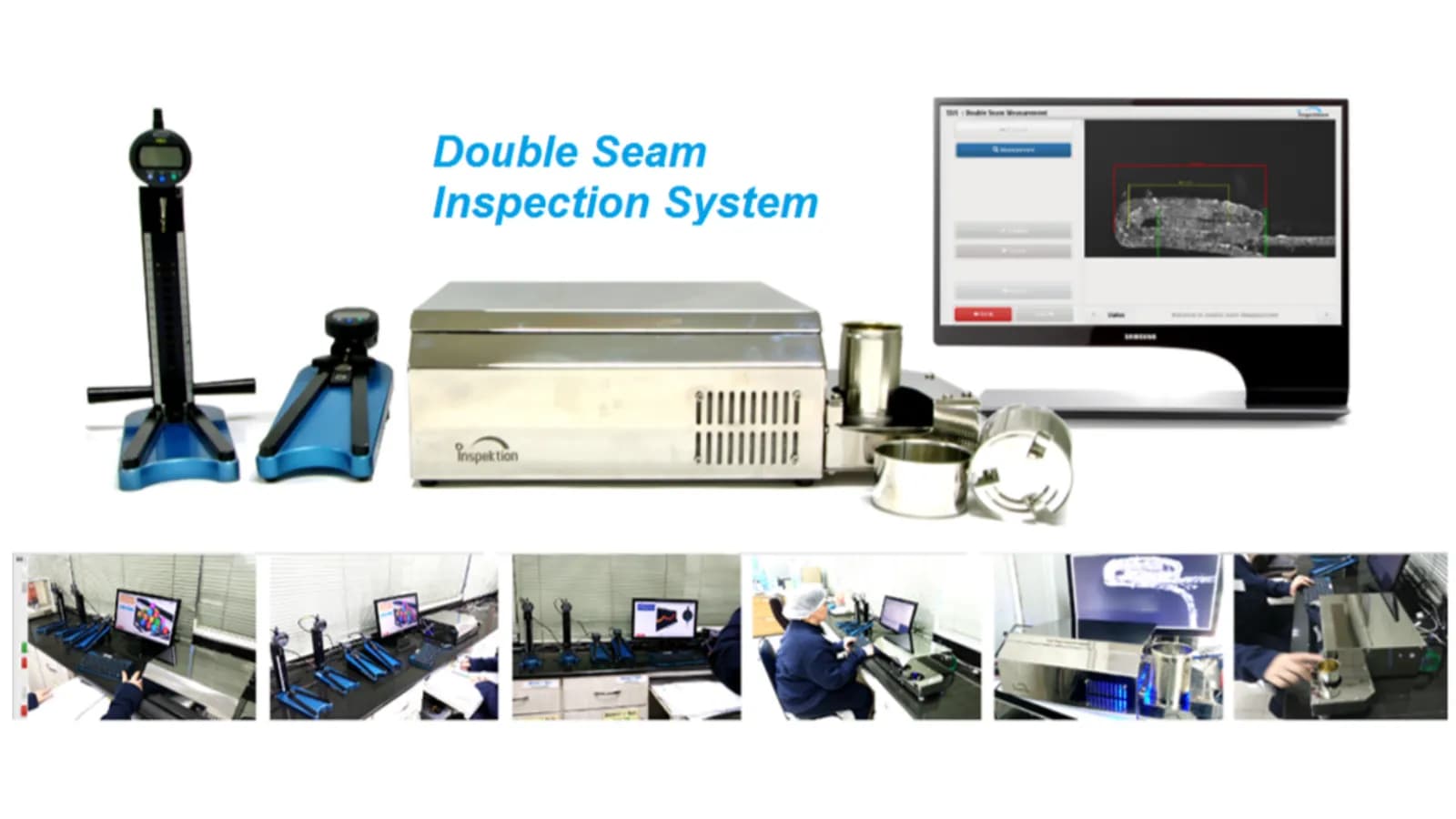
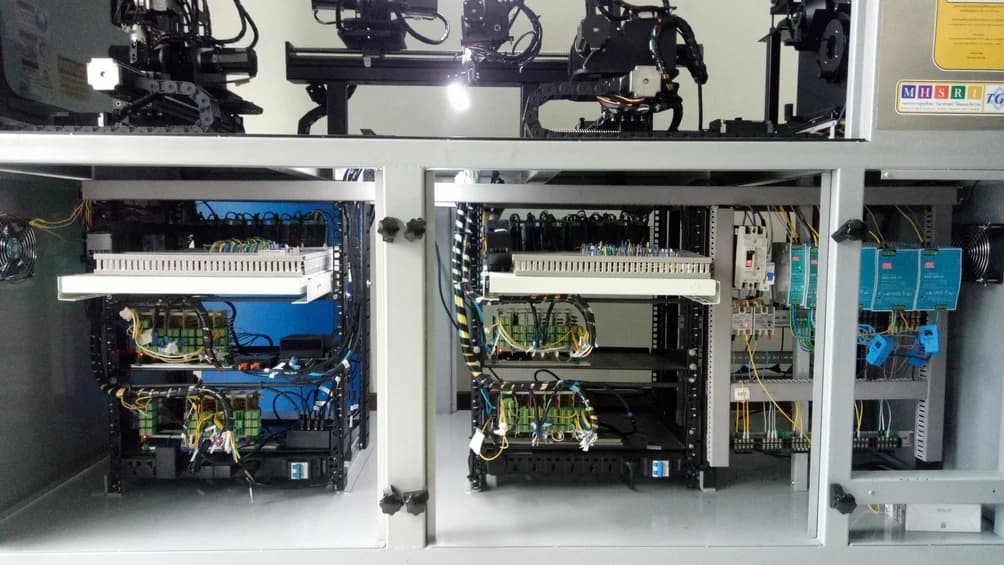
See prototype examples: AI checking that the parts in a tray are complete for an automotive plant (View case), ceramic tile inspection with Machine Vision (View case), packaging inspection on a consumer goods production line (View case), and the development of a Double Seam Inspection System to inspect metal can seams (View case)
Frequently Asked Questions
Can AI Vision Inspection replace inspection staff entirely?
Generally, people are still needed to look after the system, set inspection criteria and decide borderline cases where the system is not confident — AI helps to lighten repetitive inspection work that must be done continuously in large volumes; it does not replace people entirely
How many sample images of defective workpieces are needed before it can be used?
It depends on the complexity of the defects to be inspected. The team will assess this and collect sample images together with the customer before model development begins
Can it be used with dark-coloured or glossy workpieces?
Yes, but the lighting system must be designed to suit each type of workpiece surface. The team will test on site before the actual installation
References
- [1]
ImageNet Classification with Deep Convolutional Neural Networks — Communications of the ACM (Krizhevsky et al., 2017)
- [2]
Anomaly Detection: A Survey — ACM Computing Surveys (Chandola et al., 2009)
- [3]
OpenCV Documentation — OpenCV.org