




Preparing data before using AI to assist in production planning
Inspektion engineering team · Published 7 September 2026 · Last updated 18 October 2026
Rewritten from the original article, first published May 2025
AI may help forecast or propose production plans based on historical data, but it must start with reliable data, production constraints, and testing against the old planning method
Summary
- Production planning means managing the process from selecting raw materials through to delivering the goods.
- AI systems help to analyse data, forecast demand and automatically adjust plans to suit (optimisation).
- A planning system needs up-to-date data and the factory's rules, whether you start from Excel or specialist software.
- Helps to keep inventory stable, reducing the costs of excess stock or raw material shortages.
What is AI production planning?
What is AI production planning?
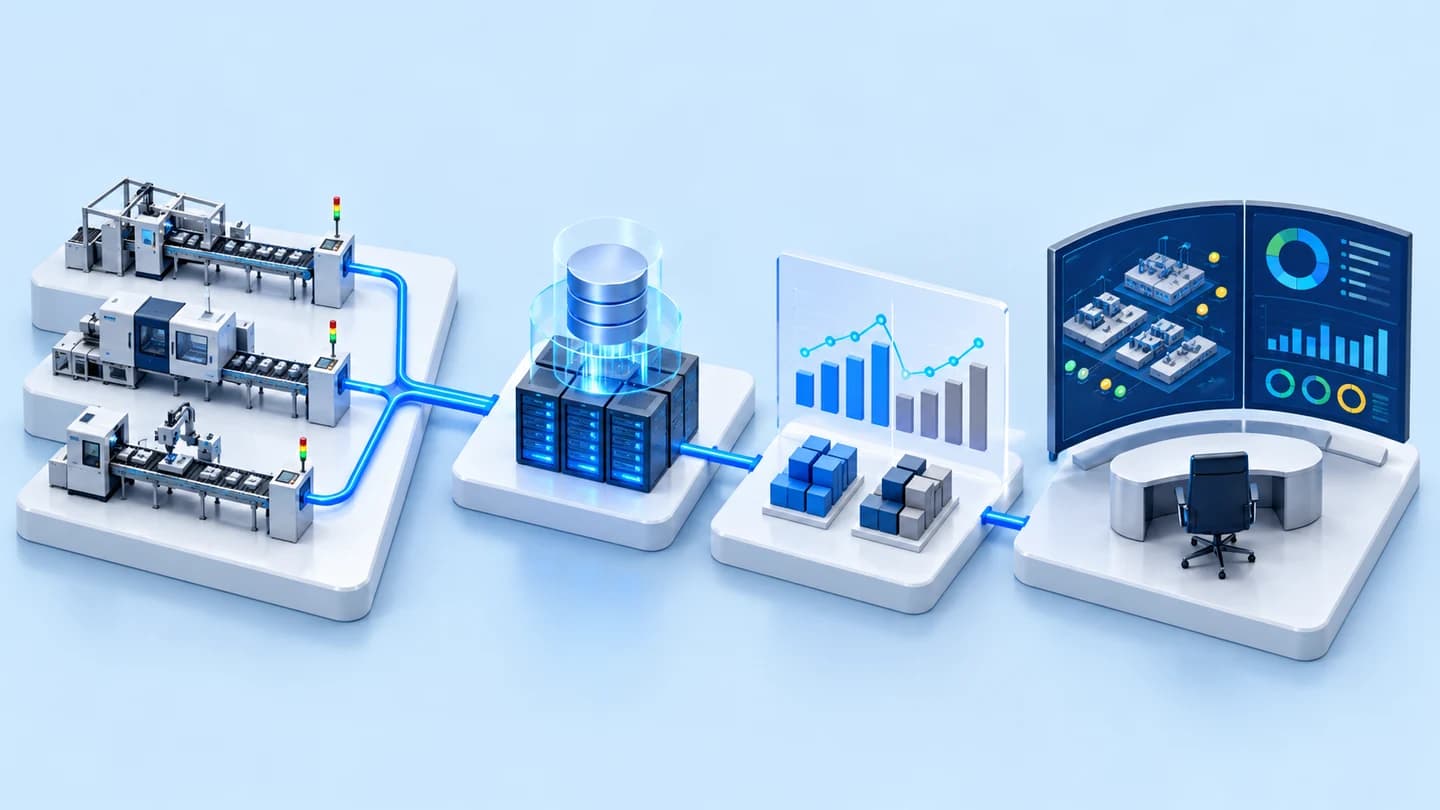
Production planning means managing the production process from selecting raw materials through to delivering the goods. AI systems help at this stage by analysing actual production data, forecasting demand and then automatically adjusting the plan to suit, instead of relying on spreadsheets that must be edited by hand every time the situation changes.
What AI systems do in production planning
- Analyse actual production data to find bottlenecks or losses
- Forecast demand in advance (see details in Trend forecasting with AI)
- Optimisation — arrange the work sequence or workforce to get the best value from resources
Stable inventory management
Inventory planning should consider demand, production capacity, procurement lead times and constraints together. If AI is added, its forecasts must be compared with actual data and the existing method before deciding to put it into use.
Examples of our real work
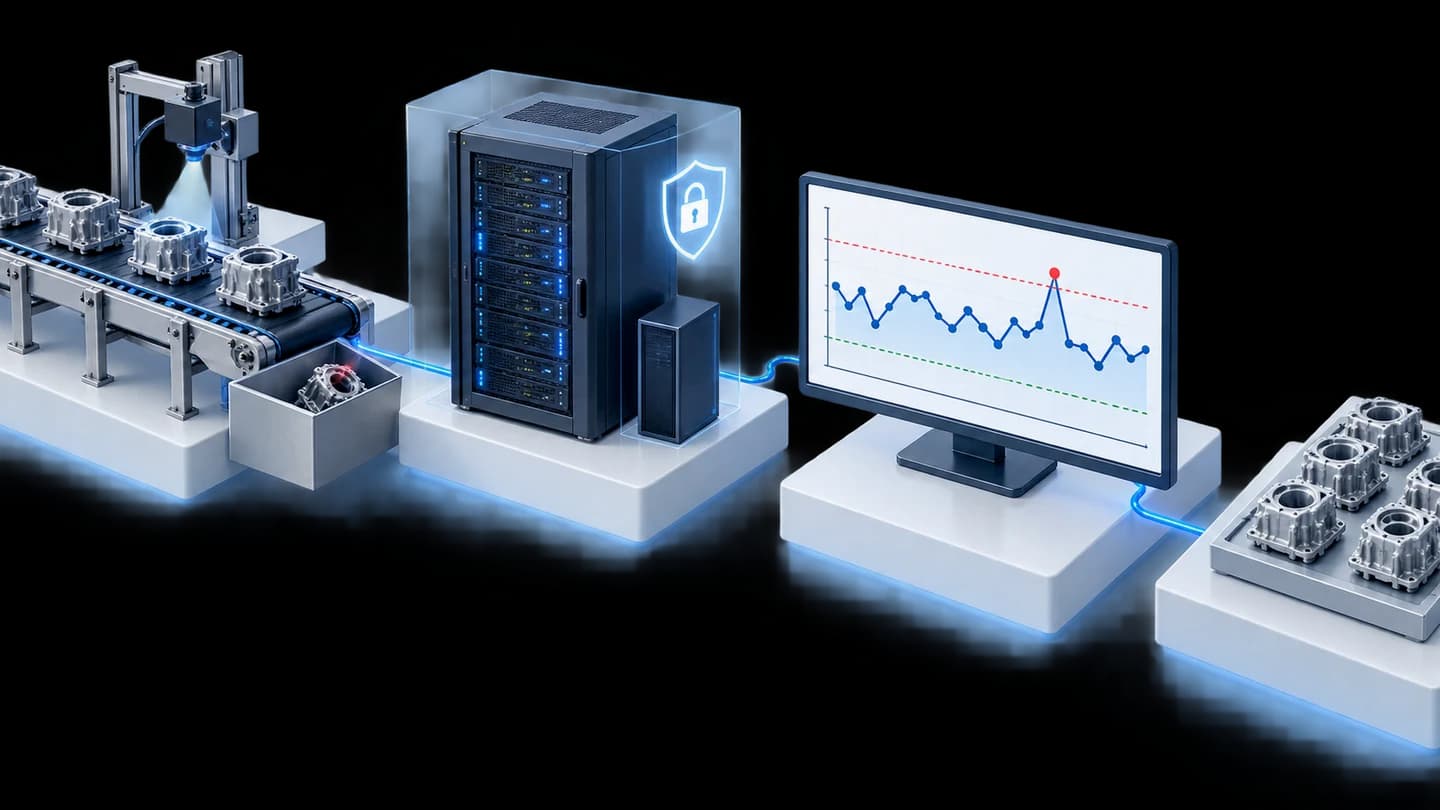
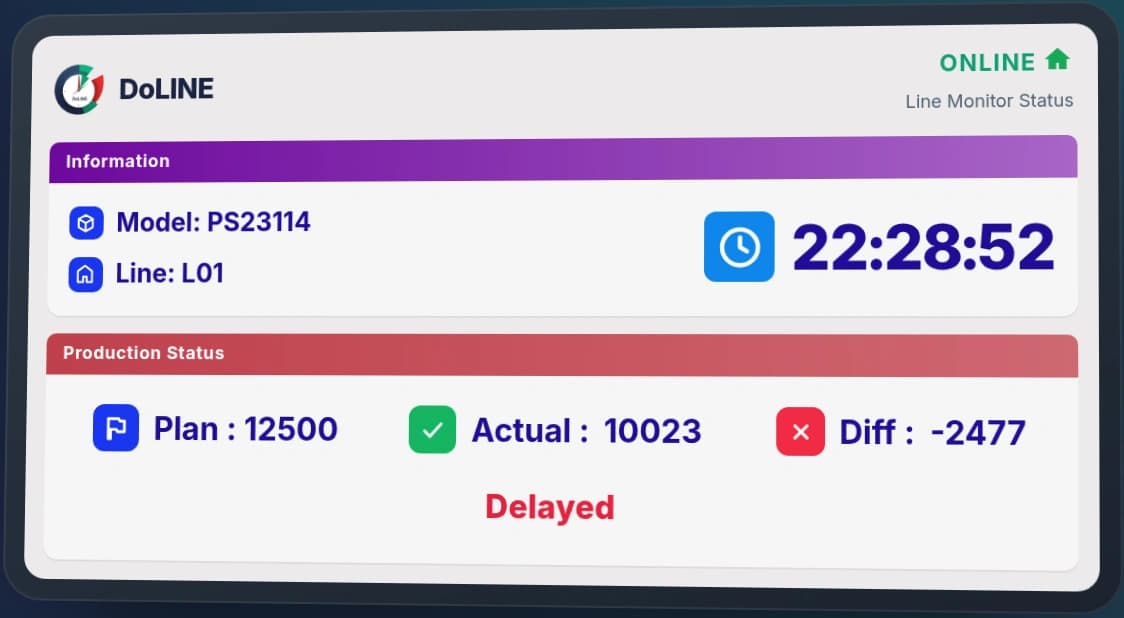
Related examples of data preparation are the workpiece counting system and daily plan-versus-output board, which reads the production plan from Excel and compares it with the counts from sensors, and the P-Chart system for tracking quality. Both projects are at the stage of collecting reliable plan, output and quality data, which must be done before using AI to help with production planning.
Frequently Asked Questions
How does it differ from existing ERP software?
ERP capabilities vary by version and module. Before adding AI, you should review which tasks the existing system can already do and which data can be connected.
What data is needed to get started?
You should have at least historical plan and production result data. The team will assess how ready the data is before the project starts.
Can it be used in a small factory?
Yes — the size of the system is adjusted to the complexity of the actual production process. It does not have to be a large factory.
References
- [1]
Forecasting: Principles and Practice (3rd ed.) — Hyndman & Athanasopoulos
- [2]
Reinforcement Learning: An Introduction (2nd ed.) — Sutton & Barto
- [3]
NIST SP 800-145: The NIST Definition of Cloud Computing — NIST