




FROM CHALLENGE TO DELIVERY
Connect Data and Develop AI for Organizations
Data integration and AI development combine an organisation's existing files and systems, structure and check the data, then develop dashboards, forecasting models or AI assistants for the task. Scope is based on the data actually available.
Suitable for: Organisations with data spread across files or systems, needing to open reports separately for KPIs, predict anomalies or search existing reports with AI.
Work Illustration
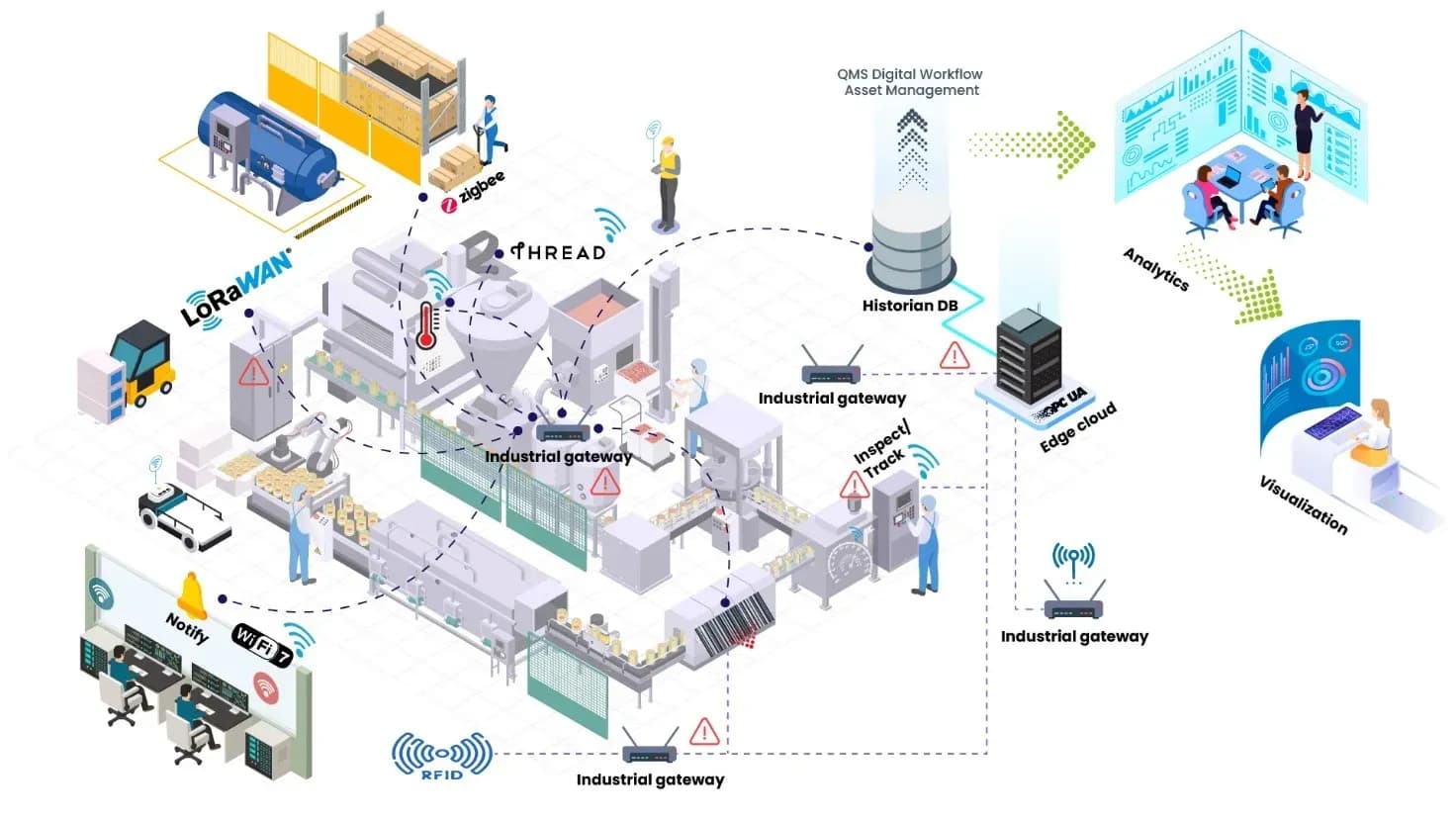
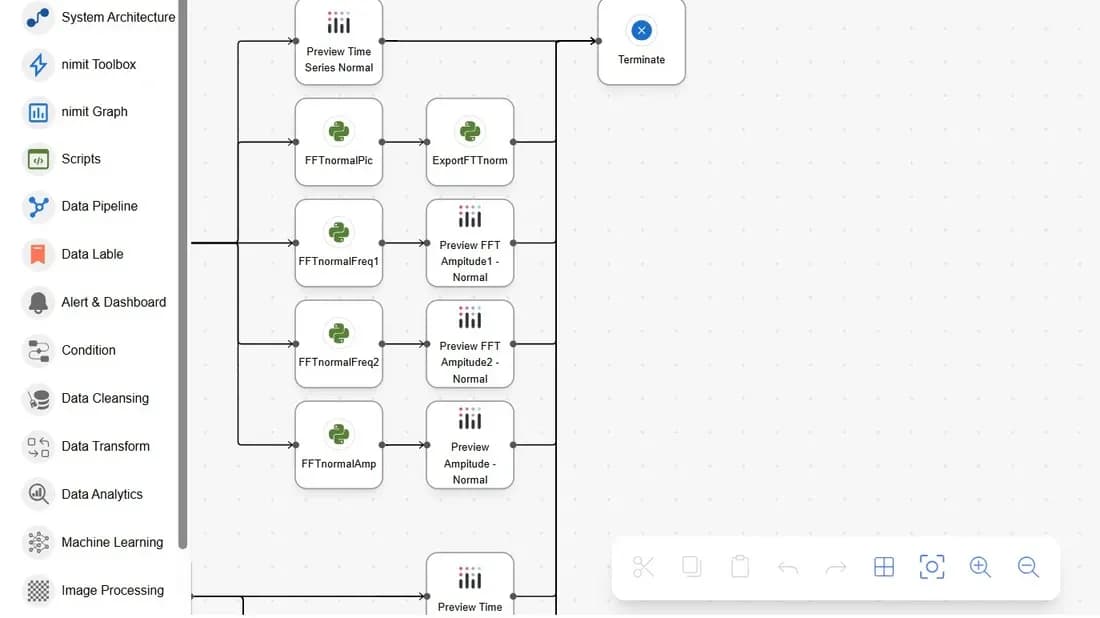
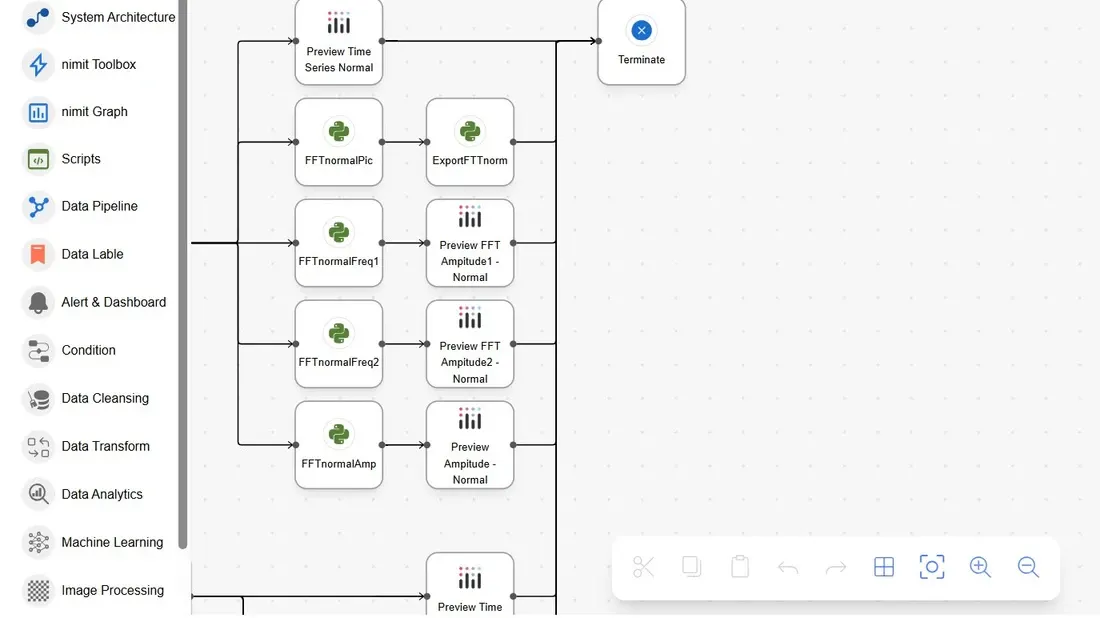
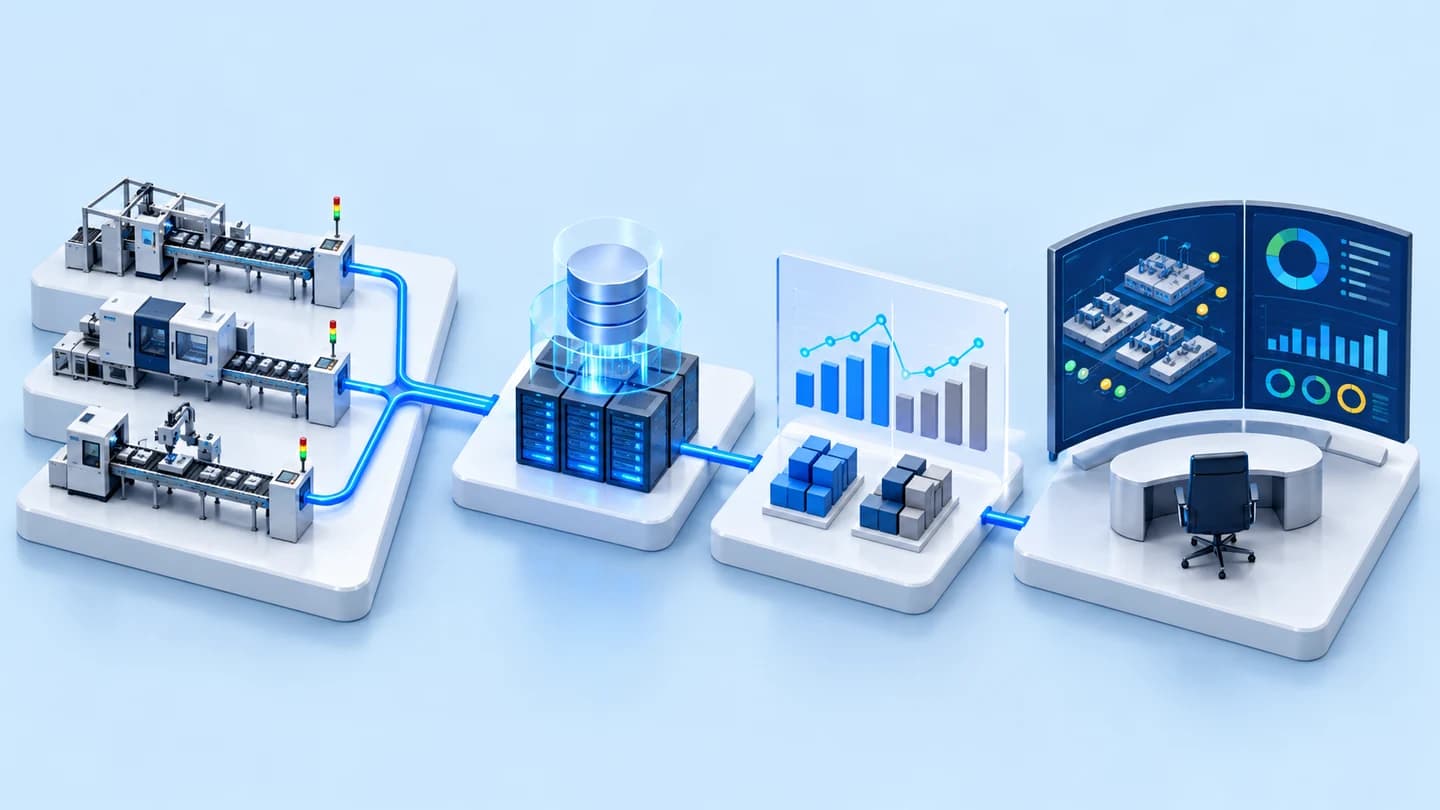
How does data move from existing systems to analysis?
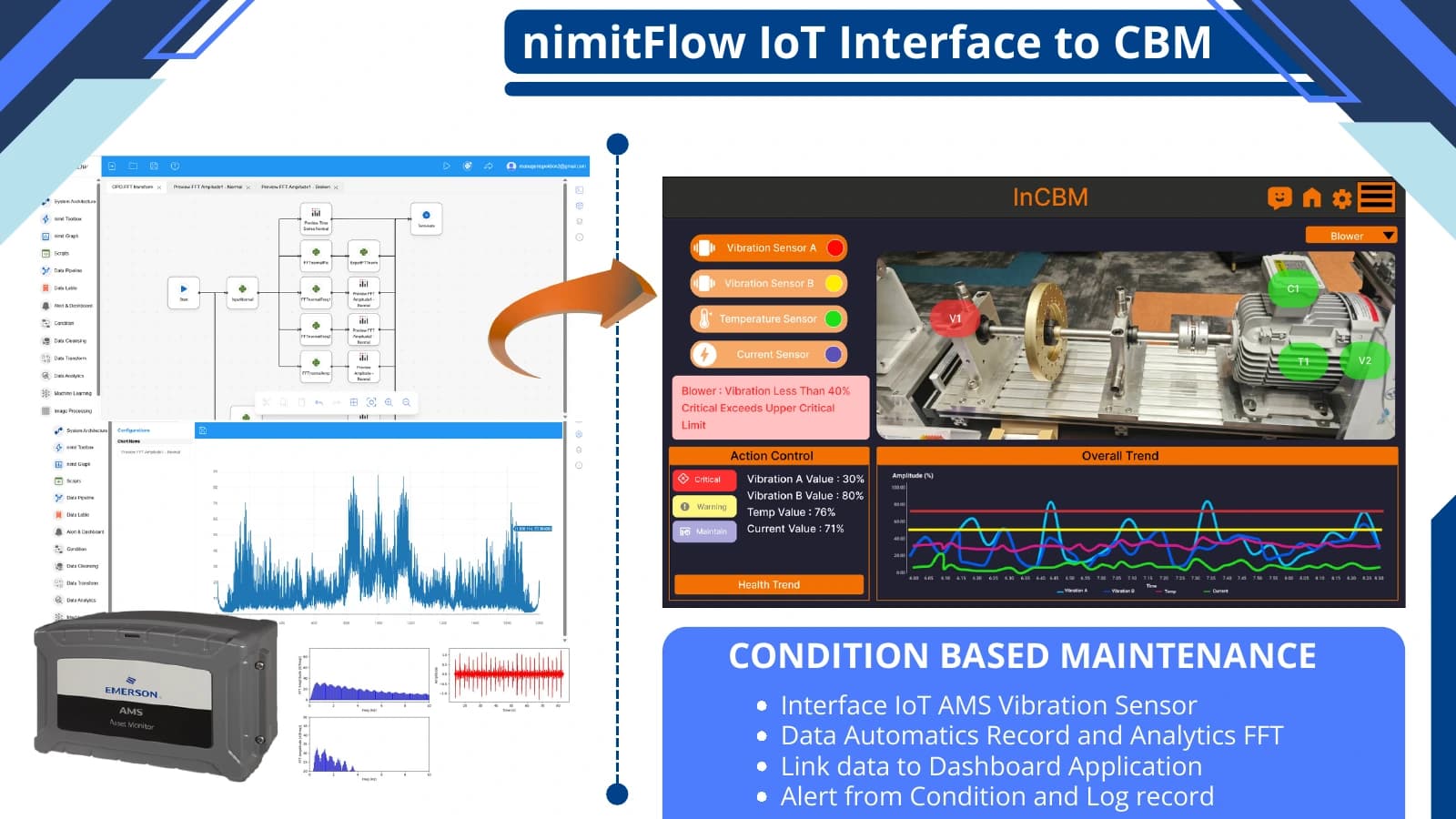
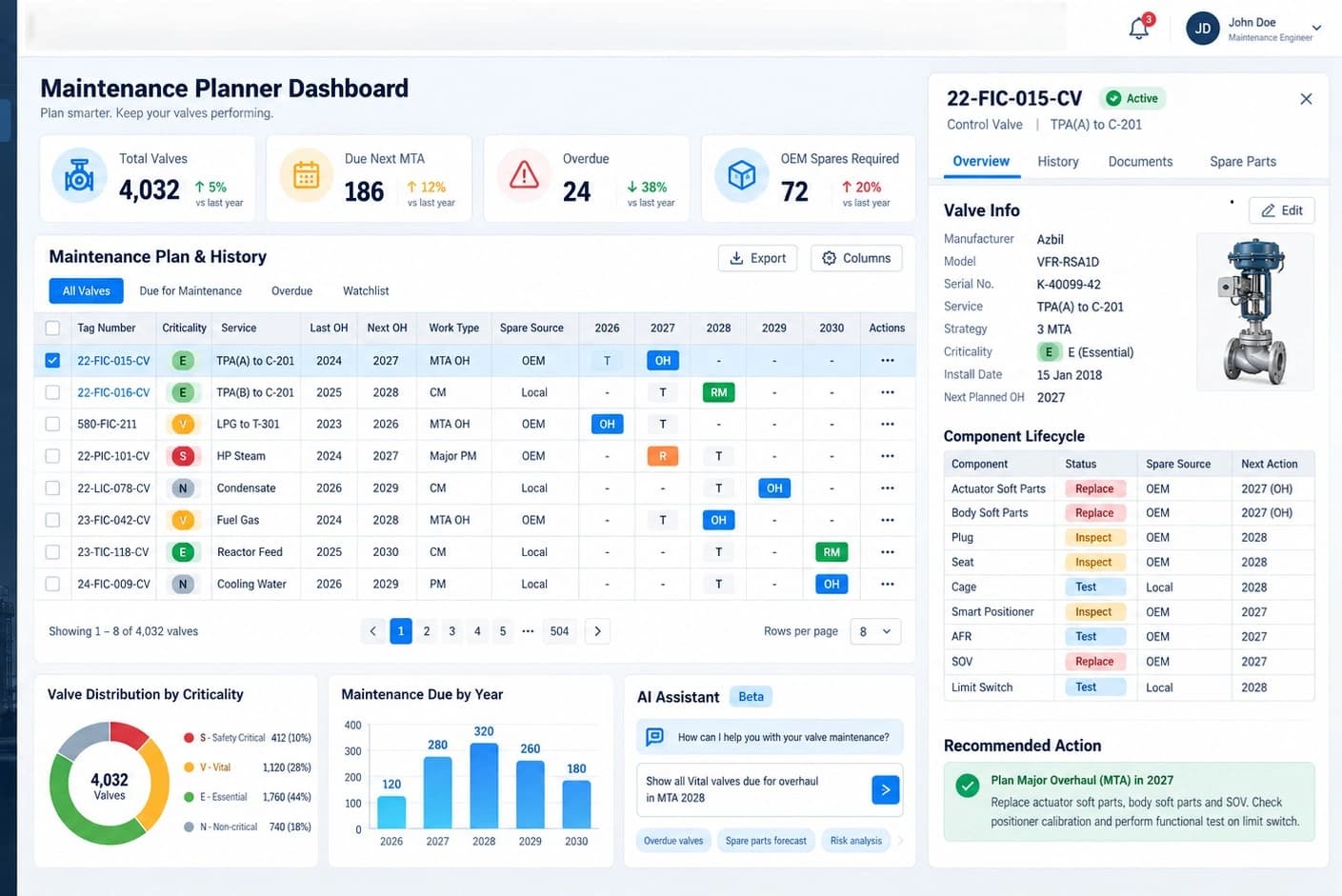
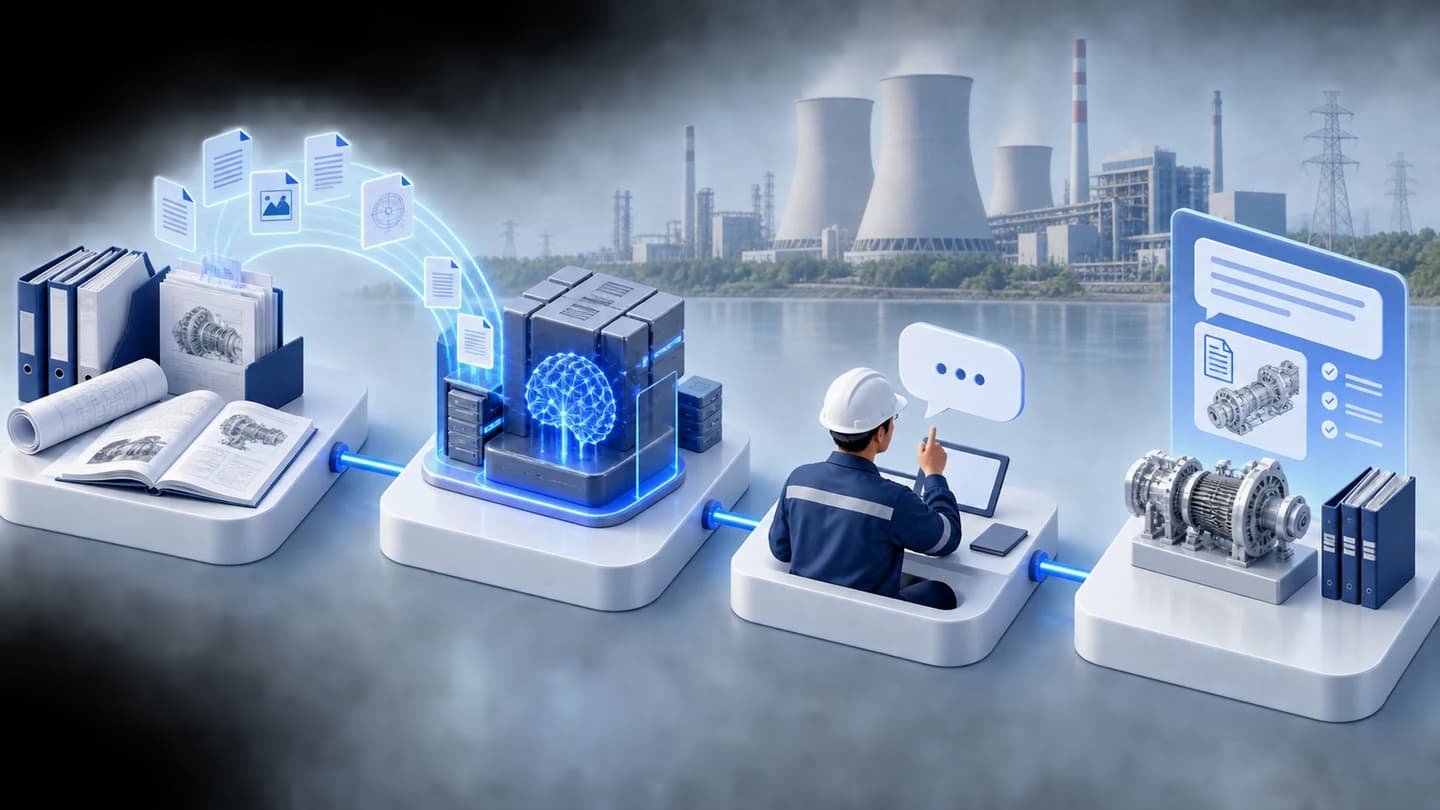
Data is ingested from existing sources, organised and passed to dashboards or models; the nimitFlow workflow screen shows these steps before analysis. We developed and delivered an AI valve-maintenance history search system on nimitFlow for an oil-refinery maintenance team in 2026. The assistant identifies relevant report Tag No. references so users can open the original reports for review. AI answers must be traceable to source documents, so your data system should link analytical results to verifiable source data.
What to prepare for an assessment
- Analysis requirements and the decisions they should inform
- Sample data, data sources and access requirements
Scope, schedule and pricing
Assessed from data readiness, the number of sources and analysis scope
Before work starts, our proposal sets out the schedule, inclusions, exclusions and costs. Additional work requires a joint scope assessment.
View deliverables ↓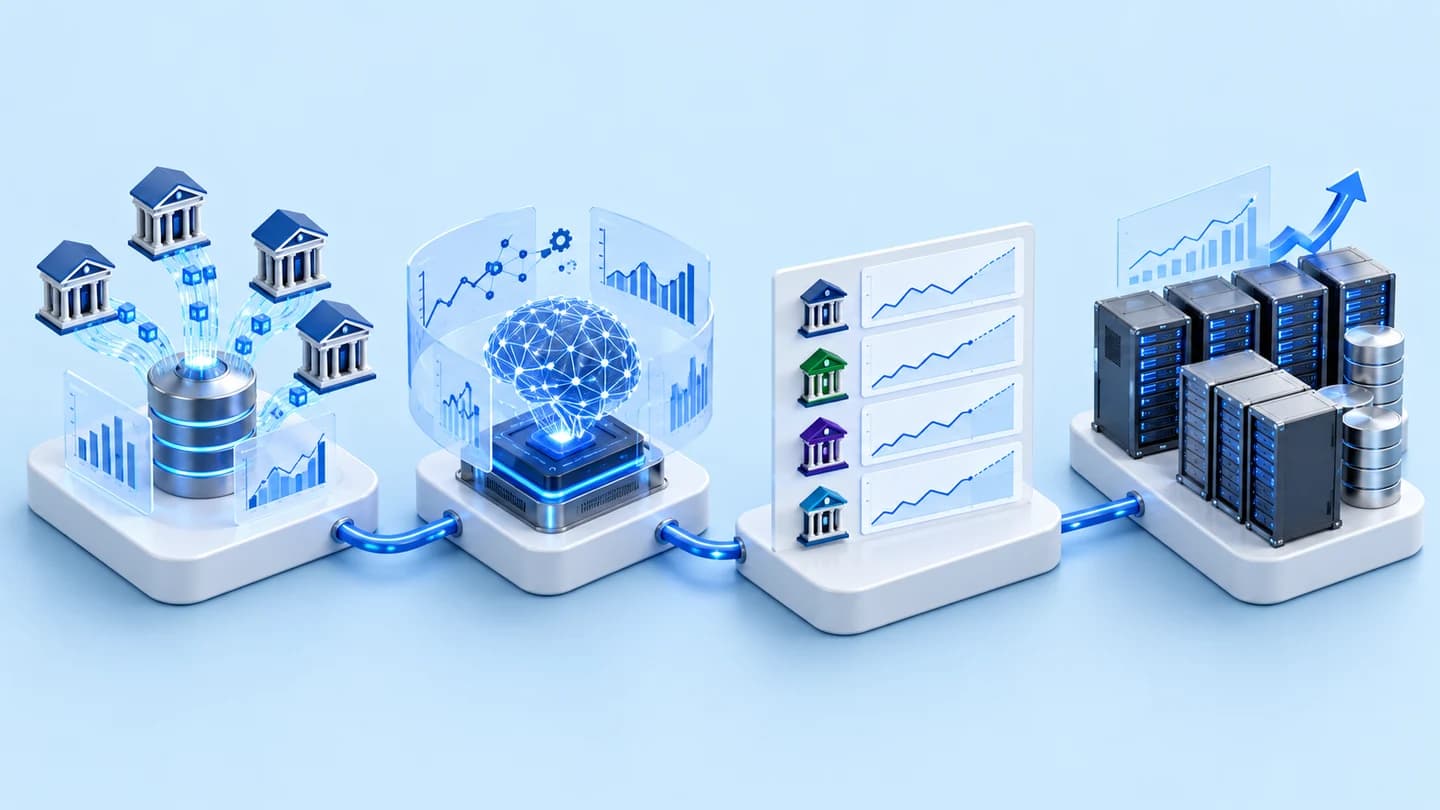
Technical capabilities we have developed
- Prepare and clean data (Data Preparation) before analysis
- Develop classification and regression models based on the actual data
- Analyse and forecast trends using statistics and Machine Learning
- OCR (reading text from images) for product labels and machine screens to capture data automatically
What you receive
- Organized, quality-checked data structure
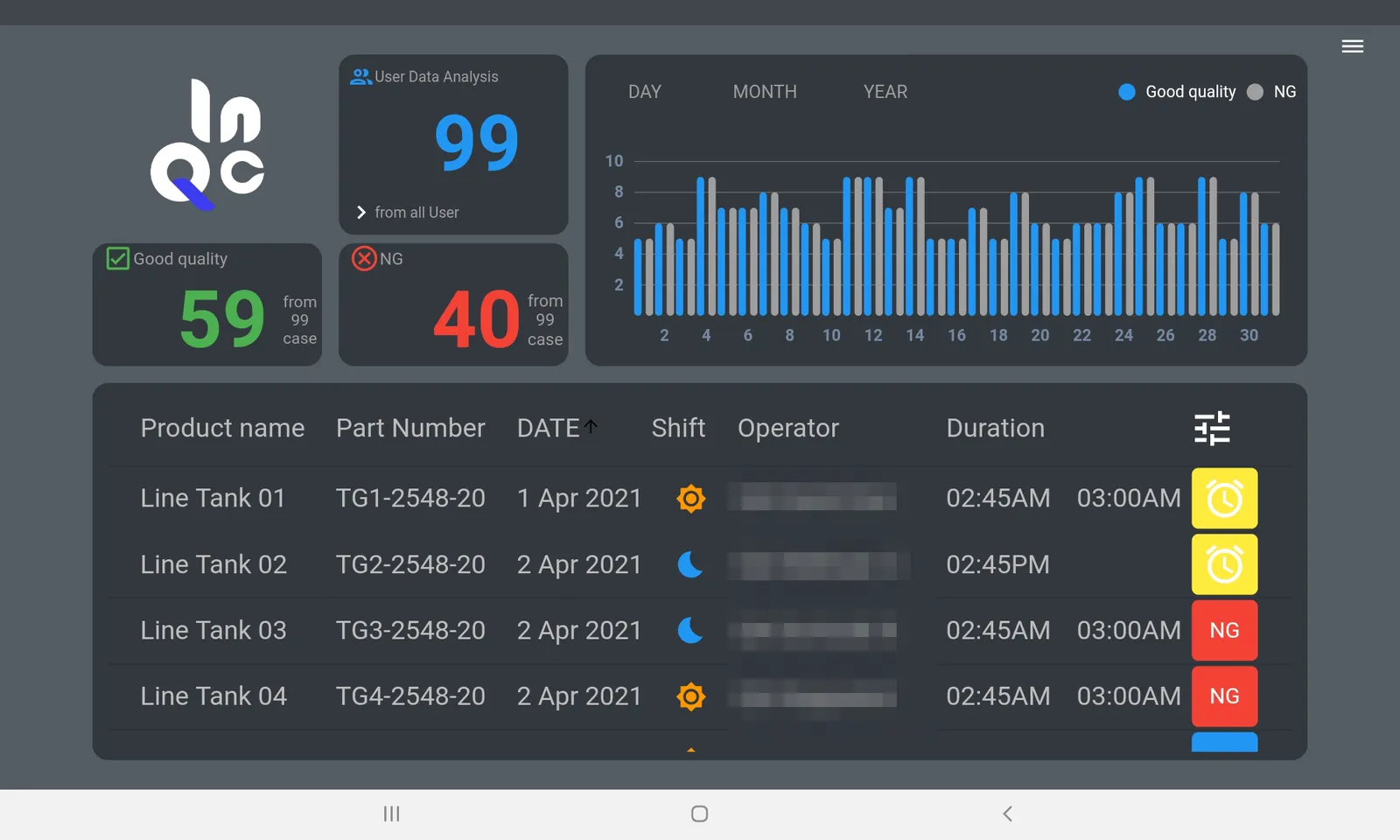
- KPI dashboards or summary web apps
- Analytical models, forecasting models or AI assistants for the task
- System design documentation and operating manuals
Suitable for: Organisations with data spread across files or systems, needing to open reports separately for KPIs, predict anomalies or search existing reports with AI.
Our process
Data assessment
Review data sources, sample files and access rights, then assess whether the data is sufficient for the task.
Organization
Connect sources, clean and structure the data, and check readings against source reports.
Analysis and model development
Develop dashboards, forecasting models or AI assistants and test them with historical data.
Handover
Hand over systems, design documentation and manuals in a form your team can continue using.
Frequently Asked Questions
What data and AI work has Inspektion delivered?
We developed a Machine Learning system to forecast payment-transaction response-time anomalies 5 and 10 minutes ahead for a Thai financial-sector organisation, completing project closure documentation in 2022. We also moved a production-data website receiving data from 11 lines to a central server for an automotive-parts manufacturer in Thailand, handing it over in May 2023. For forecasting, we tested historical data (Back-test) and live operation (Real-time), recording the results in the closure documents. Your model should likewise be tested on your organisation's historical data before informing decisions.
How ready must the data be before starting?
It does not need to be perfect. First gather samples from existing sources; we assess readiness before setting scope. If there is insufficient data for a model, model development is not yet suitable. We will tell you directly and suggest starting with data collection.
Do we need our own data team first?
No. We can handle data organisation through dashboard handover. If you want your team to continue building data workflows, in 2025 we provided full nimitFlow licences with consultancy to 2 private-sector customers, helping their teams start building their own data-management flows.
Can the dashboard work with our existing systems?
Where suitable. Previous work includes web apps reading existing Excel reports and displaying KPIs on customers' Google Cloud, and production-data websites migrated to factory VMware servers. We assess integration against your actual systems first.