





INSPEKTION SERVICES
Machine Vision
Part inspection using cameras and image processing
Machine Vision designs camera systems for defect detection, dimensional measurement, text reading and part counting on production lines. We develop the lighting, lenses and part fixtures through to the software and AI models ourselves.
Discuss your Machine Vision needs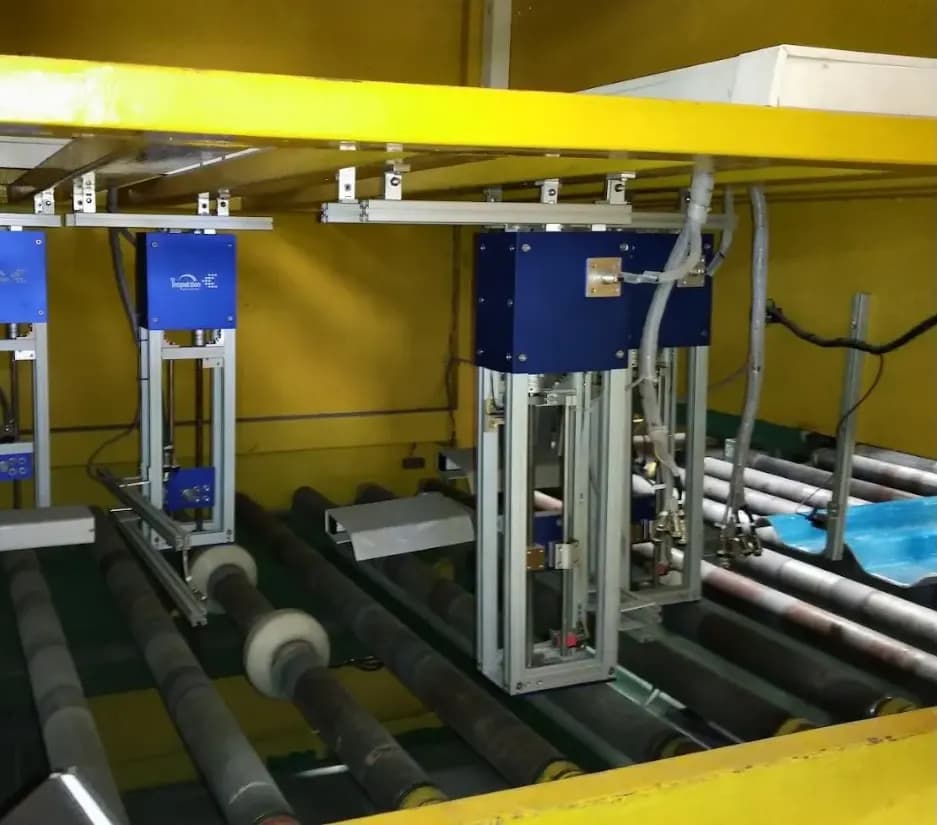
Work we can support
Inspect surface defects, shape and component completeness
Read text and labels using OCR and count parts from images
Suitable project needs
- Visual surface inspection produces different results depending on the inspector
- Part dimensions or shapes need image-based measurement and quality-control reports
- Labels must be read or conveyor parts counted without manual entry or counting
Scope and deliverables agreed together
- Camera, lighting, inspection position and machine interface design
- Part test results and limitations of inspection conditions
- Inspection software, reports and operating manuals within scope
Work packages and engagement options in this category
Explore the design, development, installation and maintenance work you need, with scope tailored to your project.
Machine Vision
Install AI and IoT system for factory
Scope of Work document specifying installation points, equipment and exclusions
View work package details Install AI and IoT system for factoryMachine Vision
Custom software and system development
Scope of Work and requirements list
View work package details Custom software and system developmentRelated project examples
Building-materials factory
Camera-based roof-tile crack inspection on 2 production lines
Year 2016–2017
View project details Camera-based roof-tile crack inspection on 2 production linesMetal can manufacturers in Thailand
Can-seam inspection using cameras and digital gauges
Year 2016–2017
View project details Can-seam inspection using cameras and digital gaugesPlastic bottle-cap manufacturer
AI Camera Detects and Counts Plastic Bottle Caps on Conveyor Belt
Year 2025–2026In progress
View project details AI Camera Detects and Counts Plastic Bottle Caps on Conveyor BeltAutomotive parts manufacturer in Thailand
AI camera checking component completeness in kitting trays
Year 2025Prototype
View project details AI camera checking component completeness in kitting trays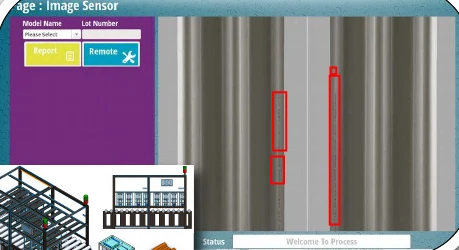
How we approach the work
- 01
Test image capture
Test parts with cameras, lenses and lighting to reveal the details that need inspection.
- 02
Develop and evaluate
Develop an inspection method or model and compare results against the agreed test set.
- 03
Integrate on site
Integrate inspection results into the workflow, test and train users before handover.
Information to prepare for our discussion
- Samples of acceptable parts and parts to reject
- Inspection criteria, line speed and installation position
- Systems receiving inspection results and procedures for abnormal parts
Technologies that can work together
Start with your actual project needs
Tell us about the problem, your current systems and what you want to improve. We help define the service areas, trial scope and information needed before work begins.